Shivraj Singh Chouhan calls for faster jute mechanization
Synopsis
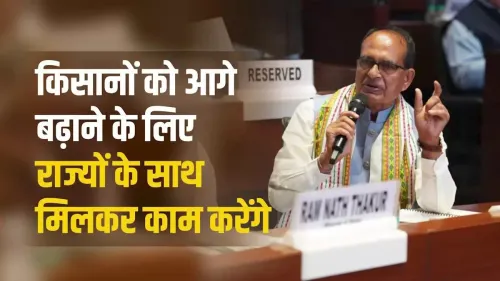
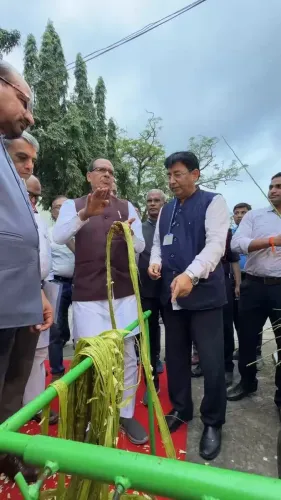
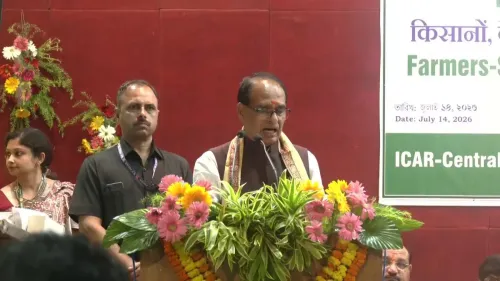
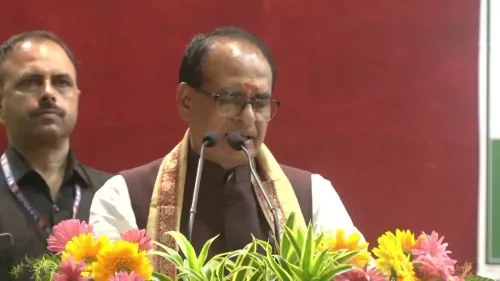
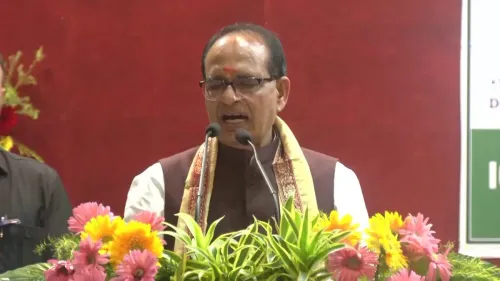
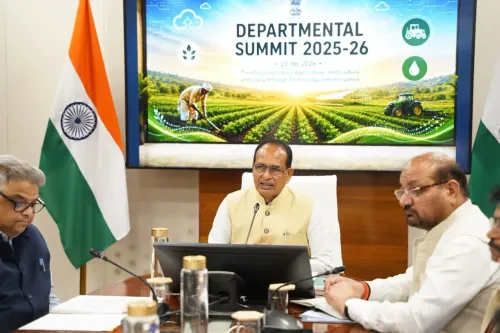
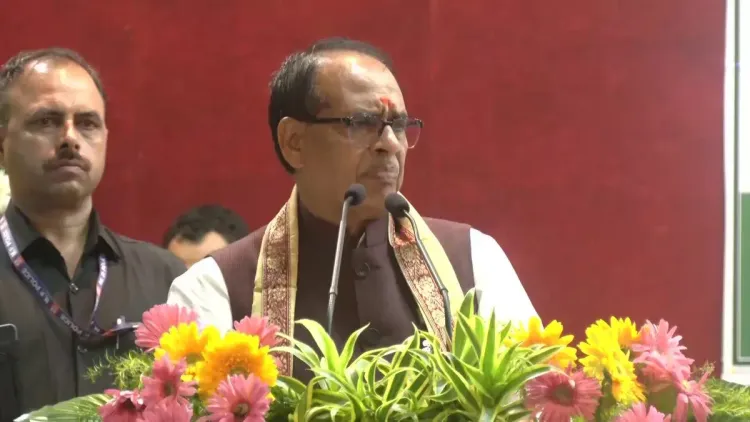
Union Agriculture Minister Shivraj Singh Chouhan on 14 July 2026 called for rapid mechanization of jute cultivation to improve productivity and fibre quality, signalling a renewed policy push for technology adoption in India's jute-growing eastern states.
Key Takeaways
Union Agriculture Minister Shivraj Singh Chouhan on 14 July 2026 publicly called for faster mechanization of jute cultivation to improve productivity and quality.
West Bengal accounts for the bulk of India's jute output; the crop faces stiff competition from synthetic fibres and suffers from low mechanization in harvesting and retting.
The Jute Technology Mission (2006) and the Sub-Mission on Agricultural Mechanization (2014-15) form the existing policy backbone for jute modernization.
Primary beneficiaries include jute farmers in West Bengal, Bihar, Assam, and Odisha and workers in India's jute mill sector.
Policy watchers anticipate possible announcement of mechanization pilots or revised subsidy norms for jute-growing districts in the upcoming agricultural season review.
Union Agriculture Minister Shivraj Singh Chouhan on Tuesday, 14 July 2026 called for rapid mechanization of jute cultivation to improve productivity and quality, underscoring the crop's strategic importance in India's natural fibre economy. The minister posted the remark on X, signalling a renewed policy push toward technology adoption in jute-growing regions.
In his post, Chouhan stated: 'Jute ki behtar utpadakta aur quality ke liye hamko mechanization ki taraf tezi se badhna padega' — 'For better productivity and quality of jute, we will have to move rapidly towards mechanization.' The statement, though brief, carries significant weight coming from the minister who oversees both agriculture and rural development policy at the Union level.
Context
Jute remains one of India's most strategically significant natural fibres, with West Bengal accounting for the bulk of national output and hosting the majority of the country's jute mills. Despite its importance, the sector has long struggled with low mechanization levels, particularly in harvesting and retting — the water-soaking process that separates fibre from the plant — both of which remain heavily labour-intensive. Rising labour costs and rural outmigration have intensified pressure on jute farmers to find technology-driven alternatives.
Jute also faces growing competition from synthetic substitutes, making quality improvement through better processing technology a matter of economic survival for farmers and mill workers alike. Chouhan's call directly addresses this vulnerability.
Policy Backdrop
The Jute Technology Mission, launched in 2006, was the first dedicated central initiative to upgrade jute cultivation, processing technology, and market competitiveness in eastern India. It was followed by the Sub-Mission on Agricultural Mechanization, introduced in 2014-15, which extended subsidy support and institutional backing for farm machinery adoption across multiple crops, including fibre crops such as jute. The National Food Security Mission incorporated jute-specific components from 2007 onward to raise productivity in eastern and north-eastern states.
Successive governments have thus built a layered policy architecture around jute mechanization, but ground-level adoption has remained uneven. Chouhan's statement suggests the current administration intends to accelerate implementation rather than introduce entirely new frameworks.
Stakeholders and Impact
The primary beneficiaries of any mechanization push would be jute farmers concentrated in West Bengal and adjoining districts of Bihar, Assam, and Odisha, who currently bear the physical and financial burden of manual harvesting and retting. Mechanized retting and fibre-extraction equipment can reduce post-harvest losses and improve fibre grade, directly translating into better prices at the mandi.
Jute mill workers stand to benefit from a more consistent supply of higher-grade raw fibre, which improves mill efficiency and product quality for both domestic use and export markets. India is among the world's largest producers and exporters of jute goods, and quality upgrades could strengthen its competitive position.
What's Next
Policy watchers will look for concrete follow-through in the form of targeted mechanization pilots or revised subsidy norms for jute-growing districts, possibly announced during the annual review of crop development programmes in the coming agricultural season. Chouhan's public statement on X is often a precursor to formal policy communication, and the Agriculture Ministry may be expected to outline specific timelines and allocations for jute mechanization under existing schemes. The broader signal is that the ministry views technology infusion — not just price support — as the path forward for India's jute economy.
Point of View
Yet adoption on the ground has lagged. By making the statement publicly on X, the minister is applying visible political pressure on the implementation machinery at a time when labour shortages and synthetic-fibre competition are squeezing jute farmers. The emphasis on quality alongside productivity is notable: it suggests the ministry is looking beyond yield targets toward value-chain competitiveness, which would align jute policy more closely with export strategy. Whether this translates into new budgetary commitments or merely an acceleration of existing scheme delivery will be the real test of intent.
NationPress
13 Oct 2026
Frequently Asked Questions
Why is Shivraj Singh Chouhan talking about jute mechanization?
Union Agriculture Minister Shivraj Singh Chouhan called for faster jute mechanization on 14 July 2026 to address low productivity and poor fibre quality caused by heavily manual harvesting and retting processes, which are increasingly uncompetitive amid rising labour costs and synthetic-fibre competition.
Which states grow most of India's jute?
West Bengal is India's dominant jute-producing state, accounting for the majority of national output. Bihar, Assam, and Odisha also contribute significantly to jute cultivation.
What is the Jute Technology Mission?
The Jute Technology Mission is a central government initiative launched in 2006 to upgrade jute cultivation, improve processing technology, and enhance the market competitiveness of Indian jute in both domestic and export markets.
What is the Sub-Mission on Agricultural Mechanization?
The Sub-Mission on Agricultural Mechanization, introduced in 2014-15, is a central scheme that provides subsidies and institutional support for the adoption of farm machinery across multiple crops, including fibre crops like jute, to raise productivity and reduce labour intensity.
How does jute mechanization help farmers?
Mechanized harvesting and retting equipment reduces post-harvest losses, improves fibre grade, lowers dependence on scarce manual labour, and can result in better prices for jute farmers at the market.