Agri Minister Chouhan pushes modern tech for soybean kharif season
Synopsis
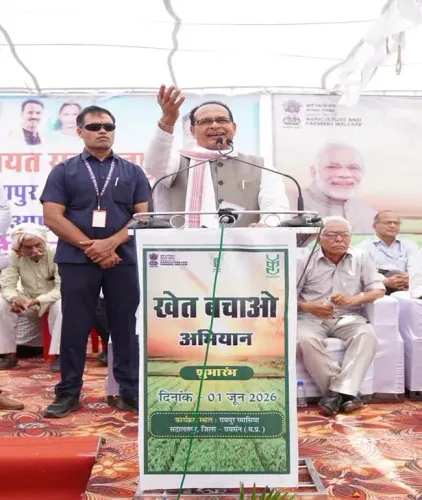
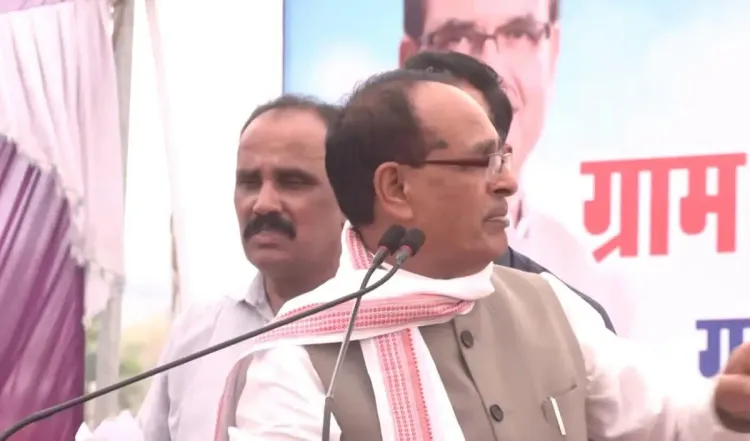
Union Agriculture Minister Shivraj Singh Chouhan invoked #KhetBachaoAbhiyan on 1 June 2026 to urge soybean farmers toward modern machinery, scientific sowing, and disease management ahead of kharif 2026, citing the risk of below-normal rainfall in a season critical for India's oilseed output.
Key Takeaways
Union Agriculture Minister Shivraj Singh Chouhan posted on 1 June 2026 calling for wider use of modern technology and machines in farming.
The minister specifically highlighted soybean sowing, disease prevention, and low-rainfall risk as areas requiring scientific methods.
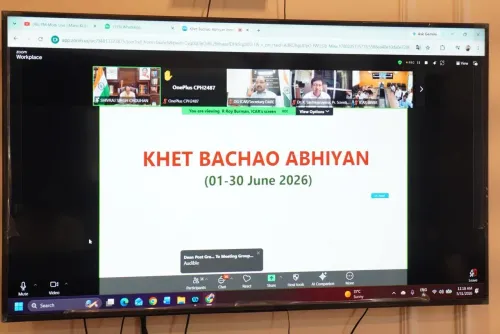
The post was tagged under #KhetBachaoAbhiyan , an agricultural improvement and farmer outreach campaign linked to the ministry.
The Sub-Mission on Agricultural Mechanization (2014) provides central subsidies for the farm equipment Chouhan is advocating.
Madhya Pradesh , where Chouhan was Chief Minister for four terms, is India's largest soybean-producing state and the primary target audience for such advisories.
State agriculture departments are expected to issue kharif 2026 advisories and subsidy schedules for seed drills and bio-pesticides in the coming weeks.
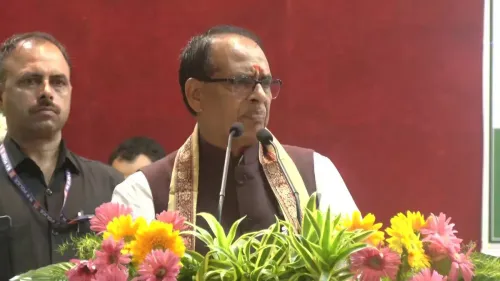
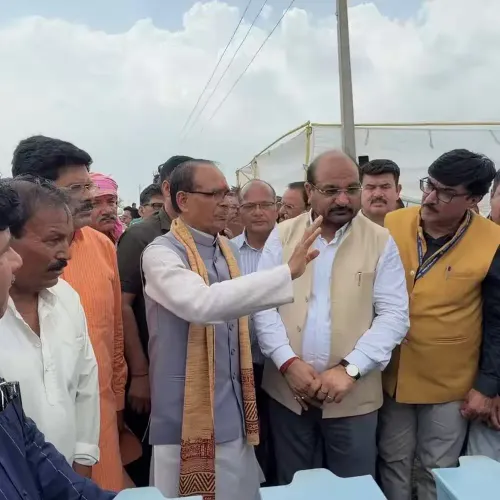
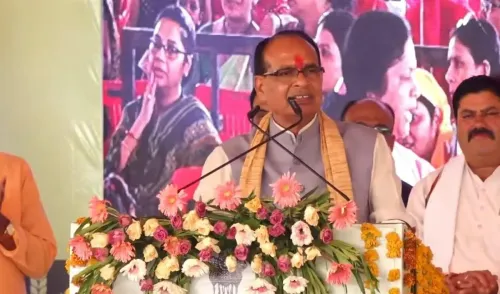
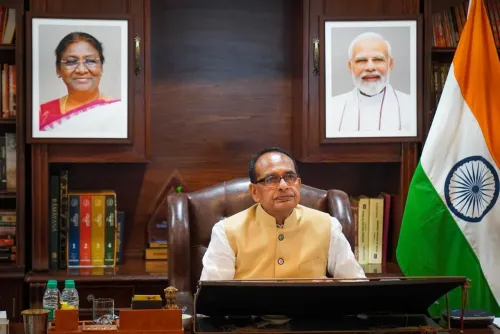
Union Agriculture Minister Shivraj Singh Chouhan on Monday, 1 June 2026 called for greater adoption of modern technology and farm machinery in Indian agriculture, specifically urging soybean farmers to follow scientific methods for sowing, disease prevention, and managing the risk of below-normal rainfall ahead of the kharif 2026 season.
Posting under the hashtag #KhetBachaoAbhiyan, the minister wrote in Hindi: 'Ab kheti mein aadhunik takneek aur mashinon ka upyog badhana hoga' — 'Modern technology and machines must now be used more widely in farming.' He added that scientific methods must be adopted keeping in mind correct soybean sowing, disease protection, and the possibility of low rainfall.
Context
Soybean is a critical kharif oilseed crop, and Madhya Pradesh — where Chouhan served four terms as Chief Minister — is India's single largest soybean-producing state. The crop is highly sensitive to dry spells during the sowing and pod-filling stages and is vulnerable to pest outbreaks, including the girdle beetle, making pre-season advisories especially significant.
Chouhan's post arrives as farmers in central India prepare for the June–July sowing window. Messaging of this kind from the Union Agriculture Ministry typically precedes formal state-level advisories on seed varieties, sowing geometry, and input subsidies.
Policy Backdrop
The call for mechanisation aligns with the Sub-Mission on Agricultural Mechanization (SMAM), a central scheme launched in 2014 that subsidises farm machinery and supports Custom Hiring Centres, making equipment such as seed drills and ridge-furrow planters accessible to small and marginal farmers who cannot afford individual ownership.
Broader policy support for scientific oilseed cultivation stretches back further: the National Mission on Sustainable Agriculture (2010) promoted climate-resilient practices and water-use efficiency for crops like soybean, while the National Food Security Mission expanded soybean development components from 2007 onward to raise productivity across central India.
Central government messaging has consistently stressed technology adoption and mechanisation to address stagnating oilseed yields in rainfed regions, where dependence on monsoon patterns makes scientific agronomy a first line of defence against crop loss.
Stakeholders and Impact
Small and marginal farmers in Madhya Pradesh, Maharashtra, and adjoining soybean-belt states stand to be most directly affected by the minister's advisory. Soybean acreage across these states has grown in recent years, but productivity gains have been uneven, partly due to erratic rainfall and inadequate mechanisation at the farm level.
The #KhetBachaoAbhiyan hashtag signals an organised campaign around agricultural improvement and farmer outreach, amplifying the ministry's reach through social media ahead of a season when timely guidance can materially influence sowing decisions and input choices.
What's Next
State agriculture departments are expected to issue detailed advisories and subsidy schedules for kharif 2026 inputs, including certified soybean seed, bio-pesticides, and mechanised planters, in the coming weeks. Parliament may also see questions on soybean Minimum Support Price (MSP) and import policy as the season approaches.
If the ministry follows through with on-ground outreach under #KhetBachaoAbhiyan, it could translate Chouhan's social-media push into district-level demonstrations of precision sowing equipment and integrated pest management — a test of how effectively the Centre's technology-adoption agenda reaches rainfed farming households before seeds go into the ground.
Point of View
A region that is both electorally significant for the BJP and economically fragile given its dependence on rainfed agriculture. By anchoring the message in a named campaign, #KhetBachaoAbhiyan, the ministry is building a social-media policy brand that can be tracked and amplified — a tactic Chouhan refined during his long tenure as Madhya Pradesh Chief Minister. The emphasis on mechanisation and scientific agronomy also fits a broader central government effort to shift the oilseed narrative from MSP dependence toward productivity-led income growth. Whether the messaging converts into measurable on-ground adoption before sowing begins will be the real test of the campaign's substance.
NationPress
16 Oct 2026
Frequently Asked Questions
What is KhetBachaoAbhiyan?
#KhetBachaoAbhiyan is a campaign promoted by Union Agriculture Minister Shivraj Singh Chouhan focused on agricultural improvement, modern farming practices, and farmer outreach, particularly ahead of kharif sowing seasons.
Why is soybean sowing a concern in Madhya Pradesh in 2026?
Soybean in Madhya Pradesh faces risks from erratic or below-normal monsoon rainfall during sowing and pod-filling stages, as well as pest threats like the girdle beetle, making pre-season scientific guidance critical for farmers.
What government scheme supports farm mechanisation in India?
The Sub-Mission on Agricultural Mechanization (SMAM), launched in 2014, provides subsidies for farm machinery and funds Custom Hiring Centres so that small and marginal farmers can access equipment like seed drills and planters.
What did Shivraj Singh Chouhan say about soybean farming?
Chouhan called for increased use of modern technology and machines in farming and said scientific methods must be adopted for correct soybean sowing, disease prevention, and managing the possibility of low rainfall.
How does the Centre plan to improve oilseed productivity in India?
Through schemes like the Sub-Mission on Agricultural Mechanization and the National Mission on Sustainable Agriculture, the Centre promotes mechanised sowing, climate-resilient practices, and integrated pest management to raise oilseed yields in rainfed regions.