Shivraj Singh Chouhan Backs Bed Planting to Save Soybean Crops
Synopsis
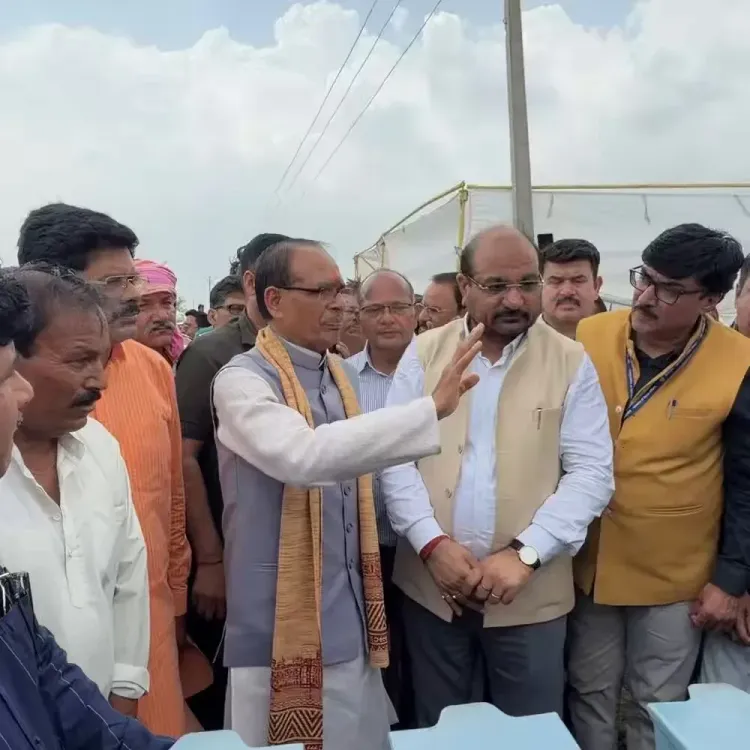
Union Agriculture Minister Shivraj Singh Chouhan has advocated bed-planting as a low-cost fix for soybean waterlogging ahead of kharif 2026 sowing. The technique drains excess rainwater through furrows, protects roots, and can improve yields for rainfed farmers in central India.
Key Takeaways
Shivraj Singh Chouhan posted on 15 June 2026 urging soybean farmers to adopt bed-planting before the kharif sowing season.
Excess monsoon rain causes waterlogging that leads to soybean rotting and drying — a recurring risk for rainfed cultivators.
Bed planting keeps crops on raised strips while excess water drains through furrows, improving root aeration and reducing damage.
Madhya Pradesh is India's largest soybean-producing state and the primary target audience for the advisory.
The National Mission for Sustainable Agriculture (2014) already promotes raised-bed and drainage techniques for oilseeds and pulses.
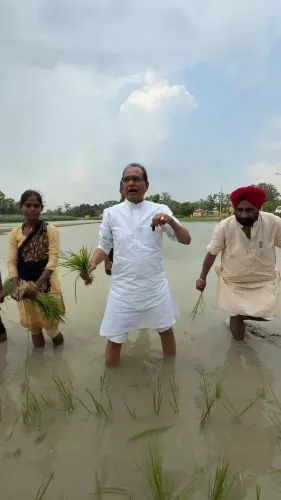
The post included a video, lowering the adoption barrier for farmers with limited literacy or connectivity.
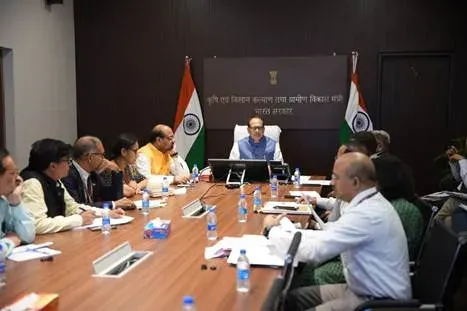
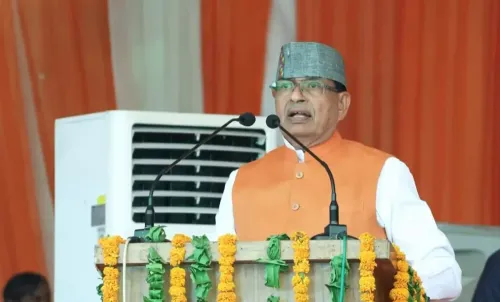
Union Agriculture Minister Shivraj Singh Chouhan on Monday, 15 June 2026, used his official X account to advocate bed-planting as a practical solution for soybean farmers facing waterlogging during heavy monsoon rains, urging cultivators to adopt the technique ahead of the kharif 2026 sowing window.
Context
In his post, Chouhan warned that excessive rainfall frequently causes standing water in fields, raising the risk of soybean rotting and drying out — a recurring crisis for rainfed farmers across central India. He wrote: 'Bed par boi gayi soyabean ki fasal surakshit rehti hai aur atirikt paani naliyon mein nikal jata hai' ('Soybean sown on beds stays protected and excess water drains away through channels'). The post, which carried an accompanying video, was timed to reach farmers just as the kharif sowing season approaches.
The message is directed squarely at rainfed cultivators in states such as Madhya Pradesh and Maharashtra, where soybean is the dominant kharif oilseed crop and erratic monsoon behaviour can wipe out significant portions of a season's harvest.
Policy Backdrop
Bed planting — also called raised-bed or furrow-irrigated raised-bed farming — involves sowing crops on raised strips of soil with furrows or channels running between them, allowing surplus water to drain away while keeping root zones aerated. The technique is low-cost and does not require specialised machinery beyond a bed-former attachment on a standard tractor.
The National Mission for Sustainable Agriculture, launched in 2014, has promoted climate-resilient agronomic practices including drainage management and raised-bed techniques for oilseeds and pulses. Madhya Pradesh, where Chouhan served four terms as Chief Minister and prioritised agricultural infrastructure, is India's single largest soybean-producing state. Central Indian states have steadily expanded soybean cultivation over the past two decades, making drainage solutions increasingly critical for yield stability.
Chouhan explicitly noted three benefits of the bed method: reduced crop damage, adequate aeration for roots, and improved prospects for better production — framing the technique as both a risk-management and productivity tool.
Stakeholders and Impact
Soybean farmers in Madhya Pradesh, Maharashtra, and Rajasthan — the three states that together account for the bulk of India's soybean area — stand to benefit most directly from wider adoption of bed planting. Rainfed cultivators, who have no irrigation buffer against excess or deficit rainfall, are particularly vulnerable to waterlogging losses during peak monsoon months of July and August.
Agricultural extension services, Krishi Vigyan Kendras (KVKs), and state agriculture departments are the key intermediaries through which such ministerial advisories are typically converted into on-ground demonstrations and training. A video attached to the post adds a practical, visual dimension intended to lower the adoption barrier for farmers with limited literacy or internet bandwidth.
What's Next
Observers will watch whether Madhya Pradesh and Maharashtra's agriculture departments incorporate bed-planting demonstrations into their kharif 2026 extension programmes and KVK schedules. With the southwest monsoon's arrival imminent, the advisory window for pre-sowing land preparation is narrow. If the technique gains traction, it could feature in broader oilseed productivity drives under central schemes aimed at reducing India's dependence on edible-oil imports — a long-standing policy priority for the Union Ministry of Agriculture.
Point of View
The post positions the ministry as a practical problem-solver rather than a policy announcer. The timing, days before peak kharif land-preparation begins, suggests coordinated communication ahead of the monsoon season. Broader oilseed self-sufficiency goals give the advisory a policy weight beyond its conversational format.
NationPress
13 Sept 2026
Frequently Asked Questions
What is bed planting for soybean and how does it help?
Bed planting involves sowing soybean on raised strips of soil with drainage channels between them. Excess rainwater flows away through the furrows, protecting roots from waterlogging, improving aeration, and reducing the risk of crop rotting or drying — all of which can improve final yield.
Why did Shivraj Singh Chouhan post about soybean farming in June 2026?
June marks the start of kharif sowing preparation in central India. Chouhan posted the advisory to reach farmers before they sow, giving them time to prepare raised beds and adopt the drainage technique ahead of peak monsoon rains.
Which states grow the most soybean in India?
Madhya Pradesh , Maharashtra , and Rajasthan together account for the bulk of India's soybean cultivation. These states grow the crop primarily under rainfed conditions during the kharif season, making them most vulnerable to monsoon-related waterlogging.
Is bed planting supported by any government scheme?
The National Mission for Sustainable Agriculture , launched in 2014 , promotes climate-resilient practices including raised-bed techniques and drainage management for oilseeds and pulses, providing a policy framework supportive of the approach.
How can farmers learn to implement bed planting?
Farmers can access guidance through Krishi Vigyan Kendras (KVKs), state agriculture department extension workers, and official social-media channels. The video shared by Chouhan alongside his post offers a visual demonstration intended to make adoption easier.