Pralhad Joshi secures MSP procurement for Karnataka Kharif crops

Synopsis
The Centre has approved Price Support Scheme procurement of 13,413 MT of sunflower, 38,250 MT of moong, and 1,15,500 MT of soybean from Karnataka at MSP for Kharif 2026-27, following a joint request by Union Minister Pralhad Joshi and the Karnataka state government to Agriculture Minister Shivraj Singh Chouhan.
Key Takeaways
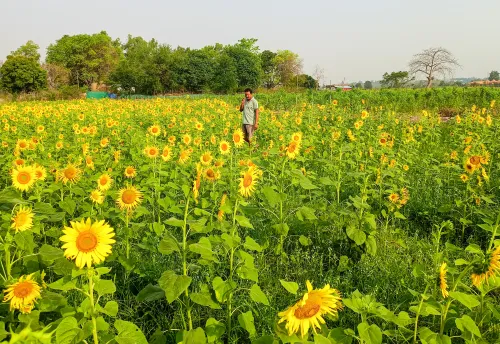
13,413 metric tonnes of sunflower approved for MSP procurement from Karnataka under PSS for Kharif 2026-27.
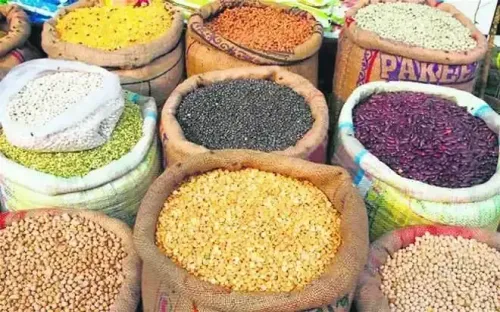
38,250 metric tonnes of moong (green gram) approved for MSP-based purchase from Karnataka.
1,15,500 metric tonnes of soybean — the largest single-crop allocation — cleared for central procurement.
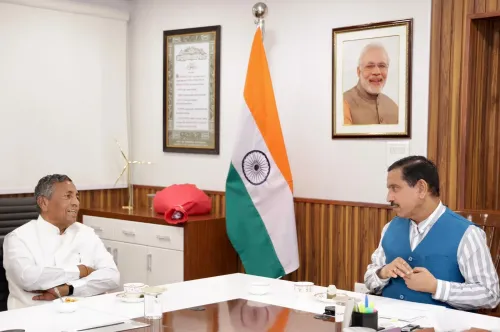
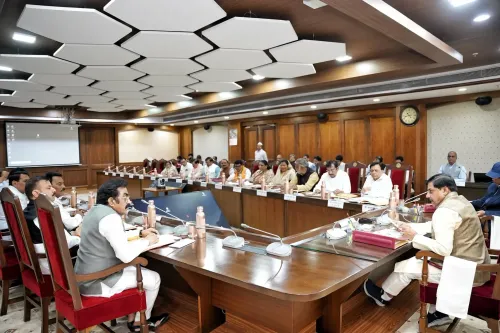
Approval came in response to a joint petition from Union Minister Pralhad Joshi and the Karnataka state government to Agriculture Minister Shivraj Singh Chouhan .
The Price Support Scheme has been operational since the 1970s to shield pulse and oilseed farmers from below-MSP market crashes.
Agencies such as NAFED are expected to execute ground-level procurement operations during the 2026-27 kharif season.
When market prices slip below the minimum support price, Karnataka's oilseed and pulse farmers have nowhere to turn — unless the Centre steps in. That safety net just got activated. Union Consumer Affairs Minister Pralhad Joshi announced on Tuesday, 29 September 2026 that the central government has approved procurement of three major Kharif 2026-27 crops from Karnataka under the Price Support Scheme (PSS), responding to requests he and the state government had placed before Union Agriculture Minister Shivraj Singh Chouhan.
What the Centre has approved — and in what quantities
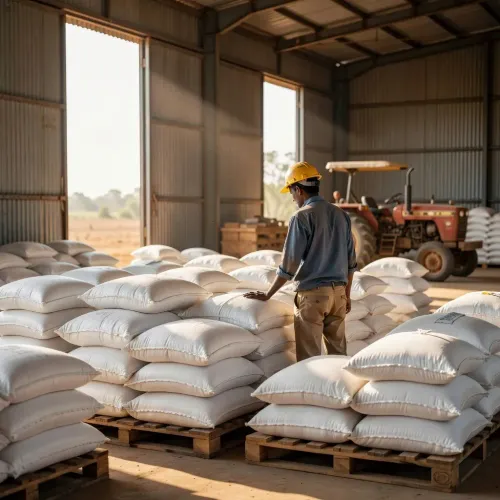
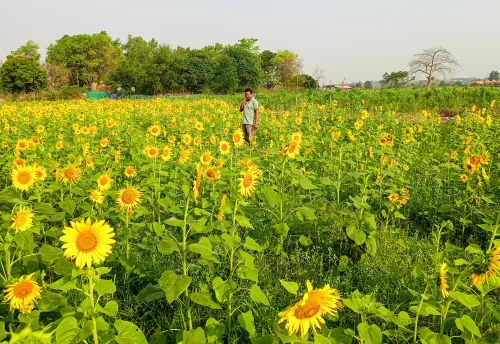
The approval covers three crops grown widely across Karnataka's farming districts. Under the PSS, designated central agencies will procure 13,413 metric tonnes of sunflower, 38,250 metric tonnes of moong (green gram), and 1,15,500 metric tonnes of soybean directly from farmers at the notified minimum support price (MSP). The soybean allocation alone — at over one lakh metric tonnes — signals the scale of the intervention being mounted for the state's oilseed belt.
Writing in Kannada, Joshi described the decision as 'ರೈತಪರ ನಿರ್ಧಾರ' — a 'farmer-friendly decision' — and thanked both Prime Minister Narendra Modi and Agriculture Minister Chouhan on behalf of Karnataka's farming community for responding 'immediately' to the proposal.
How the Price Support Scheme works — and why it matters now
The Price Support Scheme is one of the Centre's oldest market-intervention tools, in operation since the 1970s. It kicks in specifically for pulses and oilseeds when prevailing market rates fall below the government-declared MSP, protecting growers from distress sales. Agencies such as NAFED typically execute the ground-level procurement operations once the Centre clears a state's request.
Karnataka has received similar PSS approvals in past kharif seasons for soybean and pulses — the pattern is part of the annual cycle of MSP-linked purchases. But each season's approval is state-specific and quantity-specific, which means a fresh request and a fresh sign-off are required. Joshi's post makes clear that both he and the Karnataka state government had jointly petitioned Chouhan, and that the clearance came swiftly.
Joshi's role as Karnataka's voice in Delhi
As a senior BJP leader from Karnataka holding a central cabinet portfolio, Joshi has positioned himself as the bridge between the state's agrarian interests and New Delhi's policy machinery. His public acknowledgement of the joint state-Centre petition — and his explicit thanks to Modi and Chouhan — underlines the political as much as the administrative significance of the approval. For farmers in Karnataka's soybean-growing districts of Kalaburagi, Vijayapura, and Belagavi, and for sunflower growers in the northern dry-land belt, the announcement translates into a guaranteed buyer at a floor price when the open market fails them.
Procurement operations under the Kharif 2026-27 season will be the next thing to watch — whether designated agencies mobilise quickly enough to absorb the approved volumes before farmers are forced into distress sales on the open market.
Point of View
A state where it has faced electoral headwinds. The scale of the soybean allocation, at over one lakh metric tonnes, also suggests the Centre is anticipating significant price stress in Karnataka's northern districts. The real test will be procurement efficiency: approvals on paper have historically outpaced actual offtake on the ground.
NationPress
29 Sept 2026
Frequently Asked Questions
What is the Price Support Scheme (PSS) for farmers?
The Price Support Scheme is a central government programme, operational since the 1970s, under which designated agencies procure pulses and oilseeds directly from farmers at the notified MSP when open-market prices fall below that floor, preventing distress sales.
Which crops will be procured from Karnataka under PSS in Kharif 2026-27?
The Centre has approved procurement of sunflower (13,413 MT), moong or green gram (38,250 MT), and soybean (1,15,500 MT) from Karnataka at MSP under the Price Support Scheme for the Kharif 2026-27 season.
Who approved the PSS procurement for Karnataka?
Union Agriculture and Farmers Welfare Minister Shivraj Singh Chouhan granted the approval, responding to a joint request from Union Consumer Affairs Minister Pralhad Joshi and the Karnataka state government.
Which agency carries out PSS procurement on the ground?
NAFED (National Agricultural Cooperative Marketing Federation of India) is among the central agencies typically designated to execute ground-level MSP procurement operations under the Price Support Scheme.
How does MSP procurement protect Karnataka's farmers?
When market prices for oilseeds and pulses drop below the government-declared minimum support price, farmers risk heavy losses. MSP procurement guarantees a buyer at the floor price, ensuring growers receive a fair and remunerative return for their produce.