Centre Clears MSP Procurement of 3 Crops from Karnataka

Synopsis
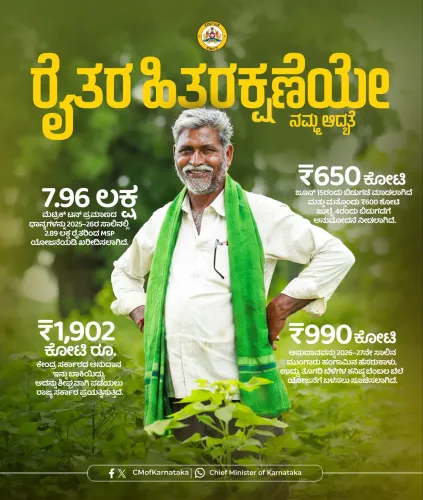
The Centre has approved procurement of 13,413 MT of sunflower, 38,250 MT of moong and 1,15,500 MT of soybean from Karnataka under the Price Support Scheme at MSP for Kharif 2026-27, following a request by Union Minister Pralhad Joshi and the state government.
Key Takeaways
The Centre approved PSS procurement of three major Kharif crops from Karnataka for the 2026-27 season .
13,413 metric tonnes of sunflower , 38,250 MT of moong , and 1,15,500 MT of soybean will be purchased at Minimum Support Price.
Approval was granted by Agriculture Minister Shivraj Singh Chouhan following a personal appeal by Pralhad Joshi and the Karnataka state government.
Procurement will be carried out under the Price Support Scheme (PSS) , which activates when open-market prices fall below MSP.
The move protects farmers in Karnataka's dryland oilseed and pulse belts from post-harvest price crashes.
Actual farmer benefit depends on timely agency mobilisation, farmer registration, and prompt MSP payments.
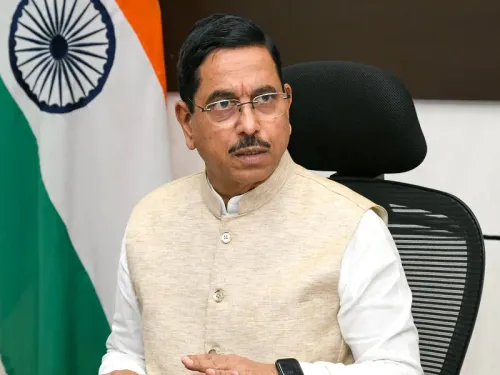
Karnataka's sunflower, moong, and soybean farmers just got a firm price floor for the 2026-27 Kharif season — and it came through a direct intervention by Union Consumer Affairs Minister Pralhad Joshi, who personally took up the state's case with the Centre. The approval, granted under the Price Support Scheme (PSS), guarantees that farmers will not be left at the mercy of crashing market prices when they bring their harvest to the mandis.
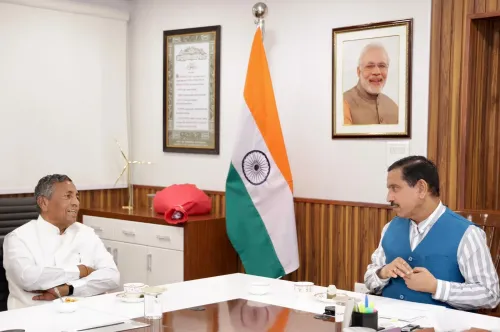
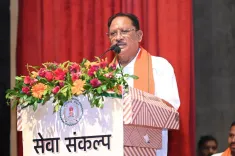
Posting in Kannada on Tuesday, 29 September 2026, Minister Joshi announced that Union Agriculture Minister Shivraj Singh Chouhan responded swiftly to both his personal request and the state government's formal appeal, granting procurement approval at Minimum Support Price. Joshi extended his gratitude to Prime Minister Narendra Modi and Chouhan on behalf of Karnataka's farming community, calling it a major pro-farmer decision by the central government.
Three crops, three guarantees: the numbers behind the approval
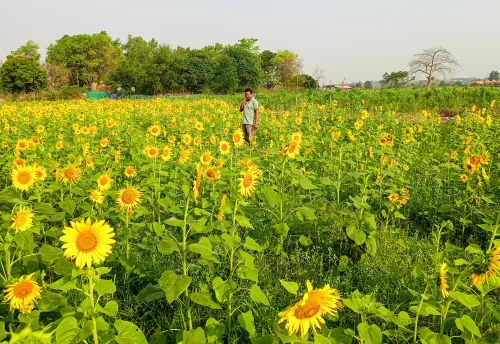
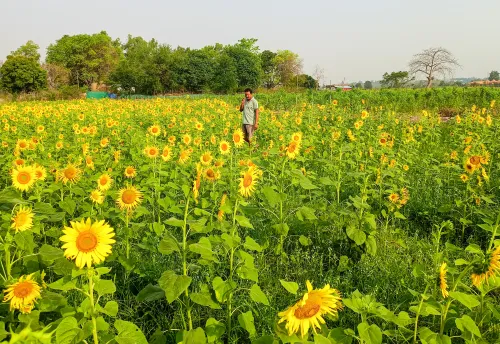
The approved procurement quantities are specific and significant: 13,413 metric tonnes of sunflower, 38,250 metric tonnes of moong (green gram), and 1,15,500 metric tonnes of soybean are to be purchased from Karnataka farmers at MSP. These are three of the state's most commercially sensitive Kharif oilseed and pulse crops — commodities whose open-market prices are notoriously volatile in the post-harvest period when supply surges and trader bargaining power peaks.
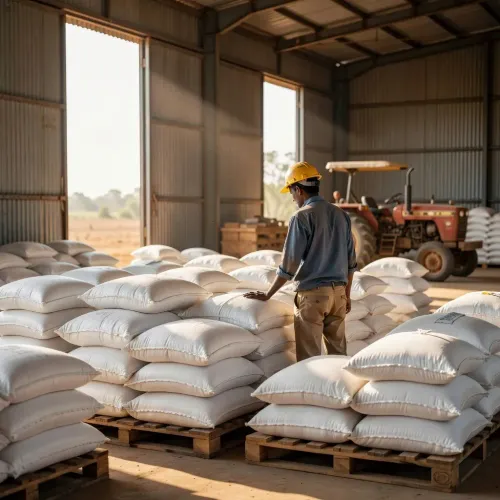
The Price Support Scheme is typically implemented through central agencies such as NAFED and state-designated procurement bodies, which step in to buy directly from registered farmers when market prices slip below the government-declared MSP. For oilseeds and pulses in particular, this mechanism has served as a critical backstop in states like Karnataka, Madhya Pradesh, Maharashtra and Rajasthan across multiple Kharif seasons.
Karnataka's pulse-and-oilseed belt and why PSS approvals matter here
Karnataka is a significant producer of both oilseeds and pulses, with districts in the northern and central dryland belts heavily dependent on soybean and sunflower as their primary cash crops. When open-market prices crash below MSP — a recurring risk in bumper-harvest years — farmers without access to formal procurement channels are often forced to sell at distress rates to local traders.
The PSS is not an automatic entitlement: states must formally request central approval with projected volume estimates, and the Centre evaluates and sanctions quantities. Joshi's post makes clear that this round of approvals followed active lobbying by both him and the state government — a reminder that centre-state coordination, not just policy design, determines whether farmers on the ground actually benefit.
India's MSP framework, which covers 23 crops and has been revised upward annually, has faced perennial criticism that announcements do not translate into actual procurement. Approvals like this one — with specific, named quantities for a specific season — are the operational link between the policy and the farmer's bank account.
The real test now is execution: how quickly agencies mobilise, how many farmers register, and whether payments clear before the next sowing cycle begins.
Point of View
Where political pressure from state-level BJP leaders serves as the trigger for Centre action — underscoring that the scheme's reach is as much a function of political advocacy as administrative design. For Pralhad Joshi, a senior Karnataka BJP leader, the announcement carries dual significance: it delivers a tangible, farmer-facing win in a state where the BJP is in opposition to the Congress-led government, and it reinforces his profile as an effective interlocutor between Bengaluru and New Delhi. Broader policy watchers will note that approvals at this scale — nearly 1.67 lakh metric tonnes across three crops — signal the Centre's continued preference for price-support intervention over any structural reform of the MSP framework. The question that will define the scheme's credibility this season is speed of implementation, not the announcement itself.
NationPress
29 Sept 2026
Frequently Asked Questions
What is the Price Support Scheme (PSS) for farmers in India?
The Price Support Scheme (PSS) is a central government programme under which agencies like NAFED purchase pulses, oilseeds and cotton directly from farmers at the government-declared Minimum Support Price (MSP) whenever open-market prices fall below that floor, preventing distress sales.
Which crops will be procured from Karnataka under PSS for Kharif 2026-27?
Three crops have been approved for procurement: 13,413 metric tonnes of sunflower , 38,250 metric tonnes of moong (green gram) , and 1,15,500 metric tonnes of soybean — all at MSP.
Who approved the PSS procurement for Karnataka in 2026-27?
Union Agriculture Minister Shivraj Singh Chouhan granted the approval following a personal request from Union Minister Pralhad Joshi and a formal appeal from the Karnataka state government.
What is Minimum Support Price (MSP) and how does it protect farmers?
MSP is a government-declared floor price for select agricultural commodities, currently covering 23 crops . When market prices fall below this level, government agencies step in to buy produce at MSP, ensuring farmers receive a remunerative price for their labour.
What happens after PSS procurement is approved — how do farmers actually sell?
Once approved, designated state and central agencies open procurement centres where registered farmers can sell their produce at MSP. Farmers must register with the relevant portal, bring produce to notified centres, and payment is credited directly to their bank accounts — though timelines vary by season and state logistics.