Cabinet clears MSP hike for 14 kharif crops for 2026-27 season
Synopsis
The Modi-chaired CCEA has approved MSP hikes for all 14 kharif crops for 2026-27, with sunflower seed getting the biggest absolute jump at ₹622 per quintal. Moong farmers stand to earn a 61% margin over production costs — the highest in the basket — as the Centre doubles down on oilseed and pulse cultivation to cut import dependence.
Key Takeaways
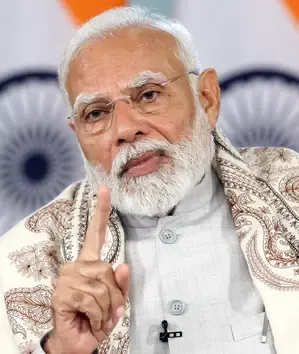
The CCEA , chaired by PM Modi , approved MSP hikes for 14 kharif crops for Marketing Season 2026-27 on 13 May .
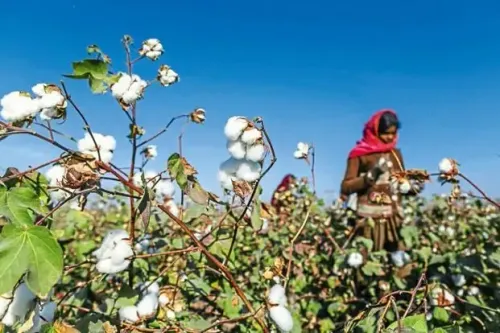
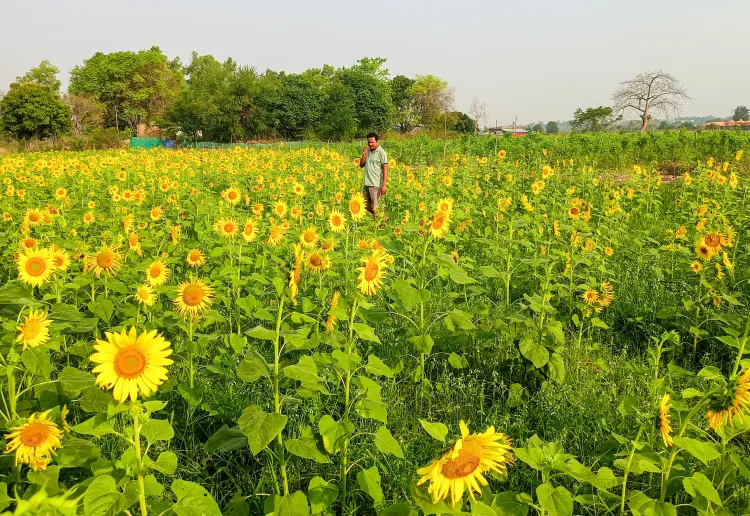
Sunflower seed received the highest absolute hike at ₹622 per quintal , followed by cotton ( ₹557 ), nigerseed ( ₹515 ), and sesamum ( ₹500 ).
Margin over cost of production is highest for moong (61%) , followed by bajra and maize (56% each) and tur/arhar (54%) .
MSP payouts for all 14 kharif crops rose from ₹4.75 lakh crore (2004-14) to ₹18.99 lakh crore (2014-26).
Total kharif crop procurement nearly doubled from 4,679 LMT to 8,746 LMT across the two comparable decades.
The Cabinet Committee on Economic Affairs (CCEA), chaired by Prime Minister Narendra Modi, on Wednesday, 13 May approved an increase in the Minimum Support Prices (MSP) for 14 kharif crops for Marketing Season 2026-27, aimed at ensuring remunerative returns for farmers across the country. The decision, announced through an official government statement, continues a policy trajectory of linking MSP to at least 1.5 times the all-India weighted average cost of production — a commitment first made in the Union Budget 2018-19.
Biggest Absolute Hikes This Season
The highest absolute increase in MSP over the previous year has been approved for sunflower seed at ₹622 per quintal, followed by cotton at ₹557 per quintal, nigerseed at ₹515 per quintal, and sesamum at ₹500 per quintal. These oilseed-heavy hikes reflect the government's continued push to diversify cultivation away from water-intensive cereals.
Margins Over Cost of Production
According to the official statement, the expected margin over cost of production will be highest for moong at 61 per cent, followed by bajra and maize at 56 per cent each, and tur/arhar at 54 per cent. For the remaining crops in the basket, the margin is estimated at 50 per cent — the floor set by the 2018-19 budget commitment.
Government's Push for Pulses and Oilseeds
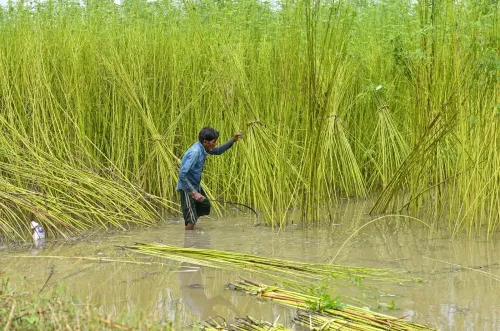
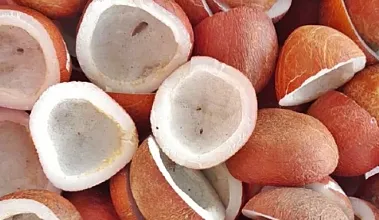
In recent years, the Centre has been actively promoting cultivation of pulses, oilseeds, and nutri-cereals — collectively branded as 'Shree Anna' — by offering comparatively higher MSPs for these crops. This comes amid broader concerns about India's dependence on edible oil imports and its periodic vulnerability to pulse price inflation.
A Decade of Procurement: The Numbers
The government cited a sharp jump in procurement volumes and payouts when comparing the two UPA and NDA decades. During 2014-15 to 2025-26, the MSP amount paid to paddy-growing farmers stood at ₹16.08 lakh crore, compared to ₹4.44 lakh crore during 2004-05 to 2013-14. For all 14 kharif crops combined, total MSP payouts rose from ₹4.75 lakh crore in the earlier decade to ₹18.99 lakh crore in the more recent one. Paddy procurement also nearly doubled — from 4,590 lakh metric tonnes (LMT) to 8,418 LMT — while total kharif crop procurement climbed from 4,679 LMT to 8,746 LMT over the same periods. The government is expected to notify crop-wise MSP schedules ahead of the kharif sowing season.
Point of View
But the outsized hikes for oilseeds and pulses signal a deliberate policy choice: reduce India's structural dependence on edible oil imports and cushion against recurring pulse inflation. The decade-on-decade procurement comparison the government has chosen to highlight is politically loaded — it frames the NDA era as transformative for farmers. Critics, however, have long argued that MSP benefits remain concentrated among a narrow band of procurement-connected farmers in a few states, while the majority sell in open markets at prices that may not reflect these floors. The real test of this year's hike will be whether procurement machinery actually reaches farmers in non-traditional oilseed and pulse belts.
NationPress
20 Sept 2026
Frequently Asked Questions
What is MSP and why does it matter for kharif crops?
Minimum Support Price (MSP) is the government-guaranteed floor price at which the state procures crops from farmers, protecting them from market price crashes. For kharif crops — sown in the monsoon season — the MSP is announced before sowing begins, allowing farmers to make planting decisions with a price assurance.
Which kharif crop got the highest MSP hike for 2026-27?
Sunflower seed received the highest absolute increase at ₹622 per quintal over the previous year, followed by cotton at ₹557 per quintal, nigerseed at ₹515 per quintal, and sesamum at ₹500 per quintal.
How is the MSP calculated by the government?
The government calculates MSP at a minimum of 1.5 times the all-India weighted average cost of production, a formula announced in the Union Budget 2018-19. This means farmers are assured a margin of at least 50 per cent over their input costs across all 14 kharif crops.
Which crops offer the highest margin over production cost?
Moong offers the highest margin at 61 per cent over cost of production, followed by bajra and maize at 56 per cent each, and tur/arhar at 54 per cent. All remaining crops in the 14-crop basket carry a 50 per cent margin.
How does the current government's MSP record compare to the previous decade?
According to official data, MSP payouts for 14 kharif crops totalled ₹18.99 lakh crore during 2014-15 to 2025-26, compared to ₹4.75 lakh crore in the 2004-05 to 2013-14 period. Total kharif procurement also rose from 4,679 LMT to 8,746 LMT over the same comparison periods.