CBSE Talkathon 2026: Experts, students unite to tackle youth drug abuse
Synopsis
CBSE's Talkathon on substance abuse brought a psychiatrist from AIIMS, an NCB official, and school students onto one virtual platform — and the message was clear: no amount of drug use is safe, the brain is always the first casualty, and a four-step CALM technique can help young people refuse peer pressure on the spot.
Key Takeaways
CBSE hosted a Nasha Mukt Yuva Talkathon on 20 September 2026 , focused on substance abuse prevention among school students.
Nand Kumar of AIIMS, New Delhi explained that drugs hyperactivate the brain's reward circuit, making ordinary experiences feel inadequate and driving dependency.
Anish C , Additional Director of the Narcotics Control Bureau , warned that even occasional alcohol use can open the door to addiction.
The CALM technique — C learly declare refusal, L eave the situation, use an E xcuse, stay M indful — was shared as a peer-pressure refusal tool.
CBSE schools have peer ambassadors and educators who monitor classmates and report substance-related concerns.
Experts agreed: academic or social pressure is never justification for drug use, and seeking professional help should carry no stigma.
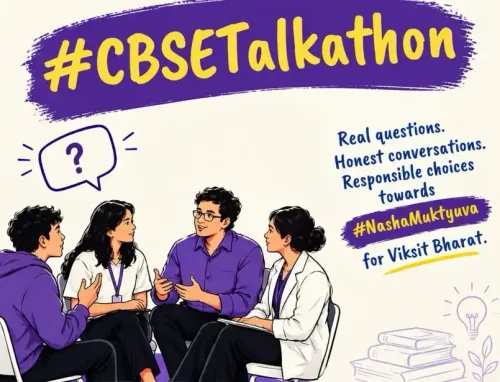
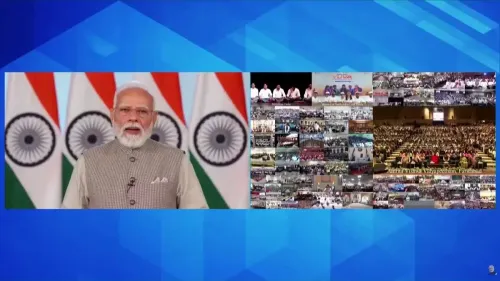
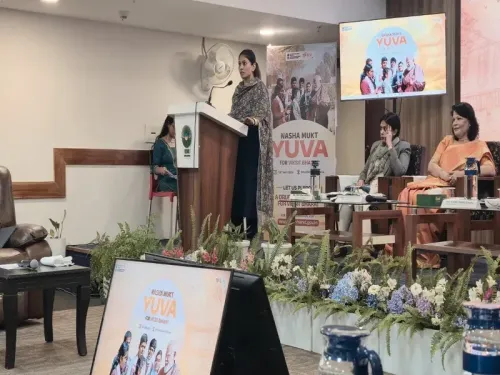
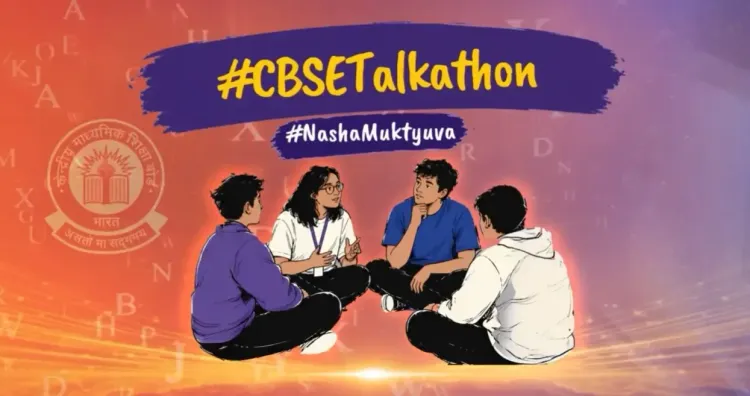
Central Board of Secondary Education (CBSE) brought together educators, psychiatrists, narcotics officials, and students on 20 September 2026 for a Talkathon focused on the growing challenge of substance abuse among school-going youth. The virtual interactive session was part of the Nasha Mukt Yuva (Drug-Free Youth) campaign, aimed at equipping young people with awareness and refusal strategies to stay drug-free.
Who Spoke and What Was Covered
The session featured Alka Awasthi, Principal of Mayur School, Noida; Prof. Nand Kumar from the Department of Psychiatry at AIIMS, New Delhi; Anish C, Additional Director of the Narcotics Control Bureau (NCB); and Class 12 students Samya and Rohit from PM Shri Kendriya Vidyalayas. The Talkathon format — a recurring series of live virtual sessions — allows subject experts to speak directly with students and teachers on well-being and learning issues.
How Substances Affect the Brain
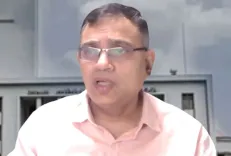
Prof. Nand Kumar explained that drugs first act on the brain by hyperactivating its reward circuit, generating intense pleasure that ordinary life experiences cannot replicate. This drives repeated use and eventually leads to dependence. He noted that while alcohol damages the liver and stomach and cigarettes harm the lungs and throat, the brain is always the primary target. Kumar also debunked the widespread belief that substances improve concentration, calling it 'a dangerous myth.'
Addressing the myth that occasional alcohol use does not lead to addiction, Anish C cautioned that even sporadic consumption opens the door to dependency, as the brain begins to associate the substance with relaxation, gradually displacing healthier coping responses.
Recognising Dependence and Seeking Help
Prof. Kumar said that mild changes in attention, concentration, focus, and sleep are normal indicators of dependence and signal the need for professional support. He stressed that seeking help should carry no shame. Principal Awasthi reinforced that no amount of drug use is safe, as substances create only a temporary coping mechanism that ultimately deepens addiction.
On supporting peers who may be influenced by harmful habits, Awasthi advised young people to show empathy and patience while clearly communicating concern. If a friend does not respond, the next step is to involve parents, school counsellors, or peer educators. Notably, CBSE schools already have peer ambassadors and educators in place to monitor classmates and escalate concerns.
The CALM Refusal Technique
The experts agreed that strong friendships and supportive school communities generate positive peer pressure that encourages refusal. Prof. Kumar shared a practical strategy called CALM: Clearly declare 'I will not take it'; Leave the situation immediately; use an Excuse if needed; and stay Mindful. The framework is designed to give students a ready script when confronted with peer pressure.
The Broader Message
Anish C explained that Nasha Mukt means understanding drugs and saying no, so that falling demand prevents substances from reaching young minds. The session concluded with a firm consensus: academic or social pressure is never a justification for substance use, and there is no safe threshold for drug consumption. With India's school population increasingly exposed to substance risks, the CBSE's initiative signals a shift toward proactive, expert-led prevention rather than reactive disciplinary responses.
Point of View
Expert-led attention it deserves — most interventions stay at the poster-campaign level. CBSE's Talkathon format is a meaningful step forward, but a one-off virtual session reaches only those who tune in voluntarily. The real test is whether the CALM technique and peer-ambassador model are embedded in daily school culture rather than reserved for awareness days. With India having one of the youngest populations in the world, and the average age of first drug use reportedly dropping, the gap between a well-intentioned session and a systemic prevention architecture remains large.
NationPress
20 Sept 2026
Frequently Asked Questions
What is the CBSE Talkathon on substance abuse?
The CBSE Talkathon is a series of live virtual sessions organised by the Central Board of Secondary Education in which experts speak directly to students and teachers about well-being issues. The edition held on 20 September 2026 focused on the Nasha Mukt Yuva (Drug-Free Youth) campaign and strategies to prevent substance abuse among school students.
Who were the experts at the CBSE drug-free Talkathon?
The session featured Prof. Nand Kumar from the Department of Psychiatry at AIIMS, New Delhi; Anish C, Additional Director of the Narcotics Control Bureau; and Alka Awasthi, Principal of Mayur School, Noida. Class 12 students Samya and Rohit from PM Shri Kendriya Vidyalayas also participated.
What is the CALM technique for refusing drugs?
CALM is a four-step peer-pressure refusal strategy shared by Prof. Nand Kumar: Clearly declare 'I will not take it'; Leave the situation immediately; use an Excuse if needed; and stay Mindful. It is designed to give students a ready response when confronted with pressure to try substances.
Is occasional alcohol use really dangerous for teenagers?
Yes, according to NCB's Anish C, even sporadic alcohol consumption can open the door to dependency. The brain begins to associate the substance with relaxation and gradually replaces healthy coping mechanisms, making occasional use a genuine risk factor rather than a safe middle ground.
How do CBSE schools support students at risk of substance abuse?
CBSE schools have peer ambassadors and peer educators in place who monitor classmates and report concerns to counsellors or parents. Experts at the Talkathon encouraged students to involve these school-level support structures, as well as parents and counsellors, when a friend appears to be influenced by harmful habits.