IIT Kharagpur director's exam message to students after IIT Bombay suicide
Synopsis
Against the backdrop of a student's death at IIT Bombay and a subsequent FIR against the institute over alleged casteist remarks, IIT Kharagpur's director posted a rare, personal public message telling students that 'a poor exam is not a poor life' — a sign that India's elite engineering institutes are, at minimum, beginning to speak the language of student wellbeing.
Key Takeaways
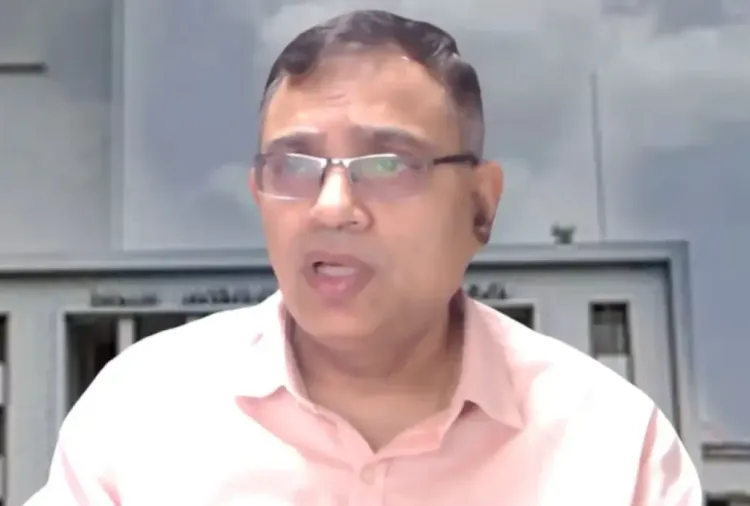
Suman Chakraborty , Director of IIT Kharagpur , posted a video message on X and a written letter to students ahead of institute examinations.
The message urged students not to catastrophise poor results, get adequate sleep, eat properly, and seek help when overwhelmed.
The outreach followed the suicide of Sahil Wakode , 22 , a second-year student at IIT Bombay , allegedly connected to a mobile phone use incident during an exam.
IIT Bombay claimed Wakode had used ChatGPT during the exam and was subsequently counselled; faculty said his academic career would not be affected.
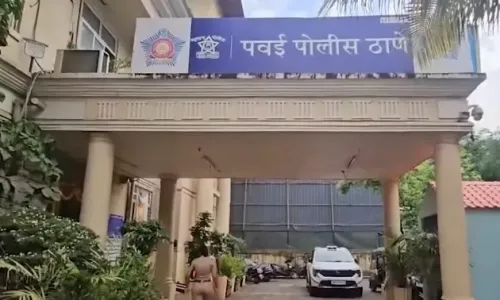
Wakode's parents filed an FIR against the institute and a faculty member alleging casteist remarks; Powai Police Station is investigating.
Prof. Suman Chakraborty, Director of IIT Kharagpur, has sent a heartfelt video message and written note to students ahead of examinations at the institute, urging them not to let exam results define their self-worth. The outreach comes in the wake of the death of Sahil Wakode, a 22-year-old second-year student at IIT Bombay, whose suicide has triggered protests and a police investigation.
What the Director Said
In the video posted on X, Prof. Chakraborty reminded students that examinations, while important, are not bigger than the individuals who sit them. 'An exam is indeed important, but it is not bigger than you. A grade is important, but it does not define you,' he said, adding that students should not catastrophise a poor result.
He encouraged adequate sleep, proper nutrition, and mutual support among peers. 'A poor exam is not a poor life. A disappointing grade is not a verdict on your ability,' he said. He also advised students to enter the examination hall with confidence and honesty.
A Message on Resilience and Seeking Help
Prof. Chakraborty drew a distinction between strength and silence, urging students not to carry distress alone. 'Do not carry a difficult moment alone, simply because you believe you are expected to be strong,' he said, assuring students that as Director he would stand to protect their dignity.
In his accompanying letter, he wrote: 'As you walk into your examination halls, remember this: an exam measures what you wrote on one day. It does not measure who you are or what you will become.' He closed with a direct personal assurance — 'My hand is on your shoulder, today and always.'
The IIT Bombay Case: What Happened
The director's message follows the death of Sahil Wakode, a student at IIT Bombay, who allegedly used a mobile phone during an examination and uploaded questions to seek answers via ChatGPT, according to the institute. Faculty members have stated that Wakode was counselled and was assured his academic career would not be adversely affected.
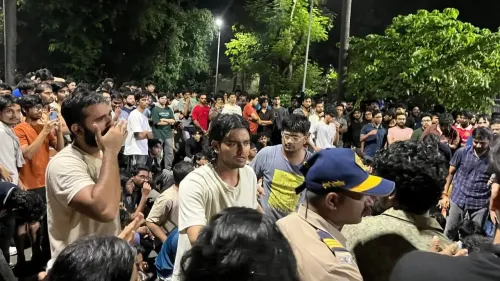
However, a section of students launched an agitation disputing the institute's account. Wakode's parents have registered a First Information Report (FIR) against the institute and a faculty member, citing alleged casteist remarks. The Powai Police Station is currently investigating the matter.
Broader Context: Student Mental Health at IITs
The IIT Bombay incident has reignited a long-running debate about academic pressure, institutional accountability, and mental health support at India's premier engineering institutes. Notably, this is not the first time an IIT has faced scrutiny over student suicides linked to examination stress or disciplinary proceedings. The response from the IIT Kharagpur director is among the more publicly visible institutional reactions, signalling a shift — at least in communication — toward empathy-led leadership.
Mental health advocates argue that beyond reassuring messages, structural reforms — including anonymous counselling access and clearer anti-discrimination protocols — are essential for lasting change.
Point of View
The test will be in anti-discrimination protocols and independent grievance redressal — not in the quality of the next well-worded video message.
NationPress
20 Sept 2026
Frequently Asked Questions
Why did IIT Kharagpur's director send a message to students?
Prof. Suman Chakraborty sent the message ahead of examinations at IIT Kharagpur, in response to the suicide of IIT Bombay student Sahil Wakode, which triggered widespread concern about academic pressure and student mental health at IITs. He urged students not to let exam results define their self-worth and to seek help when overwhelmed.
Who was Sahil Wakode and what happened at IIT Bombay?
Sahil Wakode was a 22-year-old second-year student at IIT Bombay who died by suicide. The institute alleged he had used a mobile phone during an examination to upload questions and seek answers via ChatGPT, and said he was subsequently counselled. His parents disputed this account and filed an FIR alleging casteist remarks by a faculty member; Powai Police Station is investigating.
What did Prof. Suman Chakraborty say in his message?
Prof. Chakraborty said that an exam 'does not measure who you are or what you will become,' advised students to sleep adequately, eat properly, help friends stay positive, and not carry difficult moments alone. He assured students: 'As your director, I shall stand there to protect your dignity.'
Is there a police investigation into the IIT Bombay incident?
Yes. Sahil Wakode's parents registered a First Information Report (FIR) against IIT Bombay and a faculty member alleging casteist remarks. The Powai Police Station is currently investigating the matter.
What is the broader concern around student mental health at IITs?
Student suicides at IITs have repeatedly drawn attention to high academic pressure, inadequate mental health infrastructure, and allegations of discrimination. Mental health advocates argue that beyond public messaging, structural measures — including anonymous counselling and clearer anti-discrimination protocols — are needed for lasting change.