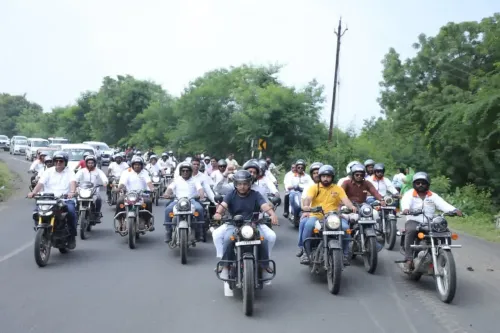
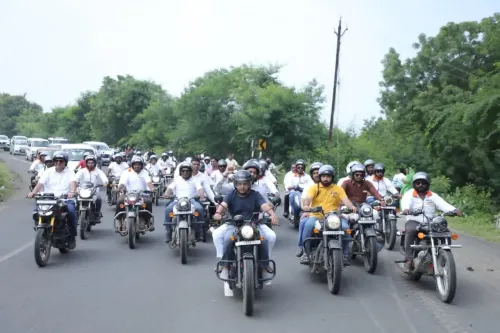
BJYM Seva Sankalp Yatra enters MP, Rajasthan on Day 4 of nationwide march
Synopsis
Launched from Modi's birthplace and constituency, the BJYM's Seva Sankalp Yatra has entered Madhya Pradesh and Rajasthan on Day 4, blending cleanliness drives, tree plantation and Jan Samwad sessions with senior-level BJP participation — framing 'seva' as both a social mission and a political statement ahead of upcoming electoral cycles.
Key Takeaways
The BJYM Seva Sankalp Yatra was launched on 17 September 2026 from Vadnagar and Varanasi to mark PM Modi's 25 years of public service.
On Day 4 , the yatra entered Madhya Pradesh and Rajasthan , continuing across multiple routes.
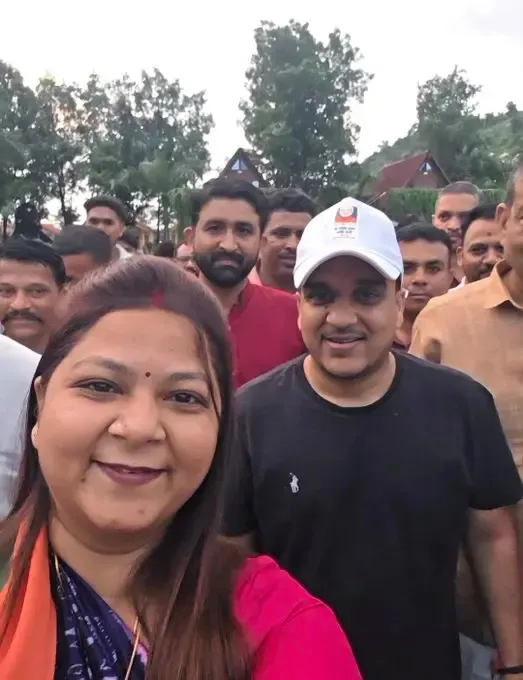
Gujarat Deputy CM Harsh Sanghavi , VD Sharma , Swatantra Dev Singh , Rajmani Kol , Kamlesh Patel and Rivaba Jadeja participated as Seva Yatris.
Activities include Swachhta Abhiyan cleanliness drives, tree plantation, Jan Samwad sessions, bhajan gatherings and visits to old-age homes.
BJYM national president Hemang Joshi described the march as 'a journey of commitment, compassion and collective responsibility.'
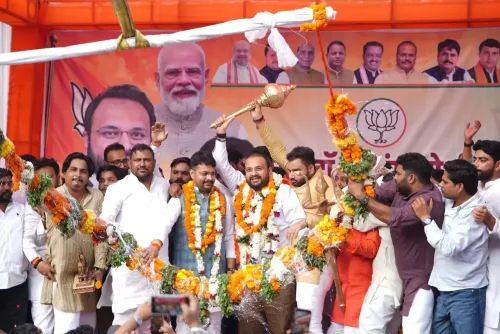
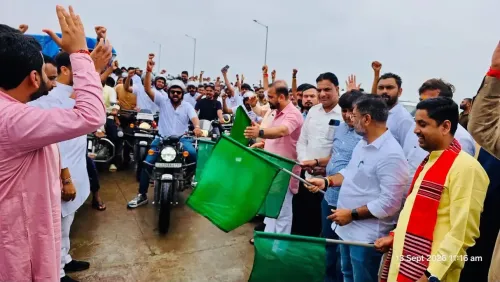
The Bharatiya Janata Yuva Morcha (BJYM)-led Seva Sankalp Yatra, launched on 17 September 2026 from Vadnagar and Varanasi to mark Prime Minister Narendra Modi's 25 years of public service, extended its nationwide reach on its fourth day, entering Madhya Pradesh and Rajasthan. The yatra, which set off simultaneously from Gujarat and Uttar Pradesh, is traversing multiple routes with thousands of workers and citizens participating in community service activities along the way.
Key Developments on Day 4
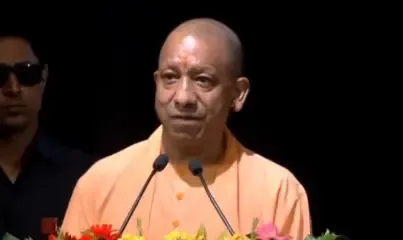
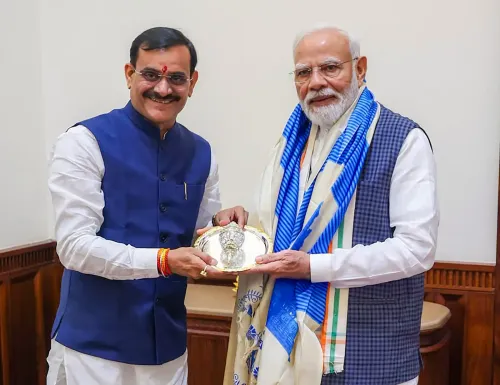
Gujarat Deputy Chief Minister Harsh Sanghavi joined as a Seva Yatri and conducted a Jan Samwad — a direct public dialogue — with villagers at Kanij in Kheda district. BJP MP and national in-charge of all cells VD Sharma also participated in grassroots activities along one of the routes. From Uttar Pradesh, state minister Swatantra Dev Singh and Lok Sabha MP Rajmani Kol joined the yatra, while Gujarat ministers Kamlesh Patel and Rivaba Jadeja were among other prominent leaders taking part in service initiatives.
Activities Along the Routes
At every halt, BJYM workers are undertaking a range of community-oriented programmes. These include Swachhta Abhiyan cleanliness drives at public places and villages, tree plantation campaigns, Bhajan Gayan and spiritual gatherings, Jan Chaupal sessions for direct citizen engagement, visits to old-age homes, and other locally relevant welfare activities. The yatra's design places emphasis on understanding community concerns at the grassroots level rather than functioning solely as a political mobilisation exercise.
What BJYM National President Said
BJYM national president Hemang Joshi described the Seva Sankalp Yatra as 'a journey of commitment, compassion and collective responsibility.' He noted that workers are translating the spirit of seva into tangible action through cleanliness drives, tree plantation, Jan Samwad sessions, bhajan gatherings, and care for senior citizens. Joshi added that the enthusiastic participation of elected representatives and ordinary citizens reflects the deep resonance the idea of seva has with Indian society.
Broader Context and Significance
The yatra is framed as an effort to connect India's youth with values of selfless service, discipline and compassion — qualities the BJYM associates with Prime Minister Modi's 25-year public service journey. This comes amid broader BJP outreach efforts targeting youth engagement ahead of state and national electoral cycles. Notably, the dual launch from Vadnagar — Modi's birthplace — and Varanasi — his parliamentary constituency — carries deliberate symbolic weight, anchoring the march in both his personal and political identity. The participation of elected representatives alongside grassroots workers signals an attempt to blur the line between political mobilisation and social service, a recurring feature of BJP-affiliated campaigns in recent years.
What Comes Next
The yatra is expected to continue across additional states in the coming days, with further participation from party leaders and local communities. Its trajectory through central and northern India suggests the campaign is targeting BJP-governed states as its primary theatre of activity. How the message of seva translates into lasting community impact beyond the yatra's duration will be watched closely by both supporters and critics of the initiative.
Point of View
On its face, a community outreach exercise — but the dual launch from Vadnagar and Varanasi, the sustained presence of elected ministers and MPs, and its timing ahead of electoral cycles make the political subtext impossible to miss. BJP-affiliated seva campaigns have historically served as cadre mobilisation tools as much as welfare initiatives, and this one follows the same template. The genuine test of the yatra's stated mission is whether the community engagements — the Jan Samwads, the cleanliness drives, the old-age home visits — outlast the march itself or dissolve once the cameras move on. That question rarely gets asked in the coverage of such events.
NationPress
21 Sept 2026
Frequently Asked Questions
What is the BJYM Seva Sankalp Yatra?
The Seva Sankalp Yatra is a multi-state march organised by the Bharatiya Janata Yuva Morcha (BJYM) to mark Prime Minister Narendra Modi's 25 years of public service. Launched on 17 September 2026 simultaneously from Vadnagar in Gujarat and Varanasi in Uttar Pradesh, it involves community service activities including cleanliness drives, tree plantation, Jan Samwad sessions and care for senior citizens.
Which states has the Seva Sankalp Yatra covered so far?
The yatra began in Gujarat and Uttar Pradesh on 17 September 2026 and entered Madhya Pradesh and Rajasthan on its fourth day, 20 September 2026. It is expected to continue across additional states in the coming days.
Which leaders have participated in the Seva Sankalp Yatra?
Several senior BJP leaders have joined as Seva Yatris, including Gujarat Deputy Chief Minister Harsh Sanghavi, BJP MP and national cell in-charge VD Sharma, UP state minister Swatantra Dev Singh, Lok Sabha MP Rajmani Kol, and Gujarat ministers Kamlesh Patel and Rivaba Jadeja.
What activities are being conducted during the yatra?
At each halt, BJYM workers organise Swachhta Abhiyan cleanliness drives, tree plantation programmes, Jan Chaupal and Jan Samwad public dialogue sessions, Bhajan Gayan spiritual gatherings, visits to old-age homes, and other community welfare activities tailored to local needs.
Why was the yatra launched from Vadnagar and Varanasi?
Vadnagar is Prime Minister Narendra Modi's birthplace and Varanasi is his parliamentary constituency, making the dual launch a symbolic choice intended to anchor the yatra in both his personal origins and political identity as the march commemorates his 25 years of public service.