Nine killed in fresh gunmen attacks across Plateau State, Nigeria
Synopsis
Nine people killed in fresh gunmen attacks across Plateau State, Nigeria — the second major mass killing in the region in under a week. With no group claiming responsibility and a disputed cattle-theft motive, the violence underscores the Middle Belt's deepening intercommunal crisis.
Key Takeaways
At least nine people were killed in gunmen attacks across Barkin Ladi , Riyom , and neighbouring communities in Plateau State, Nigeria , on 20 September 2026 .
A transit bus was ambushed on Saturday night , killing five ; four more were shot while travelling to church on Sunday morning.
A local cattle breeders' official suggested the attacks may be linked to alleged cattle theft, though no group has claimed responsibility.
On 13 September , a separate attack on a bus heading to Jos killed nine people in the same state.
Plateau State police have launched investigations, deployed forensic teams, and reaffirmed a ban on motorcycle operations in parts of the state.
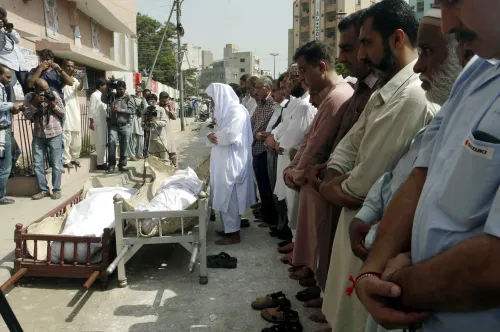
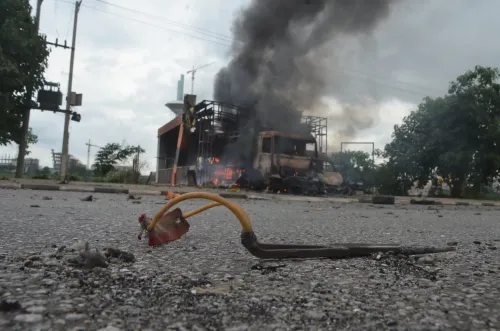
At least nine people were killed in a series of coordinated attacks by unidentified gunmen across multiple communities in Plateau State, central Nigeria, on 20 September 2026, according to local media reports. The attacks, which unfolded between Saturday night and Sunday morning, have sharply heightened tensions across Barkin Ladi, Riyom, and neighbouring communities.
How the Attacks Unfolded
According to Bulus Dabit, national president of the Mwaghavul Development Association, a transit bus was ambushed in Barkin Ladi on Saturday night, leaving five people dead. The following morning, four more individuals were shot and killed while travelling to church.
Ukasha Garaba, a youth leader in the area who assisted in recovering the victims' bodies, identified the deceased as labourers who had been heading to work in another town in the state.
Possible Trigger: Cattle Theft Claims
Gambo Abubakar, secretary of the Barkin Ladi branch of the Miyetti Allah Cattle Breeders Association of Nigeria, told local media that some cattle had allegedly been stolen by residents of the area. He suggested the attacks may be linked to the missing animals, though no group has claimed responsibility for the violence so far.
Notably, no official confirmation of this link has been established by authorities, and the suggestion remains unverified.
A Pattern of Recurring Violence
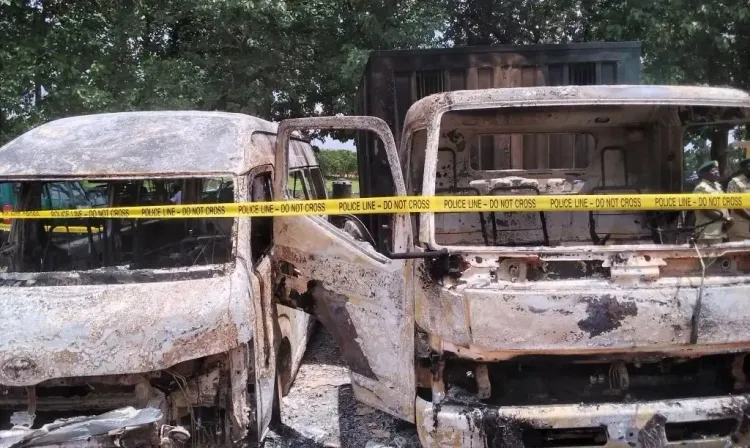
This is not an isolated incident. On 13 September, a separate attack on a commercial bus heading to Jos — the state capital — left nine people dead. According to Alfred Alabo, spokesperson for the Plateau State Police, the bus was intercepted by gunmen riding motorcycles at Dungus, a town in Kuru District of Jos South Local Government Area. Seven people were shot dead at the scene, and two others later succumbed to their injuries in hospital. Alabo described the incident as 'callous.'
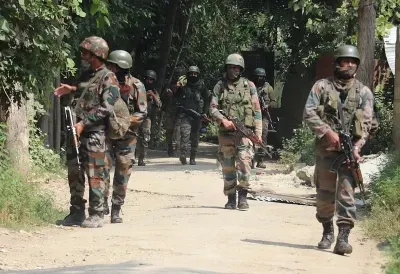
Police have since launched an investigation, deployed forensic experts and homicide detectives, and issued a manhunt for the perpetrators. Authorities also reaffirmed an existing ban on motorcycle operations in several parts of the state, a restriction aimed at curbing such attacks.
The Wider Context: Middle Belt Violence
Plateau State sits in Nigeria's Middle Belt — a geopolitically fraught corridor connecting the predominantly Muslim north to the predominantly Christian south. The region has been a flashpoint for intercommunal violence for decades, with conflicts frequently rooted in disputes over land, grazing rights, and resources between farming and herding communities.
Residents in the affected areas have responded with a mix of fear and defiance — some have fled their communities while others have reportedly chosen to stay behind to resist further attacks. With investigations still ongoing and no perpetrators identified, the threat of further violence in the region remains real.
Point of View
Yet the pattern remains depressingly familiar — unidentified gunmen, disputed motives, no arrests, and communities left to fend for themselves. The cattle-theft explanation offered by a local breeders' official is speculative at best, but it points to a structural failure: Nigeria has still not built a credible land-and-resource dispute mechanism for the Middle Belt. The motorcycle ban is a tactical response to a systemic crisis, and the recurring death tolls suggest it is not working.
NationPress
21 Sept 2026
Frequently Asked Questions
What happened in the Plateau State attacks on 20 September 2026?
At least nine people were killed in separate attacks by unidentified gunmen across Barkin Ladi, Riyom, and neighbouring communities in Nigeria's Plateau State between Saturday night and Sunday morning on 20 September 2026. Five died in a bus ambush and four were shot while heading to church.
Who carried out the attacks in Plateau State?
The perpetrators have not been identified and no group has claimed responsibility. A local cattle breeders' official suggested the violence may be linked to alleged cattle theft, but this has not been officially confirmed by authorities.
Was this the first such attack in Plateau State recently?
No. On 13 September 2026, nine people were killed when gunmen on motorcycles ambushed a commercial bus heading to Jos, the state capital. The attack at Dungus in Jos South Local Government Area left seven dead on the scene and two more in hospital.
What action has the government taken after the attacks?
Plateau State police have launched investigations, deployed forensic experts and homicide detectives, and issued a manhunt for the gunmen. Authorities also reaffirmed an existing ban on motorcycle operations in several areas of the state to curb further violence.
Why is Plateau State prone to such violence?
Plateau State is located in Nigeria's Middle Belt, a region that links the predominantly Muslim north and predominantly Christian south. The area has experienced recurring intercommunal violence for decades, often driven by disputes over land, grazing rights, and resources between farming and herding communities.