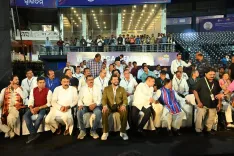
CBSE Talkathon 2026: Experts bust drug myths, alert students to social media risks
Synopsis
CBSE's Talkathon brought AIIMS psychiatrists and NCB officials face-to-face with students to dismantle drug myths — including the dangerous belief that occasional use is harmless. The session's sharpest warning: social media is actively being used to recruit student couriers into trafficking networks, and the NCB's confidential helpline 1933 exists for exactly this reason.
Key Takeaways
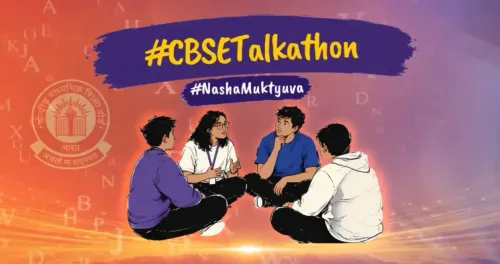
CBSE Talkathon hosted a dedicated session on 20 September 2026 under the Nasha Mukt Yuva campaign to combat substance abuse among students.
Nand Kumar of AIIMS New Delhi warned that even occasional drug use rewires the brain's reward circuit and is not harmless.
NCB Additional Director Anish C flagged social media as a gateway for drug normalisation and student recruitment into trafficking networks.
The NCB national helpline 1933 (MANAS) is a confidential channel for reporting suspicious drug-related activity.
Principal Alka Awasthi listed key warning signs: falling grades, absenteeism, secrecy, and red or dilated pupils.
Experts urged empathy over condemnation for students caught in substance dependence, and encouraged use of school counsellors and peer educators.
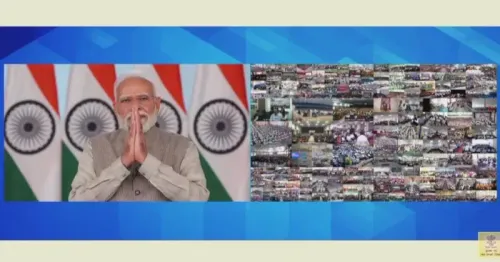
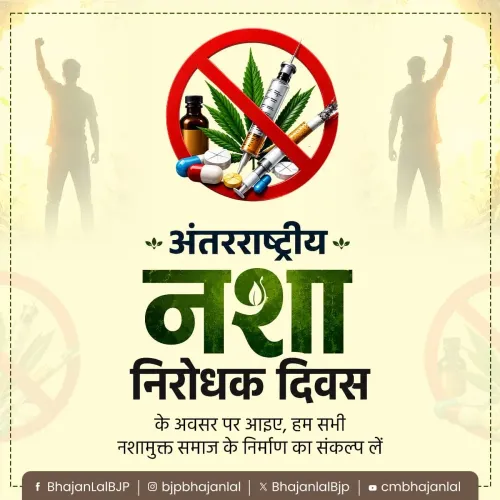
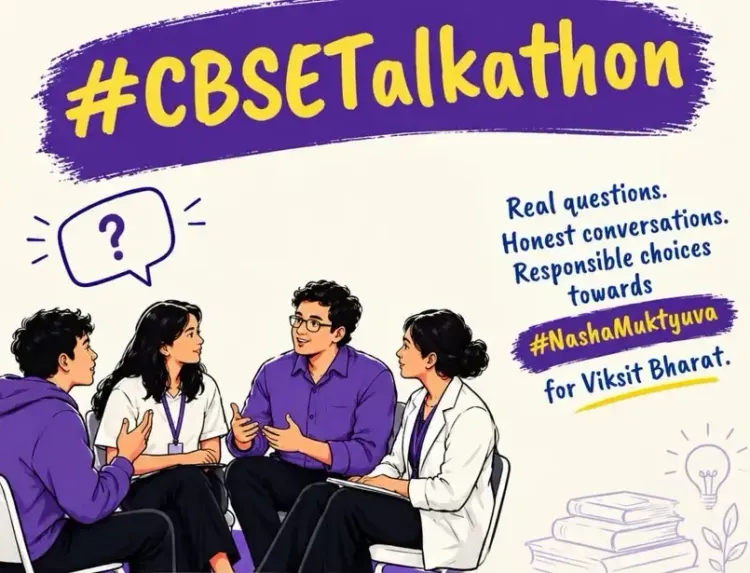
The Central Board of Secondary Education (CBSE) hosted a dedicated edition of its Talkathon series on 20 September 2026 in New Delhi, bringing together psychiatry, narcotics control, and school administration professionals alongside students to dismantle persistent myths around substance abuse and underline the urgency of early intervention. The session was anchored in the Nasha Mukt Yuva (Drug-Free Youth) campaign, aimed at equipping young people with science-backed awareness to resist and report drug use.
How Drugs Rewire the Adolescent Brain
Prof. Nand Kumar, from the Department of Psychiatry at AIIMS New Delhi, explained that substances hijack the brain's reward circuit, generating intense pleasure that routine activities simply cannot replicate. Over time, the brain loses its capacity to experience ordinary joy, pushing users toward repeated consumption and eventual dependence.
The physical toll varies by substance — alcohol damages the liver and stomach, while cigarettes compromise lung function — but the brain, Prof. Kumar stressed, remains the primary casualty in every case. He firmly rejected the widespread belief that occasional use is harmless, noting that even infrequent consumption conditions the brain to associate substances with relaxation.
He also dismissed claims that drugs sharpen concentration, arguing that they progressively blunt natural alertness and long-term cognitive ability. Sudden cessation can trigger shifts in attention, sleep, and mood — signals of dependence that require professional support rather than self-management.
Social Media as a Drug Gateway: NCB's Warning
Anish C, Additional Director of the Narcotics Control Bureau (NCB), described social media as a 'necessary evil' that frequently normalises drug culture and serves as a recruitment tool for trafficking networks. He specifically warned students against accepting unknown packages or responding to messages promising easy delivery income, as these are known entry points into illegal supply chains.
Anish directed students and families to the NCB's national helpline 1933 — formally named MANAS (Madak-Padarth Nishedh Asoochna Kendra) — a confidential channel for reporting suspicious activity without fear of exposure.
Warning Signs Schools and Parents Must Not Miss
Principal Alka Awasthi of Mayur School, Noida challenged the assumption that high-achieving students are insulated from substance risk. Early-stage use may not immediately reflect in grades, but over time the pattern becomes visible: falling academic performance, rising absenteeism, growing secrecy, deteriorating self-care, and unexplained expenditure.
Physical indicators include red or abnormally dilated pupils, pronounced mood swings, irritability, and withdrawal from friends and family. She urged educators and parents to treat these signs as calls for intervention rather than discipline.
Empathy Over Condemnation: The Expert Consensus
The panel converged on a critical point: once a young person is caught in the cycle of substance use, condemnation deepens isolation and delays recovery. Empathy, patient listening, and non-judgmental engagement are the foundations of effective support. Schools already have peer educators and counsellors available for discreet consultation, and students were encouraged to use these resources without hesitation.
Class 12 students Samya and Rohit also participated in the session, representing the peer perspective in the conversation. The overarching message from the Talkathon: understanding how substances affect the brain and body is the most durable shield a young person can have — and reporting early is always the right call.
Point of View
But its reach depends entirely on whether the virtual format translates into sustained school-level action — a gap that past awareness campaigns have repeatedly failed to close. The NCB's social media warning is particularly timely: delivery-job scams targeting cash-strapped students are a documented and growing recruitment vector, yet digital literacy curricula in most Indian schools remain thin. The panel's emphasis on empathy over punishment is the right clinical and social instinct, but schools lack standardised counsellor-to-student ratios to act on it. Awareness without infrastructure is the persistent blind spot in India's school-based drug prevention architecture.
NationPress
20 Sept 2026
Frequently Asked Questions
What is the CBSE Talkathon on drug-free youth?
The CBSE Talkathon is a series of live virtual sessions conducted by the Central Board of Secondary Education where subject experts speak directly to students and teachers on well-being topics. This edition, held on 20 September 2026, focused on the Nasha Mukt Yuva (Drug-Free Youth) campaign and featured psychiatrists, NCB officials, and school principals dismantling drug myths.
What did AIIMS psychiatrist Prof. Nand Kumar say about drug use?
Prof. Nand Kumar explained that drugs hijack the brain's reward circuit, making everyday activities feel unrewarding and driving repeated use. He stressed that even occasional consumption is not harmless, as it conditions the brain to rely on substances for relaxation and progressively undermines natural cognitive function.
What is the NCB helpline 1933 and how can students use it?
The NCB helpline 1933, known as MANAS (Madak-Padarth Nishedh Asoochna Kendra), is a confidential national channel for reporting suspicious drug-related activity. Students can call it anonymously to report unknown packages, suspicious delivery offers, or drug activity without fear of identification.
What warning signs of drug use should parents and teachers watch for?
According to Principal Alka Awasthi, key warning signs include falling grades, rising absenteeism, increased secrecy, deteriorating self-care, and unexplained expenditure. Physical indicators include red or abnormally dilated pupils, mood swings, irritability, and withdrawal from friends and family.
Why did the NCB warn students about social media?
NCB Additional Director Anish C described social media as a 'necessary evil' that normalises drug use and is actively used to recruit students as couriers through promises of easy money and delivery jobs. He urged students never to accept unknown packages or respond to such messages, as they can be entry points into drug trafficking networks.