CM Samrat Choudhary backs Nasha Mukt Yuva drive for Viksit Bharat
Synopsis
Bihar Chief Minister Samrat Choudhary endorsed PM Modi's Nasha Mukt Yuva movement on August 2, 2026, quoting the Prime Minister to position drug-free youth as central to the Viksit Bharat Sankalp Abhiyan's national development vision.
Key Takeaways
Bihar CM Samrat Choudhary publicly backed the Nasha Mukt Yuva campaign on August 2, 2026 .
He quoted PM Narendra Modi framing the movement as a mission for the individual, family, society, and nation.
The campaign links the Nasha Mukt Bharat Abhiyan (launched 2020 ) to the broader Viksit Bharat Sankalp Abhiyan (launched 2023 ).
The Viksit Bharat Sankalp Abhiyan targets welfare scheme saturation across India ahead of 2047 .
Bihar's endorsement reflects a pattern of BJP-aligned states integrating public health goals into the national Viksit Bharat narrative.
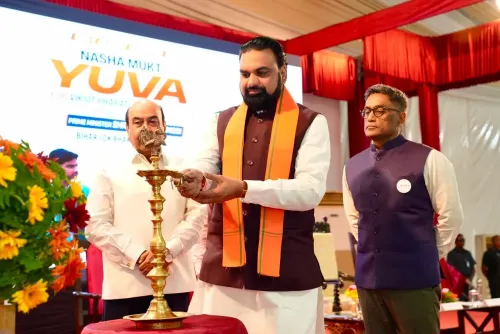
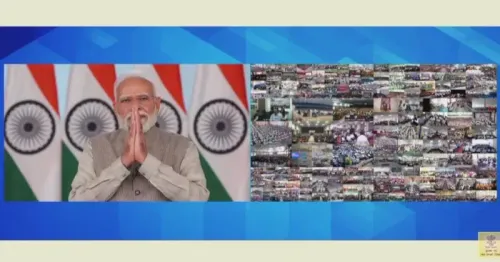
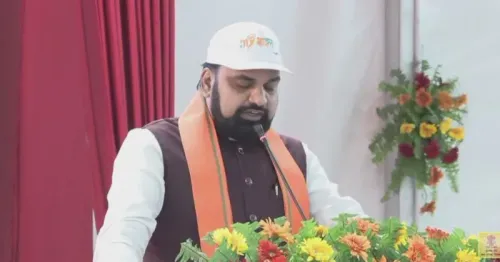
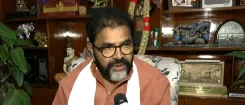
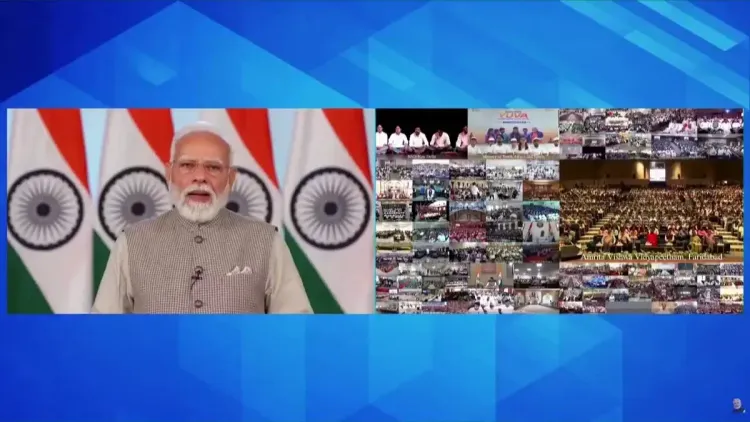
A campaign for the individual, the family, the society — and above all, the nation. Bihar Chief Minister Samrat Choudhary on Sunday, August 2, 2026, amplified Prime Minister Narendra Modi's call for a drug-free youth movement, framing the Nasha Mukt Yuva initiative as the social backbone of India's Viksit Bharat Sankalp Abhiyan.
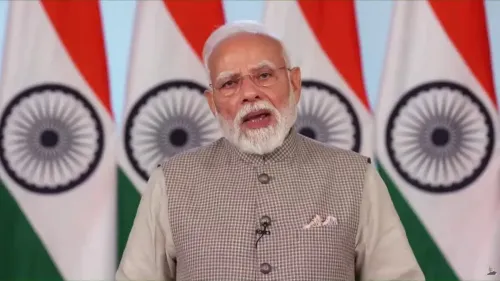
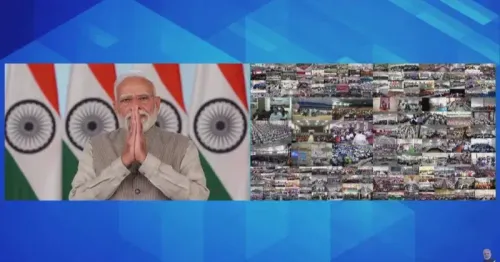
Quoting the Prime Minister directly, Choudhary shared Modi's words: 'Aaj hum sab jis abhiyan ke sakshi ban rahe hain, vah abhiyan vyakti ke liye hai, parivaar ke liye hai, samaj ke liye bhi hai aur sabse badi baat hai ye rashtra ke liye hai' — ('The campaign we are all witnessing today is for the individual, for the family, for society, and most importantly, for the nation.')
What Nasha Mukt Yuva means inside the Viksit Bharat framework
The Nasha Mukt Yuva movement sits at the intersection of two long-running central government drives. The Nasha Mukt Bharat Abhiyan, launched in 2020, established a nationwide architecture for anti-drug awareness — school outreach, community rallies, and digital campaigns targeting young Indians. The Viksit Bharat Sankalp Abhiyan, rolled out from 2023 onward, broadened that lens: it is the central government's flagship saturation drive to ensure welfare scheme delivery reaches every eligible household before 2047.
Folding an anti-drug youth movement into the Viksit Bharat umbrella is a deliberate signal. It positions public health — specifically the fight against substance abuse — not as a standalone social intervention but as a precondition for national development. The name of the movement, as Modi's quoted words note, 'makes its resolve self-evident.'
Bihar's role in a pattern of state-level endorsements
Choudhary's post is part of a broader pattern visible across BJP-governed and BJP-aligned states: senior leaders publicly anchoring local welfare priorities to the central Viksit Bharat narrative, reinforcing both the scheme's reach and the party's social-reform credentials. For Bihar — a state where youth unemployment and drug abuse have been recurring political flashpoints — the endorsement carries particular weight.
State-level implementation details, including how Bihar coordinates with central ministries on the youth-focused components of the Sankalp Abhiyan, will be the next indicator of whether this political signal translates into ground-level action.
A movement named after its own promise. Now Bihar watches whether the resolve holds.
Point of View
At a moment when the party is keen to demonstrate that welfare and social reform are inseparable. By quoting Modi verbatim on the 'nation-first' framing of the anti-drug campaign, the Bihar CM signals that state leaders see Viksit Bharat not merely as a central scheme but as an electoral and ideological asset. The integration of the Nasha Mukt Yuva movement into the Sankalp Abhiyan umbrella also reflects a maturing strategy: public health is no longer a soft sidebar but a core metric of development credibility. Whether Bihar's ground-level implementation matches the rhetorical commitment will be the real test of this political investment.
NationPress
16 Sept 2026
Frequently Asked Questions
What is the Nasha Mukt Yuva campaign?
Nasha Mukt Yuva is an anti-drug youth movement linked to the central government's Viksit Bharat Sankalp Abhiyan, aiming to build a drug-free young population as part of India's national development goals.
What is the Viksit Bharat Sankalp Abhiyan?
Viksit Bharat Sankalp Abhiyan is a central government initiative launched from 2023 to accelerate welfare scheme delivery and awareness, targeting saturation coverage across India ahead of 2047.
What did Bihar CM Samrat Choudhary say about the Nasha Mukt Yuva movement?
Choudhary quoted PM Modi, stating the campaign is for the individual, family, society, and most importantly the nation, endorsing it as a pillar of the Viksit Bharat mission.
When was the Nasha Mukt Bharat Abhiyan launched?
The Nasha Mukt Bharat Abhiyan was launched in 2020 as a nationwide drive against drug abuse, using school outreach, community rallies, and digital awareness campaigns.
How does Bihar fit into the Viksit Bharat Sankalp Abhiyan?
Bihar, under CM Samrat Choudhary, has publicly endorsed the campaign, reflecting a pattern of BJP-aligned states integrating social reform and anti-drug goals into the central Viksit Bharat development framework.