IBC as an Evolving Law: IICA hosts key session with former IBBI chief
Synopsis
Former IBBI chief M. S. Sahoo told IICA's insolvency trainees what policymakers rarely say plainly: markets move faster than courts can follow, and the IBC's real strength lies not in its original text but in the regulatory machinery built around it. The session is a window into how India is quietly training the next generation of insolvency professionals to treat the Code as a dynamic system, not a finished statute.
Key Takeaways
IICA hosted the session 'IBC as an Evolving Law Through the Amendments' in New Delhi on 20 September 2026 .
Former IBBI Chairperson M.
Sahoo stated that markets evolve faster than litigation, making subordinate legislation and regulatory interventions essential.
The session was held under IICA's 'Meet the Legend' programme for Post Graduate Insolvency Programme (PGIP) participants.
Gyaneshwar Kumar Singh , DG and CEO of IICA, opened the session, emphasising learning from distinguished practitioners.
The IBC has undergone multiple amendment cycles since its enactment in 2016 , covering MSMEs, cross-border resolution, and creditor hierarchies.
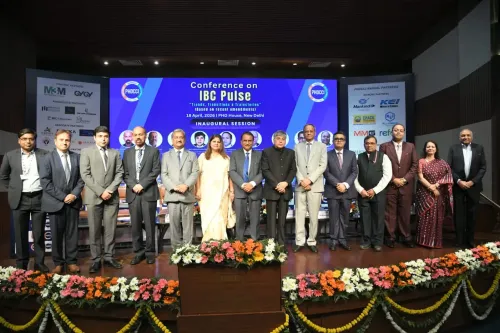
The Indian Institute of Corporate Affairs (IICA) on 20 September 2026 hosted a session titled 'IBC as an Evolving Law Through the Amendments' in New Delhi, bringing together practitioners and policy scholars to examine how India's insolvency framework has adapted — and must continue to adapt — to rapidly shifting market conditions. The event was organised under IICA's flagship 'Meet the Legend' programme, according to a statement issued by the Ministry of Corporate Affairs.
Key Remarks by Former IBBI Chief
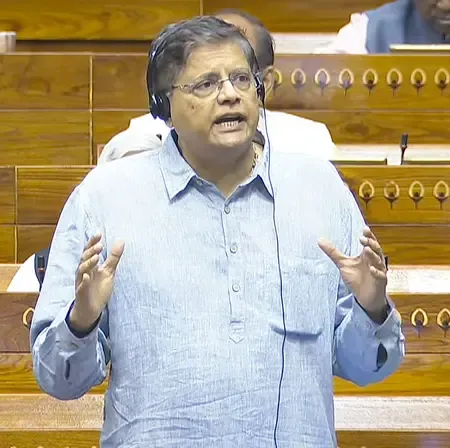
Former Chairperson of the Insolvency and Bankruptcy Board of India (IBBI), M. S. Sahoo, delivered the session's centrepiece address, arguing that economic legislation and regulatory mechanisms must continuously evolve in response to market realities. Sahoo observed that markets change faster than litigation can follow, making subordinate legislation and targeted regulatory interventions indispensable tools for addressing emerging challenges.
He elaborated that regulations can be framed to implement the Insolvency and Bankruptcy Code (IBC)'s provisions and advance its objectives, giving the insolvency framework the agility to respond to practical ground-level challenges in real time. His remarks drew on his direct experience shaping IBC's regulatory architecture over successive amendment cycles.
What Participants Took Away
The session was attended by participants of IICA's Post Graduate Insolvency Programme (PGIP), who gained insight into the dynamic interplay between primary legislation, subordinate rules, judicial interpretation, and market experience. Speakers underscored that the IBC is not a static statute frozen at enactment, but a living economic law that is continuously refined through regulatory orders, court rulings, and parliamentary amendments.
The interaction offered students a rare opportunity to understand how each amendment cycle has addressed gaps exposed by earlier rounds of resolution proceedings — including delays in admission, valuation disputes, and the treatment of personal guarantors.
Programme Context and Opening Remarks
Gyaneshwar Kumar Singh, Director General and Chief Executive Officer of IICA, opened proceedings by stressing the value of learning directly from distinguished practitioners who have shaped India's insolvency ecosystem. The 'Meet the Legend' format is designed to bridge the gap between classroom theory and regulatory practice by placing students in direct dialogue with architects of landmark policy frameworks.
Why This Matters for India's Insolvency Landscape
India's insolvency framework has undergone significant legislative revision since the IBC's enactment in 2016, with amendments addressing pre-packaged insolvency for MSMEs, cross-border resolutions, and the role of financial creditors versus operational creditors. Notably, the pace of regulatory change has at times outrun judicial capacity to interpret new provisions, making sessions like this one valuable for building a pipeline of informed insolvency professionals.
With the government continuing to refine the Code, and the IBBI periodically updating its regulations, the question of how to make the framework both responsive and predictable remains an active policy debate — one that future insolvency professionals trained at IICA will be expected to navigate.
Point of View
But the deeper challenge remains: regulatory agility and legal predictability frequently pull in opposite directions. Faster rule-making without adequate stakeholder consultation risks the very market confidence the IBC was designed to build.
NationPress
20 Sept 2026
Frequently Asked Questions
What was the IICA session on IBC about?
The session, titled 'IBC as an Evolving Law Through the Amendments,' focused on how India's Insolvency and Bankruptcy Code has developed through successive legislative amendments and regulatory interventions. It was aimed at helping insolvency professionals understand the Code as a dynamic framework rather than a fixed statute.
Who is M. S. Sahoo and why does his view on IBC matter?
M. S. Sahoo is the former Chairperson of the Insolvency and Bankruptcy Board of India (IBBI) and a leading expert on the IBC. His perspective carries weight because he oversaw the regulatory architecture of the Code during its formative years, shaping rules that govern resolution proceedings across Indian courts today.
What is IICA's 'Meet the Legend' programme?
The 'Meet the Legend' programme is an initiative by the Indian Institute of Corporate Affairs (IICA) that places students in direct dialogue with eminent practitioners and thought leaders who have contributed to the development of India's corporate and insolvency regulatory ecosystem.
Why does India need to keep amending the Insolvency and Bankruptcy Code?
Markets and business structures evolve faster than any single piece of legislation can anticipate. Since the IBC's enactment in 2016, gaps have emerged in areas such as MSME resolutions, cross-border insolvency, and the treatment of personal guarantors, necessitating periodic amendments and regulatory updates to keep the framework effective.
Who are PGIP participants and how does this session benefit them?
PGIP stands for Post Graduate Insolvency Programme, a specialised course run by IICA to train insolvency professionals. Sessions like this one give participants direct exposure to how real-world regulatory and market challenges have shaped the IBC, equipping them to navigate an evolving legal landscape in their careers.