CM Dhami Accuses Rahul Gandhi of Fuelling Radicalism in Uttarakhand
Synopsis
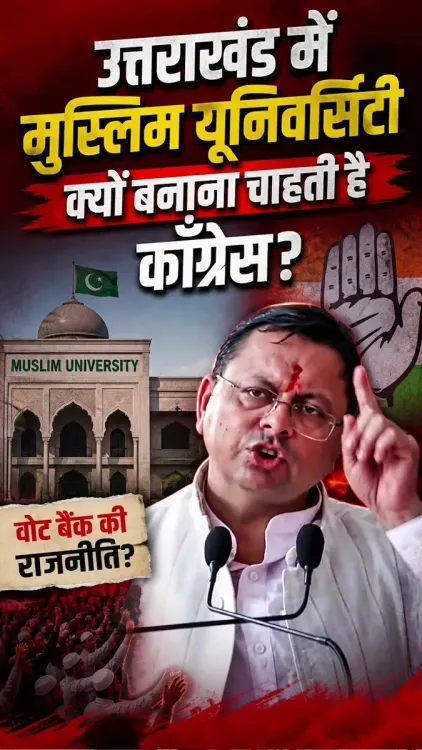
Uttarakhand Chief Minister Pushkar Singh Dhami accused Rahul Gandhi and Congress of wanting to promote radical ideology, appeasement, and divisive politics in Uttarakhand — a pointed ideological strike that signals early BJP mobilisation ahead of the 2027 state elections.
Key Takeaways
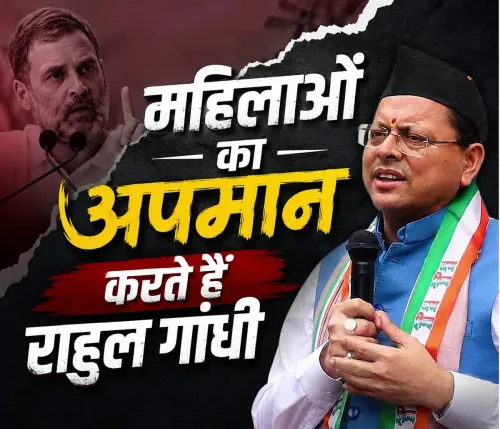
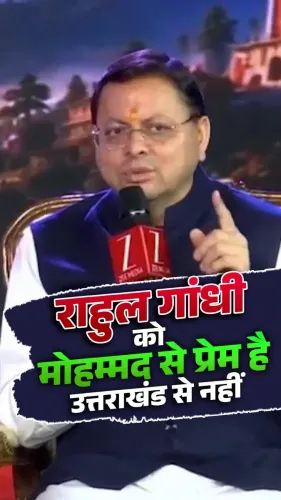
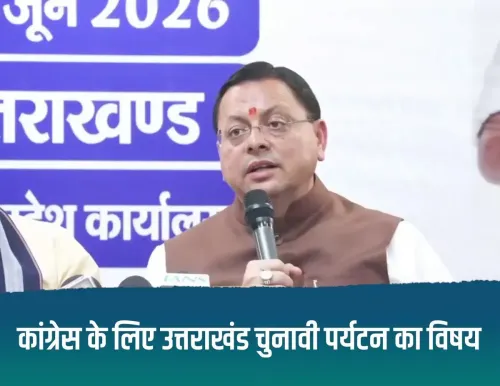
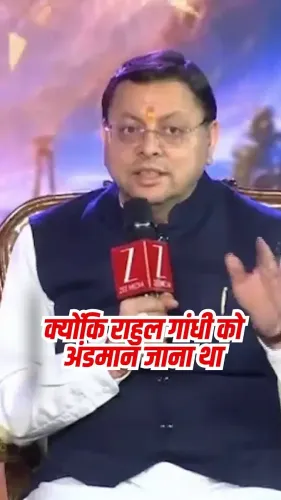
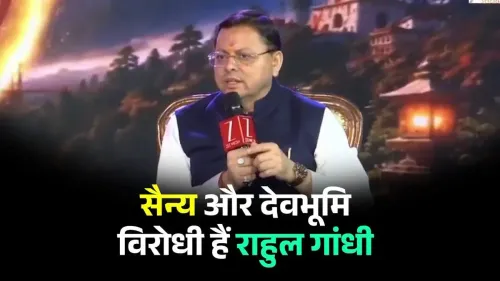
CM Pushkar Singh Dhami directly named Rahul Gandhi and Congress in a September 29, 2026 post, accusing them of nurturing radicalism, appeasement, and divisive politics in Uttarakhand.
The post was accompanied by a video, suggesting a structured BJP communication push rather than a spontaneous remark.
Uttarakhand has been under BJP rule since 2017 ; Dhami won re-election in 2022 on a governance-and-anti-appeasement platform.
The rhetoric mirrors BJP's 2014 national template of targeting Congress 'appeasement politics' — a playbook deployed consistently across Hindi-belt states.
The 2027 Uttarakhand assembly elections appear to be the underlying political context driving the early ideological framing.
Congress has not publicly responded to the specific charge at time of publication, setting up a likely counter-narrative battle.
A sharp political broadside landed in Uttarakhand's public square on Tuesday evening, as Chief Minister Pushkar Singh Dhami directly accused Rahul Gandhi and the Indian National Congress of nurturing radical ideology, appeasement politics, and divisive forces in the state — language that signals the BJP is moving early and aggressively to frame the terrain ahead of the 2027 Uttarakhand assembly elections.
What Dhami Said — and What It Signals
Posting in Hindi on X on September 29, 2026, Dhami declared: 'Rahul Gandhi and Congress want to nurture radical ideology, appeasement, and divisive politics in Uttarakhand' (उत्तराखंड में कट्टरपंथी विचारधारा, तुष्टिकरण और विभाजनकारी राजनीति को पोषित करना चाहते हैं राहुल गांधी और कांग्रेस). The accompanying video, the only media attached, suggests the post is part of a structured communication push rather than a spontaneous reaction.
The three-word indictment — radicalism, appeasement, divisiveness — is not accidental. These are precisely the pillars BJP has deployed since its 2014 national campaign to dismantle Congress credibility in Hindi-belt states, and their reappearance in Uttarakhand now tells a story about where the political clock stands.
Uttarakhand's Political Stakes and BJP's Playbook
Uttarakhand, the Himalayan state sharing borders with China and Nepal, has been under BJP rule since 2017. Dhami led the party to a fresh mandate in the 2022 assembly elections, campaigning heavily on governance and rejecting what the BJP described as Congress-era appeasement. The state's border geography and mixed demographics give cultural-consolidation rhetoric particular resonance with a segment of the electorate.
With the next state election due in 2027, the pattern is familiar: BJP state chiefs sharpen ideological contrasts early, forcing opposition parties to either defend their positions or shift ground. Congress, which once governed Uttarakhand and retains an organisational presence, will now face pressure to respond — and how it responds will define the opening narrative of the election cycle.
Congress's Position and What Comes Next
Rahul Gandhi, the Congress leader whose national campaigns have increasingly focused on constitutional rights, social justice, and anti-monopoly messaging, has not publicly responded to the specific charge at the time of publication. Congress spokespersons in Uttarakhand are likely to push back, framing BJP's language as divisive in itself — a counter-narrative the party has used effectively in other states.
The coming weeks will reveal whether this is an opening salvo in a sustained ideological campaign or a one-off response to a local trigger that has not yet surfaced publicly. Either way, Uttarakhand's political temperature just ticked up, and every party in the state now has to decide which ground it wants to fight on.
Point of View
Appeasement, and divisiveness in a single breath, BJP moves to own the cultural-security frame before Congress can consolidate its own narrative in Uttarakhand. This is the same playbook that proved durable for BJP across Hindi-belt states since 2014, and its deployment in a border state with a BJP-aligned voter base signals confidence rather than anxiety. The sharpness of the attack on Rahul Gandhi personally — not just 'Congress' — also reflects the national strategy of making Gandhi the face of the opposition's perceived vulnerabilities. Congress now faces a classic dilemma: a pointed rebuttal risks amplifying the charge, while silence risks letting the frame harden in the public mind ahead of 2027.
NationPress
30 Sept 2026
Frequently Asked Questions
Why did Uttarakhand CM Dhami target Rahul Gandhi on September 29, 2026?
CM Dhami accused Rahul Gandhi and Congress of wanting to promote radical ideology, appeasement, and divisive politics in Uttarakhand, framing it as a threat to the state. The specific trigger for the post has not been publicly confirmed, but it fits a broader BJP pattern of ideological positioning ahead of the 2027 state elections.
What does BJP mean by 'appeasement politics' in Uttarakhand?
BJP uses 'appeasement politics' to describe what it characterises as Congress's selective outreach to minority or specific community groups at the expense of uniform governance. The party has used this framing since the 2014 national campaign as a central electoral argument against Congress.
When are the next Uttarakhand assembly elections?
The next Uttarakhand assembly elections are due in 2027. BJP has held power in the state since 2017, and CM Dhami won re-election in the 2022 polls.
Has Congress responded to Dhami's 'radical ideology' accusation?
Congress had not issued a public response to CM Dhami's September 29, 2026 post at the time of reporting. A rebuttal from state or national Congress spokespersons is anticipated.
What is Uttarakhand's political significance for BJP?
Uttarakhand is a Himalayan border state sharing frontiers with China and Nepal that BJP has held since 2017. Its mixed demographics, cultural sensitivities, and strategic border location make it a key state for BJP's governance and cultural-consolidation narrative.