CM Sai Welcomes Seva Sankalp Yatra Riders in Raipur
Synopsis
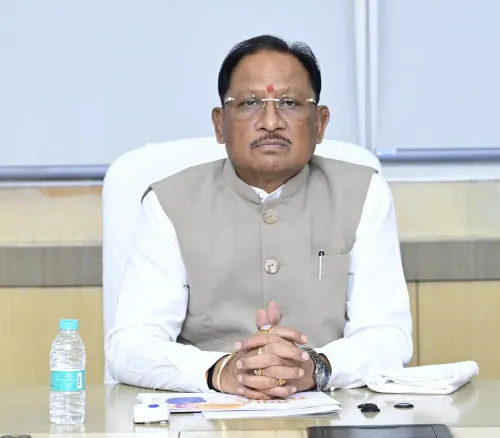
Chief Minister Vishnu Deo Sai welcomed bike riders from Vadnagar and Bastar at Raipur's Seva Sankalp Yatra, calling the campaign a youth-led drive for cleanliness, de-addiction, TB awareness and environmental protection under PM Modi's Viksit Bharat vision.
Key Takeaways
Bike riders from Vadnagar, Gujarat and Bastar division converged in Raipur for the Seva Sankalp Yatra evam Yuva Samvad event on 29 September 2026 .
CM Vishnu Deo Sai described the yatra as an 'campaign connecting youth power with service, social concern and nation-building.' Riders are spreading awareness on four themes: cleanliness, de-addiction, TB Mukt Bharat and environmental protection.
Sai highlighted Bastar's transformation from a region marked by fear to one where children aspire to become doctors, engineers, soldiers and civil servants.
The campaign aligns with central schemes including Swachh Bharat Abhiyan and the TB Mukt Bharat Abhiyan .
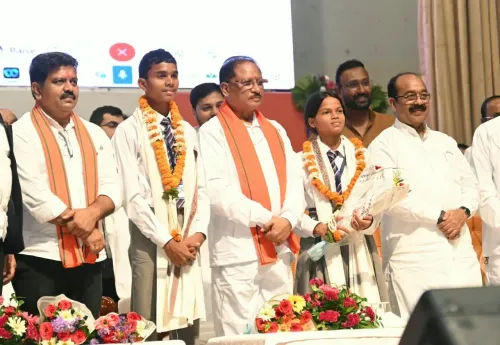
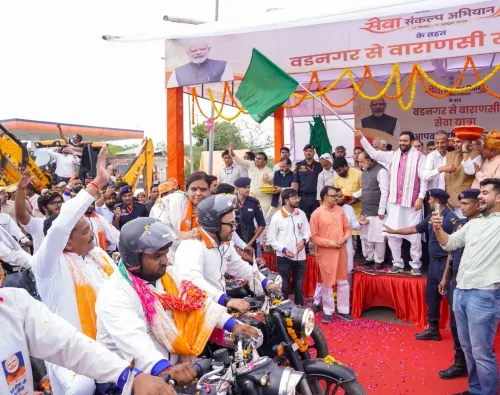
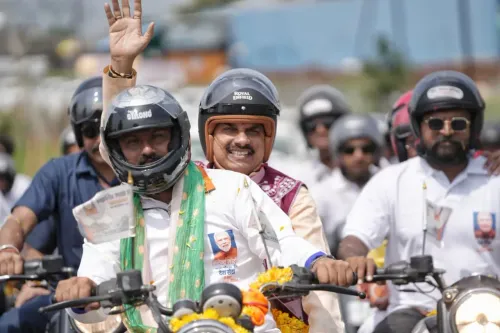
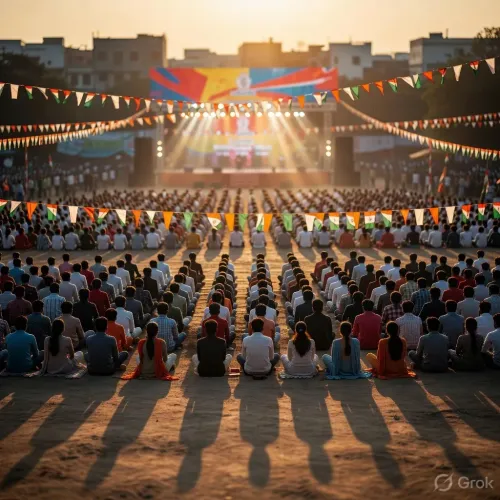
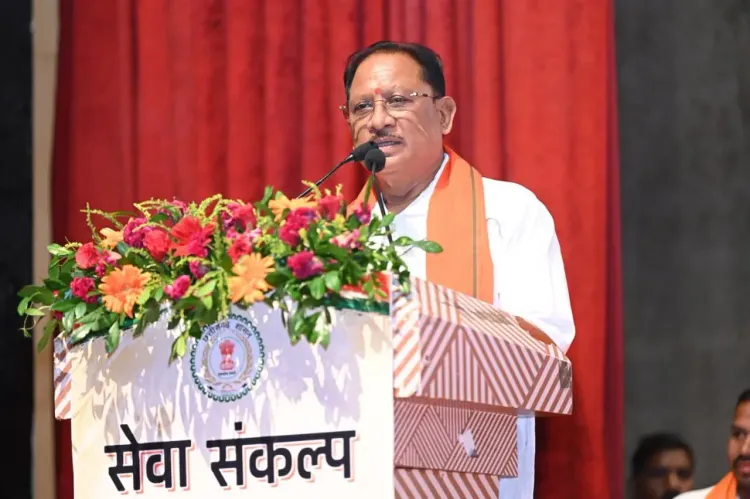
Bike riders who had pedalled in from Vadnagar, Gujarat — the birthplace of Prime Minister Narendra Modi — and from the once-insurgency-scarred Bastar division rolled into Raipur on Tuesday, 29 September 2026, where Chief Minister Vishnu Deo Sai received them at the Seva Sankalp Yatra evam Yuva Samvad (Service Resolve Ride and Youth Dialogue) programme.
A ride that links Vadnagar to Bastar
The symbolic geography of the yatra is hard to miss. Beginning from Vadnagar — a town that carries enormous political resonance as Modi's hometown — and simultaneously from the forested heartland of Bastar, the two convoys converging on Raipur were designed to tell one unified story: that the margins of the country are riding toward the mainstream.
CM Sai said the campaign is 'not merely a journey but an movement that connects youth power with service, social concern and nation-building.' He framed it directly within PM Modi's vision of a 'strong, self-reliant and developed India,' arguing that young volunteers on the road are giving that vision its most living, breathing expression.
Four causes the riders carry on their handlebars
The yatra is not just a spectacle of kilometres covered. Riders are carrying specific public-awareness mandates: cleanliness (aligned with the Swachh Bharat Abhiyan launched in 2014), de-addiction, TB-free India (under the TB Mukt Bharat Abhiyan, which set a target of eliminating tuberculosis by 2025), and environmental protection. At every stop, riders are expected to seed these messages in communities that government pamphlets often fail to reach.
The de-addiction thread is particularly pointed in a state like Chhattisgarh, where tribal districts have historically recorded high rates of alcohol and narcotics use alongside limited healthcare access. A youth-led ride converts a distant scheme into a face-to-face conversation.
Bastar's new skyline of aspirations
Perhaps the most charged passage in CM Sai's address was about Bastar itself. 'Where there was once an atmosphere of fear,' he said, 'today children's eyes hold dreams of becoming doctors, engineers, soldiers and civil servants.' It is a pointed reference: for decades, Bastar was synonymous with Left Wing Extremism that kept schools shuttered, roads dangerous and ambition suppressed.
The BJP-led state government has consistently spotlighted reduced security incidents in Bastar as one of its signature governance achievements since CM Sai took charge in December 2023. The yatra's route — originating from Bastar and arriving safely in the capital — doubles as a live demonstration of that claim.
Youth outreach as governance strategy
The Seva Sankalp Abhiyan format fits a pattern that BJP-run state governments have employed in recent years: using high-visibility, youth-led service campaigns to simultaneously advance central-government health and sanitation goals while building a visible, energised political constituency among young volunteers. The programme's hashtags — #SevaSankalpAbhiyan and #SevaSankalpYatra — signal a social-media amplification strategy running alongside the physical ride.
With further phases of the yatra expected, the real test will come in whether the awareness stops translate into measurable ground-level improvements in TB detection, sanitation coverage and de-addiction outreach across Chhattisgarh's tribal belts — numbers that will eventually have to speak for themselves.
Point of View
Youth-facing optics to create political capital in both tribal and urban constituencies. By anchoring the ride's starting point in Vadnagar — PM Modi's birthplace — the event is as much a branding exercise linking Chhattisgarh's governance to the national leader's personal narrative as it is a public-health drive. The spotlight on Bastar's aspirational youth is doing double duty: it reinforces the government's security-normalisation claims while subtly countering long-standing criticism that development gains in the region remain fragile. The real policy question is whether these awareness campaigns will produce verifiable outcomes in TB detection rates, de-addiction enrolments and sanitation metrics — or remain primarily a mobilisation tool.
NationPress
30 Sept 2026
Frequently Asked Questions
What is Seva Sankalp Yatra in Chhattisgarh?
Seva Sankalp Yatra is a youth-led bike rally and awareness campaign in Chhattisgarh that promotes cleanliness, de-addiction, TB-free India and environmental protection. Riders from Vadnagar in Gujarat and the Bastar division converged in Raipur in September 2026 as part of the programme.
Who is Vishnu Deo Sai?
Vishnu Deo Sai is the Chief Minister of Chhattisgarh, a senior BJP leader who took office in December 2023. He is known for prioritising security normalisation in the Bastar region and aligning state programmes with central government schemes.
Why did bike riders start from Vadnagar for the Seva Sankalp Yatra?
Vadnagar is the birthplace of Prime Minister Narendra Modi, and its inclusion as a starting point is symbolic, connecting the yatra's message of national service and development to the Prime Minister's personal and political identity.
What is the TB Mukt Bharat Abhiyan?
TB Mukt Bharat Abhiyan is a central government initiative to eliminate tuberculosis from India. The programme set a target of achieving a TB-free India by 2025 through community awareness, early detection and treatment drives.
How has Bastar changed under the current Chhattisgarh government?
The BJP-led state government has claimed significant reductions in Left Wing Extremism incidents in Bastar since taking charge in December 2023. CM Sai cited rising educational aspirations among Bastar children — wanting to become doctors, engineers, soldiers and civil servants — as evidence of the region's transformation.