Vaishnaw Launches Skill Certification Framework for Railway Projects
Synopsis
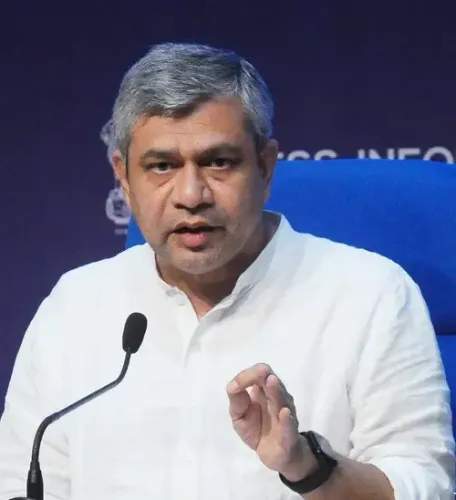
Union Minister Ashwini Vaishnaw announced a new skill certification framework for Indian Railways projects on 14 July 2026, featuring standardised artisan assessments and QR-coded skill cards to raise workmanship quality across the network.
Key Takeaways
Union Minister Ashwini Vaishnaw announced a new skill certification framework for railway projects on 14 July 2026 .
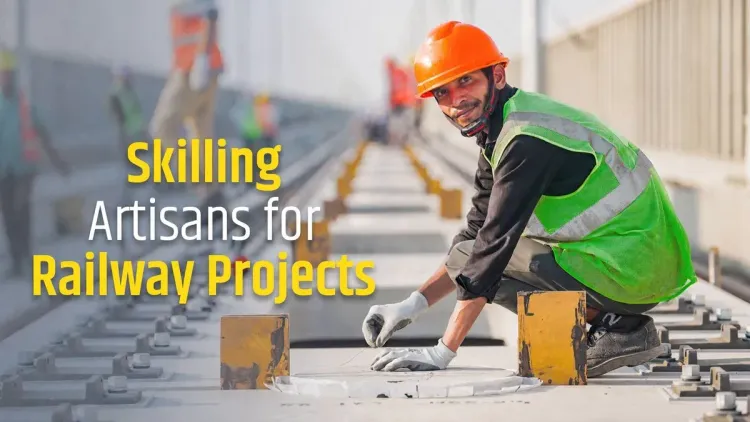
The framework introduces standardised assessments for artisans engaged on railway construction and maintenance work.
QR-coded skill cards will be issued to certified workers, enabling instant digital verification on project sites.
The initiative is positioned as part of broader railway modernisation, targeting better quality and workmanship.
The framework aligns with the Skill India Mission launched in 2015, extending national credentialling norms to the railway sector.
Project contractors and railway artisans are the primary stakeholders; rollout timelines and pilot projects are yet to be announced.
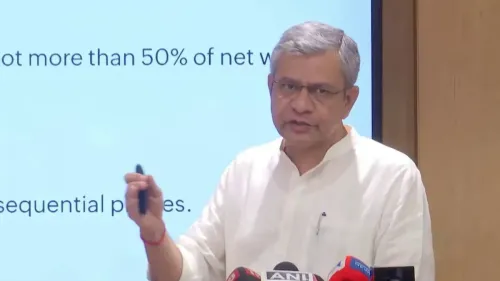
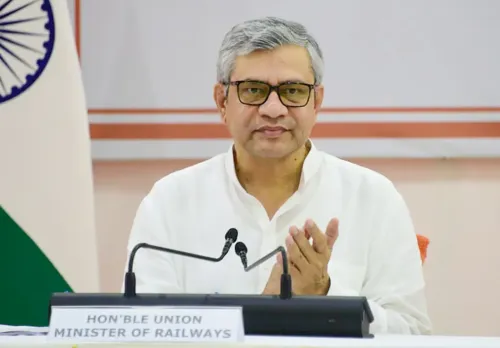
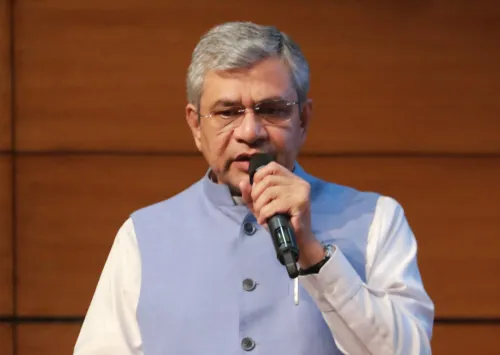
Union Minister Ashwini Vaishnaw announced on Tuesday, 14 July 2026 a new skill certification framework for railway projects, introducing standardised assessments for artisans, QR-coded skill cards, and measures aimed at improving quality and workmanship across Indian Railways construction and maintenance work.
Context
The minister outlined the framework as part of broader efforts to modernise the railways, listing three concrete deliverables: standardised assessment of artisans, QR-coded skill cards, and a commitment to better quality and workmanship on railway projects. The announcement positions workforce credentialling as a central pillar of railway reform alongside physical infrastructure upgrades.
Indian Railways operates one of the world's largest rail networks, employing and contracting hundreds of thousands of artisans, technicians, and project workers. Ensuring consistent skill standards across this workforce has long been identified as a quality-control challenge, particularly as the network accelerates expansion and modernisation.
Policy Backdrop
The new framework builds on the Skill India Mission, launched in 2015, which established standardised vocational training and certification mechanisms across sectors including infrastructure. Railway-specific skill standards have been part of the broader push to align public-sector workforce practices with national credentialling norms.
Since 2017, when the Railway Budget was merged with the General Budget, infrastructure spending and reform priorities have been integrated into a single fiscal framework. This has allowed successive Railway Budgets to link physical targets — track electrification, station redevelopment, Dedicated Freight Corridors — with workforce and quality benchmarks. The introduction of digital verification tools such as QR-coded cards follows a pattern seen in other government schemes, where digitisation is used to improve transparency and reduce fraud in credentialling.
Stakeholders and Impact
Railway artisans — welders, masons, electricians, and other tradespeople engaged on project sites — stand to be the most directly affected. A standardised assessment regime would mean their skills are formally certified against a national benchmark, potentially improving both their employability and the accountability of contractors who deploy them.
Project contractors working with Indian Railways would be required to engage certified workers, raising the floor on workmanship standards. The QR-coded skill card system would allow site supervisors and quality-control teams to instantly verify a worker's credentials, reducing reliance on paper documentation that can be forged or lost. Improved workmanship standards are expected to have downstream benefits for passenger safety and asset longevity.
What's Next
The immediate focus will be on how and when the certification framework is rolled out across active railway project sites. Pilot programmes in specific zones or project types are the likely first step before a network-wide mandate is imposed on contractors. The framework's integration with the Skill India ecosystem — including whether certifications will be portable across other infrastructure sectors — will be a key design question.
Observers will watch for references to the framework in the next Railway Budget or in procurement guidelines issued by the Ministry of Railways. If QR-coded skill cards become a mandatory pre-condition for contractor billing, the reform would have significant teeth beyond its current announcement stage.
Point of View
The ministry is borrowing a transparency mechanism already tested in welfare schemes and applying it to procurement accountability. This move also reinforces the political salience of Skill India as a cross-sectoral brand, keeping it visible in infrastructure policy years after its 2015 launch. If contractor compliance is made mandatory, this could meaningfully shift quality-control dynamics on large railway projects — but the test will be in enforcement, not announcement.
NationPress
14 Jul 2026
Frequently Asked Questions
What is the new skill certification framework for railway projects announced by Ashwini Vaishnaw?
Union Minister Ashwini Vaishnaw announced a framework that introduces standardised skill assessments for artisans working on railway projects and issues them QR-coded skill cards as proof of certification, aimed at improving workmanship quality.
What are QR-coded skill cards for railway workers?
QR-coded skill cards are digital credential cards issued to certified railway artisans, allowing supervisors and quality-control teams to instantly verify a worker's skills and qualifications by scanning the code on-site.
How does this railway skill framework relate to Skill India?
The new railway certification framework builds on the Skill India Mission launched in 2015, which created standardised vocational training and credentialling norms across sectors; the railway framework extends these norms specifically to artisans on railway projects.
Who benefits from the new railway artisan certification scheme?
Railway artisans such as welders, electricians, and masons gain formal, portable credentials, while Indian Railways and project contractors benefit from a more accountable, quality-assured workforce on construction and maintenance sites.
When will the railway skill certification framework be rolled out?
A specific rollout timeline has not been announced. Pilot projects across select railway zones or project types are the expected next step before a network-wide implementation.