Vaishnaw Pushes Container-Based Reforms for Fertiliser Rail Freight
Synopsis
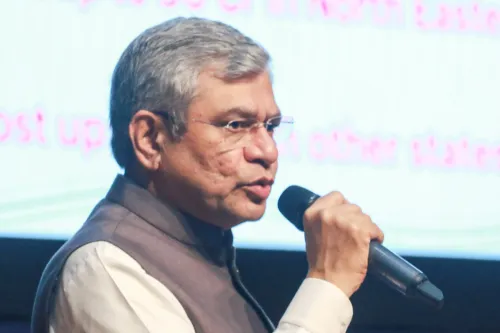
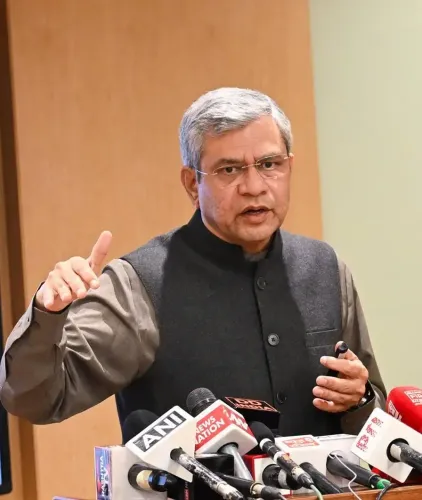
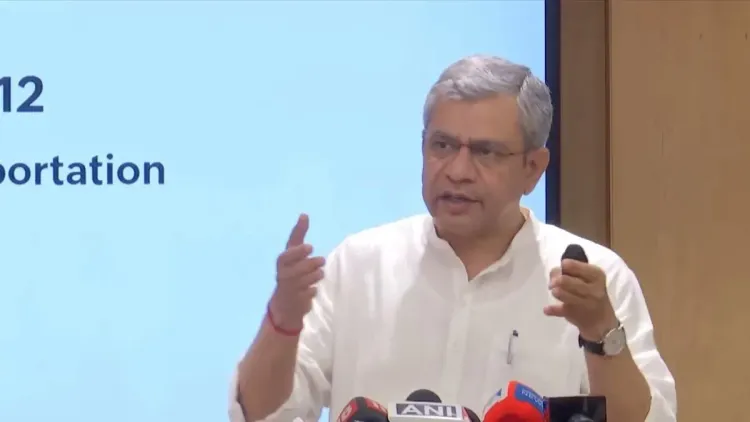
Union Minister Ashwini Vaishnaw on 14 July 2026 announced reforms to modernise fertiliser transportation on Indian Railways, introducing container-based movement, a simplified freight structure, and faster multi-location distribution as part of the broader rail freight modernisation drive.
Key Takeaways
Union Minister Ashwini Vaishnaw announced fertiliser freight reforms on 14 July 2026 via a post on X.
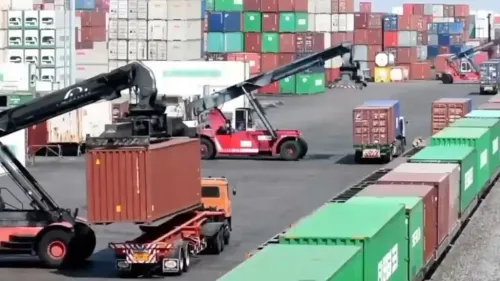
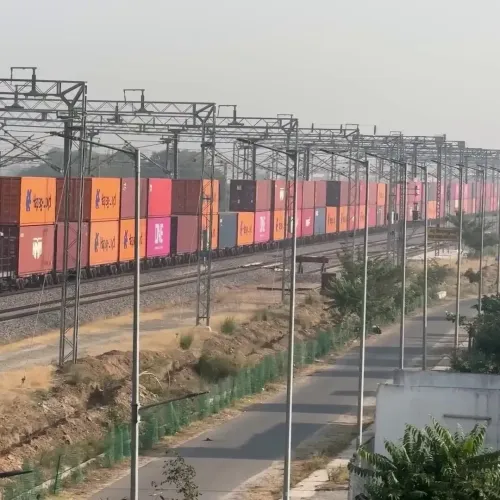
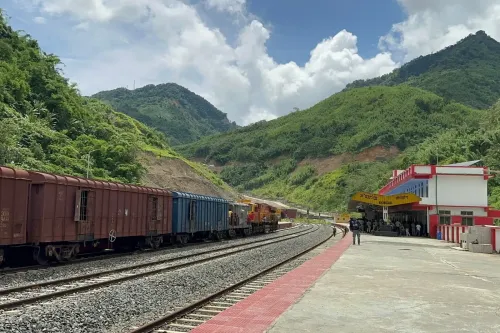
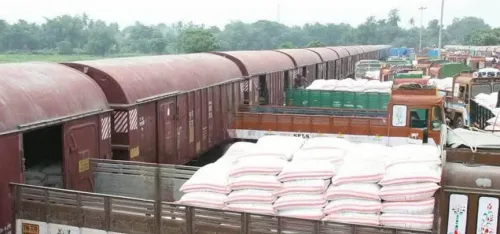
The reforms introduce container-based transportation of fertilisers on Indian Railways, replacing traditional bulk wagon-load methods.
A simplified freight structure is part of the package, aimed at reducing administrative complexity for bulk consignors.
The changes target faster distribution across locations , with direct benefits for farmers dependent on timely fertiliser supply.
The reforms align with the National Logistics Policy 2022 and the PM Gati Shakti multimodal connectivity framework.
Similar freight-structure simplifications have previously been applied to coal, cement, and steel sectors on Indian Railways.
Union Minister Ashwini Vaishnaw announced a set of railway reforms on Tuesday, 14 July 2026, aimed at making fertiliser transportation faster and more efficient through container-based movement, a simplified freight structure, and faster distribution across locations. The announcement, shared on X, positions the changes as part of a broader modernisation drive for Indian Railways' freight operations.
Context
Vaishnaw's post outlined three specific reform pillars: container-based transportation of fertilisers, a simplified freight structure, and faster distribution across locations. The framing — 'Reforms to modernise railways' — signals these are structural changes to how one of India's most critical agricultural inputs moves across the country, rather than incremental tweaks.
Fertiliser is among the highest-volume bulk commodities on the Indian rail network. Delays in its distribution directly affect farm input availability, particularly at the start of kharif and rabi sowing seasons, making logistics efficiency a matter of agricultural urgency.
Policy Backdrop
The reforms sit within a decade-long policy push to raise Indian Railways' share of national freight traffic. The National Logistics Policy of 2022 set explicit targets for reducing overall logistics costs, with rail-focused reforms and simplified tariffs as core instruments. Container train operations for commodities including fertilisers were expanded from the mid-2000s onward as part of an intermodal freight strategy.
The Dedicated Freight Corridors (DFCs) — the Eastern and Western corridors — have been central to this shift, separating freight movement from passenger traffic to improve speed and reliability. Similar freight-structure simplifications have already been applied to coal, cement, and steel, and the fertiliser sector now appears to be the next in line for the same treatment.
These steps also align with the PM Gati Shakti multimodal connectivity framework, which targets reduced transit times and costs for agricultural inputs by integrating road, rail, and port infrastructure planning.
Stakeholders and Impact
Farmers stand to benefit most directly if fertiliser reaches mandis and distribution points faster and at lower logistics cost. Delays in fertiliser supply have historically caused input shortages during critical sowing windows, and any reduction in transit time translates into improved availability on the ground.
Fertiliser manufacturers and bulk distributors are the other key stakeholders. Container-based movement, as opposed to traditional wagon-load consignments, offers better tracking, reduced handling losses, and greater flexibility in routing — advantages that can lower per-unit distribution costs. A simplified freight structure reduces administrative friction for companies managing large, multi-destination consignment networks.
The shift also has implications for Indian Railways' own revenue mix. Fertiliser is a regulated commodity with freight rates that have historically been subsidised; structural reforms that improve turnaround times and reduce empty-rake running can improve the commercial viability of these routes even within existing tariff constraints.
What's Next
The immediate focus will be on rollout timelines for new container rakes on fertiliser routes and any corresponding adjustments in freight infrastructure allocation. Whether these reforms involve new rake inductions, route-specific DFC integration, or tariff rationalisation — or a combination of all three — will determine the pace and scale of impact.
With Vaishnaw holding concurrent charge of the Railways portfolio alongside Information & Broadcasting and Electronics & IT, the ministry has signalled that logistics modernisation remains a live priority. The fertiliser freight reform, if implemented at scale, would mark a significant extension of the container revolution that has already reshaped how India moves coal and cement by rail.
Point of View
And fertiliser is now being brought into the container economy. The political timing is notable: agricultural input costs and availability remain sensitive issues, and demonstrating infrastructure-led relief for farmers carries electoral as well as policy weight. The container pivot also signals a structural shift away from the Railways' historically opaque freight tariff regime toward a more intermodal, market-legible model. If implementation follows through at the pace suggested, it could meaningfully strengthen the Railways' case as a preferred freight carrier for regulated agricultural commodities.
NationPress
14 Jul 2026
Frequently Asked Questions
What are the fertiliser railway reforms announced by Ashwini Vaishnaw?
Union Minister Ashwini Vaishnaw announced three reforms on 14 July 2026: container-based transportation of fertilisers on Indian Railways, a simplified freight structure, and faster distribution across multiple locations.
How does container-based fertiliser transport work on Indian Railways?
Container-based transport moves fertiliser in standardised containers on flatbed rakes rather than in loose bulk wagons, enabling better tracking, reduced handling losses, and more flexible multi-point routing across the rail network.
What is PM Gati Shakti and how does it relate to fertiliser logistics?
PM Gati Shakti is a multimodal national infrastructure connectivity framework that integrates road, rail, and port planning. Fertiliser freight reforms on Indian Railways form part of this initiative's goal to cut transit times and costs for agricultural inputs.
How will faster fertiliser rail distribution help farmers?
Faster rail distribution means fertiliser reaches local mandis and distribution points before critical sowing windows for kharif and rabi crops, reducing the risk of input shortages that have historically disrupted planting schedules.
Which other commodities have already seen similar freight reforms on Indian Railways?
Coal, cement, and steel have already undergone freight-structure simplifications on Indian Railways. Fertiliser is now being brought into the same modernised framework, extending the container and tariff reform model to agricultural inputs.