Will Indian Railways Implement Continuous Train Cleaning and Cargo Reforms?
Synopsis
Indian Railways is set to revolutionize passenger travel experience with continuous cleaning reforms and cargo improvements as part of its plan for 2026. Union Minister Ashwini Vaishnaw details these ambitious changes aimed at enhancing cleanliness and operational efficiency.
Key Takeaways
Indian Railways is implementing continuous cleaning for all coaches.
The reforms aim to enhance passenger travel experience.
Modern technologies and practices are being adopted.
Initial rollout includes 80 trains across various zones.
Cleaning services will be managed by a single agency for efficiency.
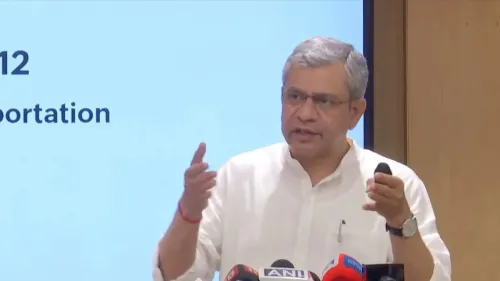
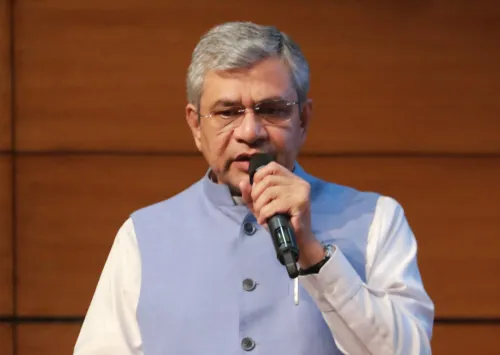
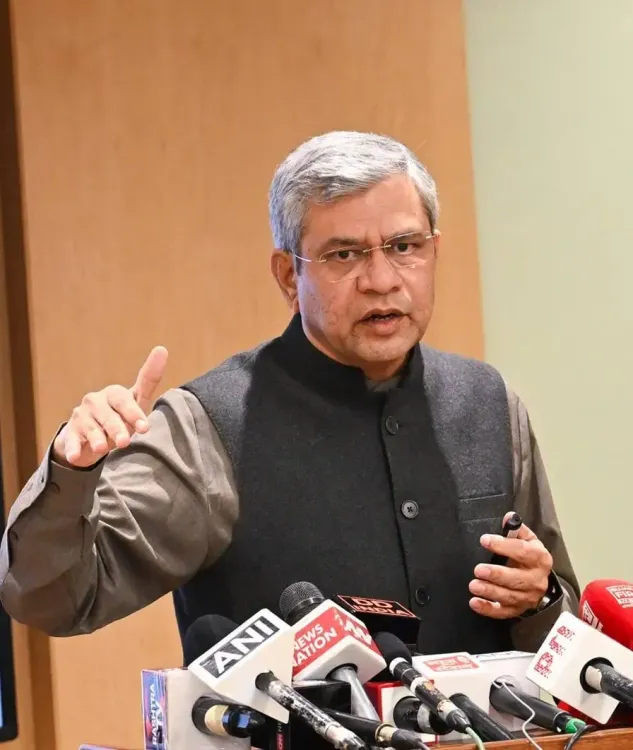
New Delhi, Feb 14 (NationPress) Union Minister for Railways, Information and Broadcasting, and Electronics & Information Technology, Ashwini Vaishnaw, revealed two significant reforms endorsed by Indian Railways as part of its initiative to execute “52 reforms in 52 weeks” during 2026.
He emphasized that reforms should be seen as an ongoing strategy rather than isolated decisions, with the aim of consistently enhancing the railway framework.
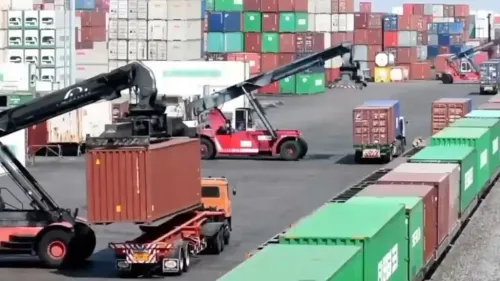
According to the Minister, the benefits of persistent reforms are already noticeable, with Indian Railways ranking as the second largest cargo transporter globally.
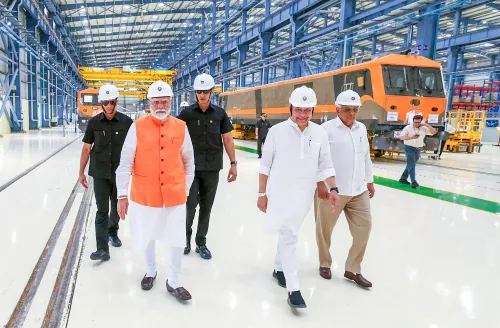
“The implementation of modern trains and innovative operational practices is underway across the network,” Vaishnaw stated.
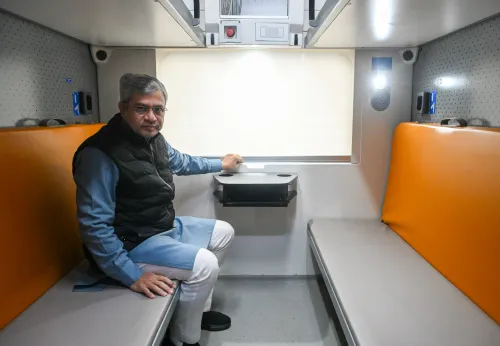
Describing the first reform, he noted that starting from 2026, Indian Railways will initiate comprehensive end-to-end cleaning for trains, particularly for long-distance routes.
“Previously, deep cleaning was primarily confined to reserved coaches. For the very first time in railway history, general coaches will be fully integrated into the regular cleaning regime,” the Minister added.
He explained that the earlier “Clean Train Station” model, which limited thorough cleaning to select stations, will be replaced by a continuous cleaning system, active throughout every journey from the train’s origin to its destination.
“The cleanliness of toilets, garbage bins, interiors, water supply, and minor electrical or mechanical issues, like faulty lights, will be addressed during the trip, offering passengers a much cleaner and more pleasant travel environment,” he remarked.
The Minister stated that this reform aims to significantly enhance the passenger travel experience. Following discussions with Zonal Railways, four to five trains per zone—primarily long-distance and high-traffic trains—will be selected for implementation over the next six months.
In the initial phase, 80 trains from various zones have already been earmarked. Over the subsequent three years, the initiative will be broadened to encompass all trains, with selections made by railway managers based on operational needs and ground-level insights.
“Professional, technology-driven teams will be employed under explicit Service Level Agreements defining the frequency of cleaning,” the Union Minister elaborated.
“Cleaning frequency will be elevated during peak hours and reduced during off-peak times. Continuous toilet sanitation, garbage disposal, interior cleaning, linen management, and related services will be guaranteed,” Vaishnaw added.
He further mentioned that linen distribution, collection, and cleaning, which were previously managed by multiple agencies, will now be consolidated and assigned to a single agency.
Point of View
I can affirm that the reforms announced by Indian Railways reflect a significant step towards enhancing passenger satisfaction and operational efficiency. The commitment to continuous improvement aligns with the growing demands of modern travelers, ensuring Indian Railways remains a vital component of our transportation infrastructure.
NationPress
3 Oct 2026
Frequently Asked Questions
What are the main reforms announced by Indian Railways?
Indian Railways announced two main reforms: the introduction of continuous train cleaning and enhancements in cargo operations as part of their '52 reforms in 52 weeks' initiative for 2026.
When will the new cleaning system be implemented?
The continuous cleaning system is set to be implemented starting in 2026.
How will the cleaning process change?
The cleaning process will now cover all coaches, including general coaches, and will ensure cleanliness throughout the journey, addressing various cleanliness issues in real time.
What is the goal of these reforms?
The goal of these reforms is to significantly improve the passenger experience and operational efficiency within Indian Railways.
How many trains will be initially included in the cleaning reform?
In the first phase, 80 trains across different zones have already been identified for the new cleaning reform.