Vaishnaw highlights Kashmir cherries reaching Mumbai via rail
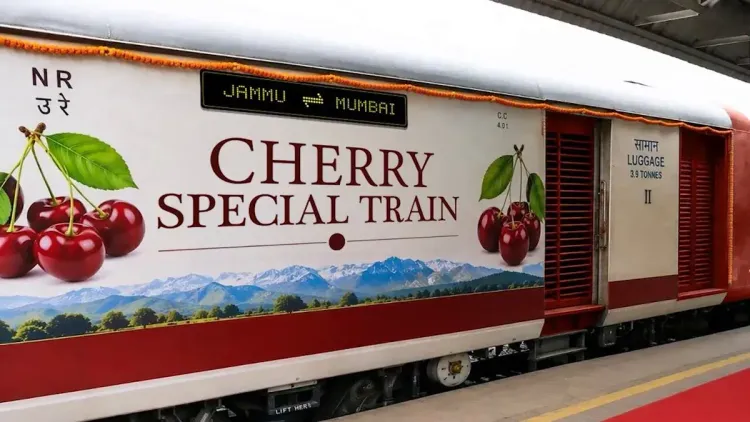
Synopsis
Union Minister Ashwini Vaishnaw spotlighted Indian Railways moving Kashmir Valley cherries to Mumbai markets, highlighting expanded rail freight for J&K farmers and the ministry's focus on agricultural logistics as a livelihood support tool.
Key Takeaways
Union Minister Ashwini Vaishnaw on 25 May 2026 highlighted the movement of fresh cherries from the Kashmir Valley to Mumbai via Indian Railways.
The post underlines Indian Railways' expanding role in transporting perishable horticultural produce from Jammu and Kashmir to distant urban markets.
The Udhampur-Srinagar-Baramulla Rail Link (USBRL) has been the key infrastructure enabling rail integration of the Kashmir Valley with the national network since 2009 .
Indian Railways has operated refrigerated parcel vans and dedicated freight services for J&K horticultural produce in phases since 2014 .
Faster rail transit reduces spoilage and improves price realisation for Kashmir cherry farmers and fruit traders.
Potential scale-up of refrigerated rake capacity and inclusion of other produce such as apples in dedicated services is being watched for the coming harvest season.
Union Minister Ashwini Vaishnaw on Monday, 25 May 2026, highlighted the movement of fresh cherries from the Kashmir Valley to Mumbai markets via Indian Railways, underlining the role of rail connectivity in linking Jammu and Kashmir farmers to distant commercial hubs. The post, shared on X, pointed to expanding reach and livelihood support for fruit growers in the region.
Context
The minister's post — 'Cherries from the valley to Mumbai markets. Connecting Jammu and Kashmir farmers to new opportunities. Expanding reach, supporting livelihoods' — was accompanied by a video, underscoring the visible, on-ground movement of horticultural produce through the national rail network. Kashmir is among India's foremost cherry-producing regions, with the fruit harvested in a narrow summer window, making fast, reliable transit to urban markets critical for farmer incomes.
The post comes as Indian Railways has progressively expanded parcel and freight services for perishable goods from J&K, including the use of refrigerated parcel vans on long-distance routes. Cutting transit time from the valley to markets such as Mumbai directly affects the shelf life and price realisation of the fruit.
Policy Backdrop
The Udhampur-Srinagar-Baramulla Rail Link (USBRL) project has been the backbone of rail integration for the Kashmir Valley with the national network, with phases completed progressively since 2009. Full connectivity through this corridor has been a stated priority to reduce the region's dependence on road transport, which is vulnerable to weather disruptions and higher logistics costs.
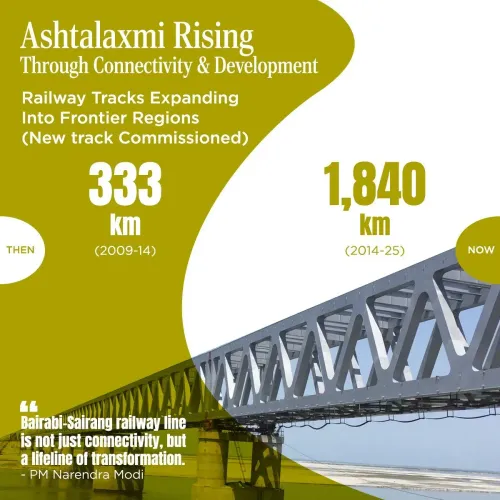
Since 2014, Indian Railways has expanded dedicated horticultural freight services from J&K in phases, covering apples, cherries, and other produce. The post-2019 administrative reorganisation of J&K as a Union Territory has been accompanied by a renewed infrastructure push, with rail logistics forming a key pillar of the economic integration agenda. Similar dedicated produce corridors have been rolled out for Himalayan and northeastern regions as part of a broader national pattern.
Stakeholders and Impact
Kashmir Valley cherry farmers and fruit traders stand as the most direct beneficiaries of improved rail freight access. Faster, cost-effective transit to large consumption centres such as Mumbai reduces spoilage, improves price discovery, and reduces dependence on intermediaries who benefit from supply-chain friction.
For consumers in Maharashtra and other western Indian states, reliable rail links mean fresher produce at more competitive prices. The broader agricultural logistics ecosystem — cold-chain operators, parcel handlers, and freight forwarders — also gains from increased volumes moving through the rail network.
What's Next
Attention will now turn to whether Indian Railways scales up refrigerated rake capacity from J&K for the remainder of the cherry season and whether other horticultural produce — such as apples during the autumn harvest — is brought under similar dedicated freight arrangements. The rollout of additional refrigerated services and potential inclusion of vegetables in dedicated parcel trains are being watched as the next markers of progress on this connectivity agenda.
Vaishnaw's post signals continued political and administrative focus on rail-based agricultural logistics as a tool for farmer welfare in Jammu and Kashmir, a theme likely to feature prominently in the ministry's communications through the harvest season.
Point of View
Framing Indian Railways not merely as a transport utility but as an instrument of farmer welfare and regional economic integration in Jammu and Kashmir. It fits a consistent post-2019 pattern of using visible, tangible infrastructure outcomes in J&K to signal the dividends of the Union Territory reorganisation. The agricultural logistics angle is politically durable — it connects rail policy to rural livelihoods without entering contentious political territory. Sustained follow-through on refrigerated freight capacity will determine whether the initiative translates into measurable income gains for valley farmers or remains primarily a communications exercise.
NationPress
21 Oct 2026
Frequently Asked Questions
How are Kashmir cherries being sent to Mumbai?
Indian Railways transports fresh cherries from the Kashmir Valley to Mumbai using freight and parcel services, including refrigerated parcel vans, on long-distance rail routes connecting J&K with major urban markets.
What is the USBRL project and why does it matter for Kashmir farmers?
The Udhampur-Srinagar-Baramulla Rail Link (USBRL) is a major rail connectivity project linking the Kashmir Valley to the national rail network, reducing dependence on road transport and enabling faster, more reliable movement of perishable produce such as cherries and apples to distant markets.
What did Ashwini Vaishnaw post about Kashmir cherries?
Union Minister Ashwini Vaishnaw posted on 25 May 2026 highlighting the shipment of cherries from the Kashmir Valley to Mumbai markets via Indian Railways, emphasising expanded farmer reach and livelihood support.
Does Indian Railways have special trains for fruit from Jammu and Kashmir?
Yes, Indian Railways has operated dedicated freight and parcel services for horticultural produce from J&K in phases since 2014 , including refrigerated parcel vans designed to preserve perishable goods such as cherries and apples during long-distance transit.
How does rail connectivity help Kashmir cherry farmers?
Rail connectivity reduces transit time and logistics costs compared to road transport, lowers spoilage of perishable fruit, improves price realisation for Kashmir cherry farmers, and opens access to large consumption centres such as Mumbai that would otherwise be difficult to reach competitively.