Vaishnaw highlights DFCs cutting logistics costs, doubling cargo speed
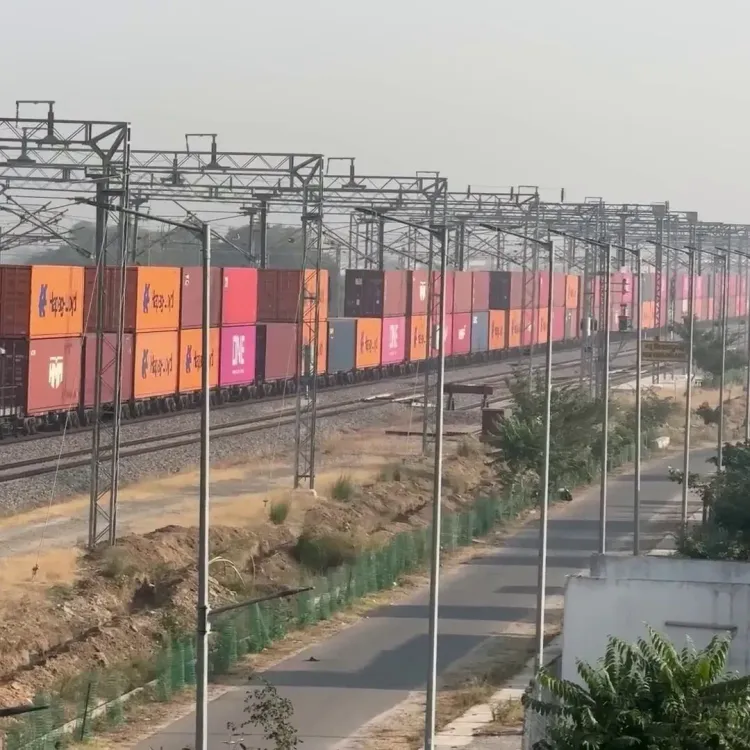
Synopsis
Union Minister Ashwini Vaishnaw has highlighted India's Dedicated Freight Corridors as a key tool for cutting the country's logistics costs, claiming cargo is now moving at double the speed. The remark is part of a broader infrastructure thread, anchored in a multi-year policy effort spanning DFCCIL, PM Gati Shakti, and the National Logistics Policy.
Key Takeaways
Union Minister Ashwini Vaishnaw cited Dedicated Freight Corridors as a primary lever for reducing India's logistics costs in a June 2026 post.
The Western DFC spans 1,506 km from Dadri to Jawaharlal Nehru Port ; the Eastern DFC covers 1,337 km from Ludhiana to Dankuni .
India's logistics costs are estimated at around 14% of GDP , well above the global benchmark; the National Logistics Policy (2022) targets single-digit levels.
DFCCIL was incorporated in 2006 as the dedicated PSU to build and operate the corridors under the Ministry of Railways.
The corridors are integrated into the PM Gati Shakti National Master Plan (2021) , coordinating rail, road and port infrastructure.
Full commissioning data and potential tendering for North-South and East-West corridors are the next milestones to watch.
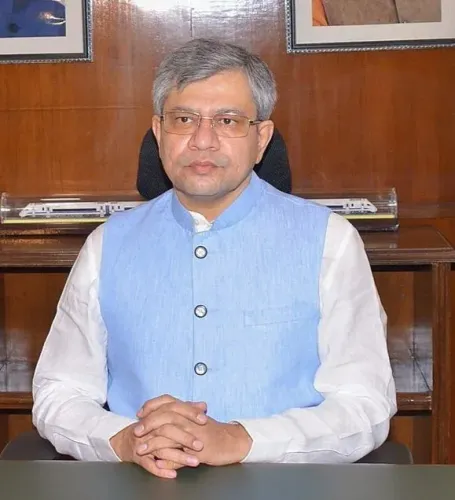
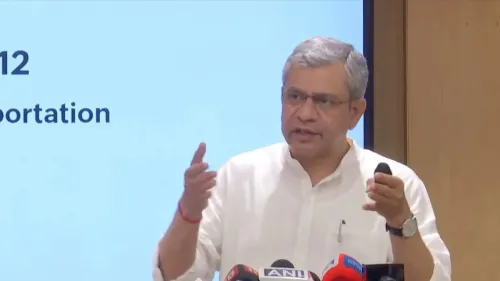
Union Minister Ashwini Vaishnaw on Wednesday, June 10, 2026, highlighted India's Dedicated Freight Corridors as a key driver in reducing the country's logistics costs, stating that the corridors are 'moving cargo at double the speed.' The post, part of a numbered thread on infrastructure reforms, listed logistics cost reduction as point seven in the series.
Context
The minister's post is part of a running thread cataloguing infrastructure achievements, with logistics cost reduction featuring as the seventh point. India's logistics costs have long been estimated at around 14% of GDP — significantly higher than the global benchmark of 8–10% — making freight efficiency a central concern for industrial competitiveness. The Dedicated Freight Corridors are the flagship infrastructure response to this structural gap.
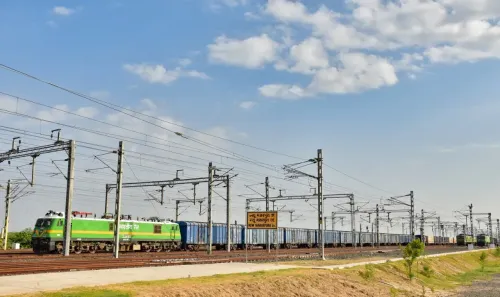
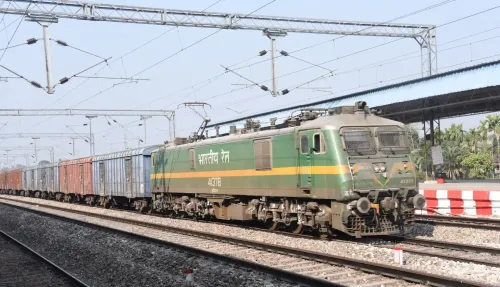
The Dedicated Freight Corridor Corporation of India Ltd (DFCCIL), a public sector undertaking under the Ministry of Railways, was incorporated in 2006 as the special purpose vehicle to build and operate these corridors. Two primary routes form the backbone of the project: the Western Dedicated Freight Corridor (WDFC), a 1,506-km route from Dadri to Jawaharlal Nehru Port, and the Eastern Dedicated Freight Corridor (EDFC), a 1,337-km electrified route from Ludhiana to Dankuni.
Policy Backdrop
The government approved the Dedicated Freight Corridors project in 2006 with the explicit goal of segregating freight and passenger traffic on heavily congested trunk routes. Revised sanctions and accelerated funding followed in 2015, with construction contracts awarded from 2016 onward. The corridors were designed to allow heavier axle loads and higher operating speeds than mixed-traffic lines, directly addressing the twin bottlenecks of transit time and capacity.
The project was subsequently integrated into the PM Gati Shakti National Master Plan, launched in 2021, which coordinates rail, road and port infrastructure in a unified planning framework. The National Logistics Policy, launched in 2022, set an explicit target of bringing logistics costs down from the estimated 14% of GDP toward single digits, with the DFCs serving as a cornerstone of that ambition. Together, these programmes represent a multi-year policy arc aimed at raising rail's share of freight traffic from roughly 30% toward 40%.
Stakeholders and Impact
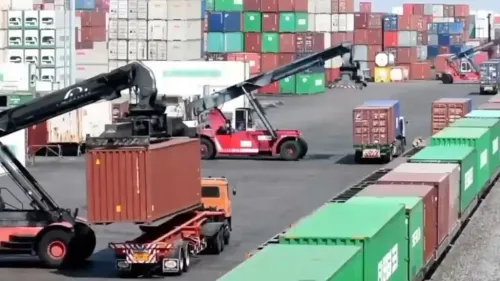
Exporters, freight operators, port authorities and the broader manufacturing sector stand to benefit most directly from faster and cheaper freight movement. By moving bulk commodity trains off congested mixed-traffic lines, the corridors free up capacity for passenger services while simultaneously cutting transit times and inventory-holding costs for industry. Multimodal logistics parks and port modernisation initiatives are designed to work in tandem with the corridors to deliver end-to-end supply chain improvements.
The double-speed claim referenced by the minister reflects the design advantage of dedicated lines, where freight trains are no longer slowed by the need to yield to faster passenger services. This structural separation is widely regarded among logistics planners as the single most impactful intervention available within the rail network.
What's Next
Attention will now turn to full commissioning data for both the Eastern and Western DFCs, including freight volumes and tariff benchmarks that will determine whether the logistics cost targets set under the National Logistics Policy are being met. Any cabinet approvals or tendering activity for the proposed North-South and East-West corridors would mark the next phase of expansion. If the DFC model delivers measurable cost reductions at scale, it could accelerate the case for extending the dedicated-corridor network further across the country, deepening India's infrastructure push ahead of its manufacturing competitiveness goals.
Point of View
Where high supply-chain costs have historically been cited as a structural drag on manufacturing. The framing of 'double the speed' is designed to make an engineering achievement legible to a general audience, translating capital expenditure into a tangible economic benefit. Whether the claim holds up to freight-volume and cost data will determine how durable the political dividend from this infrastructure push proves to be.
NationPress
25 Oct 2026
Frequently Asked Questions
What are India's Dedicated Freight Corridors?
India's Dedicated Freight Corridors are rail lines built exclusively for freight trains, separating cargo movement from passenger traffic to allow higher speeds and heavier loads. The two main corridors are the Western DFC (Dadri to Jawaharlal Nehru Port, 1,506 km) and the Eastern DFC (Ludhiana to Dankuni, 1,337 km), both operated by DFCCIL under the Ministry of Railways.
How do Dedicated Freight Corridors reduce logistics costs in India?
By running freight trains on dedicated lines without competing with passenger services, the corridors cut transit times significantly, reducing inventory-holding and transportation costs for exporters and manufacturers. India's logistics costs are estimated at around 14% of GDP, and the National Logistics Policy targets bringing this toward single digits partly through DFC operations.
What is the PM Gati Shakti plan and how does it relate to freight corridors?
PM Gati Shakti National Master Plan, launched in 2021, is a unified infrastructure planning framework that integrates rail, road and port projects including the Dedicated Freight Corridors to reduce multi-modal transit times and logistics costs across India.
What corridors are planned after the Eastern and Western DFCs?
The government has proposed North-South and East-West Dedicated Freight Corridors as the next phase of expansion, though cabinet approvals and tendering for these routes remain the key milestones to watch.