Tharoor Flags 16-Hour NY-India Flight Due to Pakistan Airspace Ban
Synopsis
Congress MP Dr. Shashi Tharoor flagged the real-world cost of India-Pakistan tensions while boarding a New York-to-India flight, noting the journey stretches to 16 hours because Pakistan bars Air India from its airspace — a restriction in place since the 2019 Pulwama-Balakot standoff.
Key Takeaways
Shashi Tharoor posted from New York on July 15, 2026 , highlighting a 16-hour New York-to-India flight time on Air India .
Pakistan has barred Indian-registered aircraft from its airspace since February 2019 , following the Pulwama attack and Balakot airstrike .
The closure forces Air India to reroute flights via Afghanistan or the Arabian Sea , significantly extending journey times.
The restriction places Indian carriers at a competitive disadvantage against international airlines that retain overflight access to Pakistani airspace.
No bilateral aviation agreement or confidence-building measure has yet restored normal overflight rights for Indian carriers.
The Ministry of Civil Aviation and forums like SAARC and SCO have been identified as potential avenues for resolving the impasse.
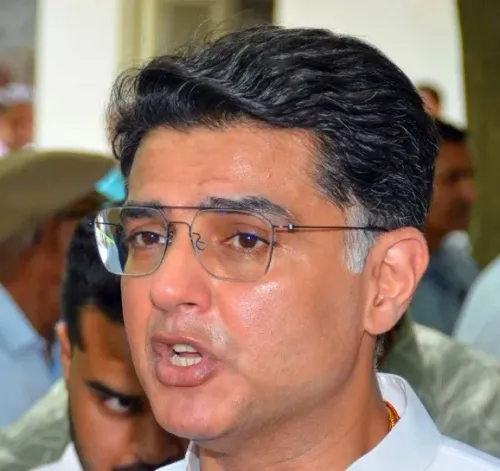
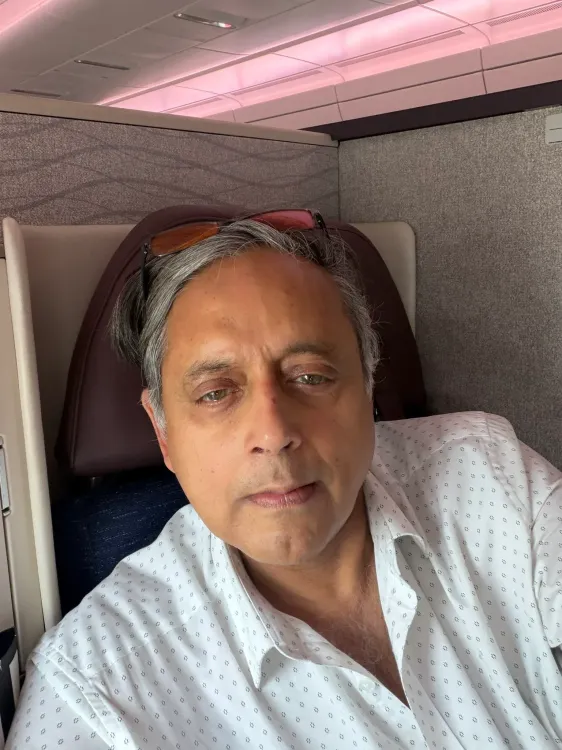
Congress MP Dr. Shashi Tharoor on Tuesday, July 15, 2026, highlighted the extended travel time on his New York-to-India flight, attributing the roughly 16-hour journey to Pakistan's continued restrictions on Air India flying over its airspace — a policy fallout from the 2019 India-Pakistan military standoff that continues to affect Indian carriers and their passengers.
Context
Posting from New York ahead of his departure, Dr. Tharoor wrote: 'Taking off for India from NY! 16 hours because of the restrictions on Air India flying over Pakistan's airspace. Consolation: At least silence from me for 16 hours!' The remark, characteristic of his self-deprecating wit, drew attention to a structural aviation problem that has persisted for over seven years.
The post underscores how a geopolitical dispute continues to have a very practical impact on ordinary air travel between North America and the Indian subcontinent.
Policy Backdrop
Pakistan shut its airspace to Indian-registered aircraft following the February 2019 Pulwama attack and the subsequent Balakot airstrike by the Indian Air Force. With the direct overflight corridor closed, Indian carriers including Air India have been forced to reroute flights via Afghanistan or the Arabian Sea, adding significant time and fuel costs to transatlantic and North American routes.
These reciprocal airspace denials have remained in place in the absence of any bilateral aviation agreement or meaningful confidence-building measures between New Delhi and Islamabad. The added flight time — sometimes exceeding an hour or more depending on the route — translates directly into higher operational costs for airlines and longer journeys for passengers.
Stakeholders and Impact
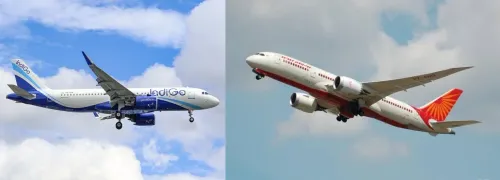
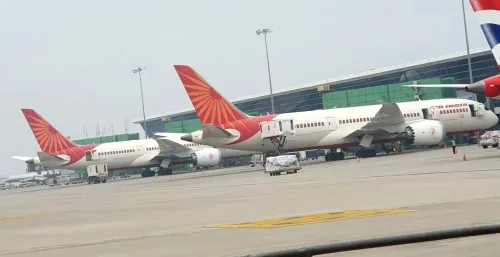
Air India, India's flag carrier, bears a disproportionate share of the burden since it is specifically barred as an Indian-registered airline. Passengers on US-India routes — a corridor that carries a large volume of the Indian diaspora, business travellers, and students — face extended schedules as a result. Competing international carriers that are not subject to the ban can fly shorter, more fuel-efficient paths over Pakistani territory.
The cost asymmetry puts Indian airlines at a competitive disadvantage on some of the world's busiest long-haul routes. Fuel surcharges and scheduling inefficiencies ultimately filter through to ticket prices, affecting millions of travellers annually.
What's Next
Aviation analysts and industry bodies have periodically called on the Ministry of Civil Aviation and the Directorate General of Civil Aviation (DGCA) to pursue route optimisation and diplomatic engagement on overflight rights. Multilateral forums such as SAARC and the Shanghai Cooperation Organisation (SCO) have been cited as potential platforms where aviation cooperation could be placed on the agenda, though no concrete bilateral talks on the matter have been publicly confirmed.
Until a diplomatic resolution normalises overflight access, Indian carriers and their passengers will continue to absorb the cost — in time, fuel, and money — of a geopolitical standoff that began on the ground but plays out daily in the skies.
Point of View
Lending political visibility to what is usually framed as an airline-industry grievance. The remark lands at a moment when the Modi government faces periodic pressure to demonstrate diplomatic progress with Islamabad, and any softening on airspace access could be read as a confidence-building signal. By naming Air India specifically, Tharoor also implicitly spotlights the competitive disadvantage India's flag carrier faces against foreign rivals on lucrative transatlantic routes. The post may nudge the Ministry of Civil Aviation and the foreign policy establishment to address the issue more publicly.
NationPress
14 Jul 2026
Frequently Asked Questions
Why does Air India take 16 hours from New York to India?
Air India is barred from flying over Pakistan's airspace since 2019, forcing it to reroute via Afghanistan or the Arabian Sea, which adds significant time to US-India flights. This is what Dr. Shashi Tharoor highlighted in his July 2026 post.
When did Pakistan close its airspace to Indian aircraft?
Pakistan closed its airspace to Indian-registered aircraft in February 2019, following the Pulwama terror attack and India's Balakot airstrike. The restriction has remained in place since then.
Does the Pakistan airspace ban affect all Indian airlines?
The ban applies to Indian-registered carriers, including Air India. Foreign airlines are not subject to the restriction and can continue to use shorter routes over Pakistani territory.
What is the normal flight time from New York to India without the Pakistan airspace ban?
Direct overflight via Pakistan would shorten the New York-to-India route considerably. The exact time saved depends on the destination city, but the reroute can add one hour or more to the journey.
Has India tried to resolve the Pakistan airspace restriction?
No publicly confirmed bilateral talks have resolved the issue as of mid-2026. Aviation bodies and analysts have suggested forums like SAARC and SCO as potential platforms for airspace cooperation between India and Pakistan.