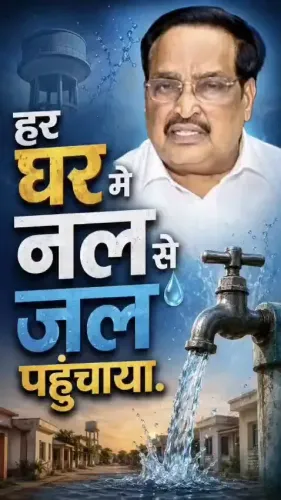
Centre signs Jal Jeevan Mission 2.0 MoUs with 4 states, Puducherry for rural water
Synopsis
The Centre has formally pivoted Jal Jeevan Mission into a 2.0 phase — and the new MoUs with Arunachal Pradesh, Jharkhand, Tamil Nadu, Nagaland and Puducherry signal the shift. The focus is no longer just new tap connections; it is sustaining them, with gram panchayats placed at the heart of rural water governance.
Key Takeaways
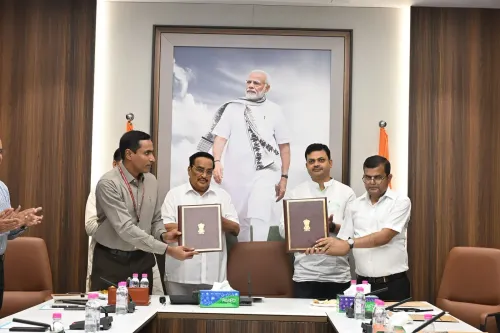
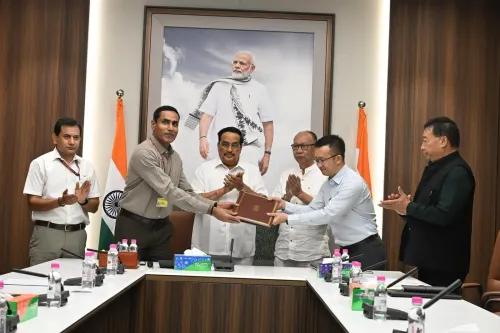
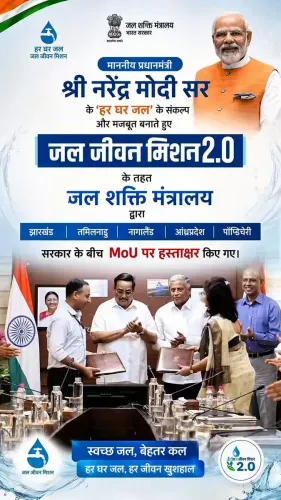
The Centre signed Jal Jeevan Mission 2.0 MoUs with Arunachal Pradesh , Jharkhand , Tamil Nadu , Nagaland and the UT of Puducherry on 2 June .
The MoUs mandate a gram panchayat-led , service-based and community-centred model of rural water governance.
Union Jal Shakti Minister C.R.
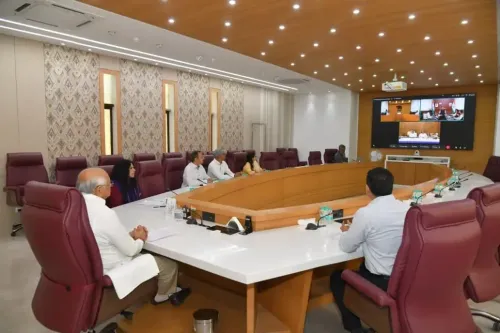
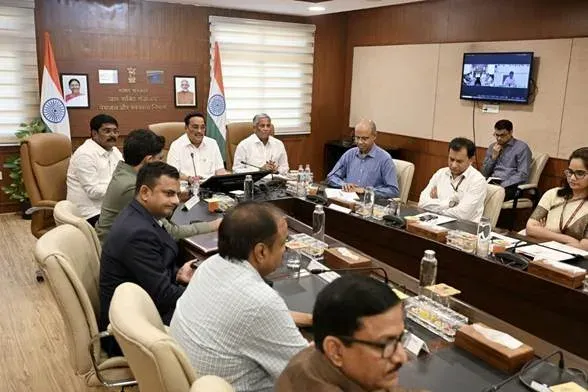
Paatil and DDWS Secretary Ashok Meena oversaw the signings via five online video conferences.
Focus areas: tap functionality, water quality, source sustainability, community ownership and regular monitoring.
District Water and Sanitation Mission meetings to be held regularly by all district collectors to certify panchayats for managing rural water supply.
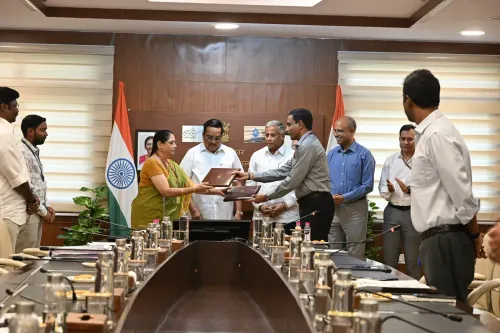
The Centre on Tuesday, 2 June, signed Memoranda of Understanding (MoUs) under Jal Jeevan Mission 2.0 with four states — Arunachal Pradesh, Jharkhand, Tamil Nadu, and Nagaland — and the Union Territory of Puducherry, in a fresh push to strengthen safe drinking water supply across rural India. The reform-linked pacts mandate a gram panchayat-led, service-based and community-centred model of rural water governance.
What the MoUs cover
According to a statement issued by the Ministry of Jal Shakti, the agreements seek to ensure that every rural household has access to quality drinking water in adequate quantity on a regular basis, through strengthened community participation. The MoUs aim to bring structural reforms for sustainable operation and maintenance of rural water supply systems, thereby enhancing living standards and contributing to long-term water security.
Who signed and where
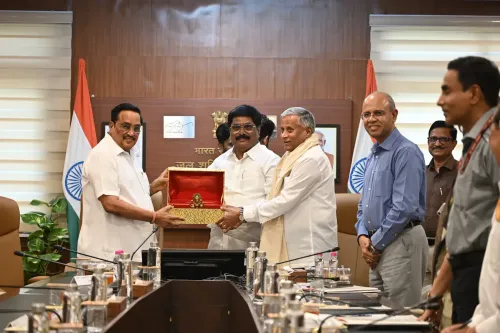
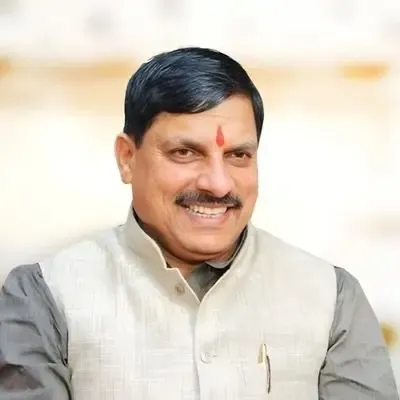
The MoUs were signed in the presence of Union Jal Shakti Minister C.R. Paatil, the Chief Ministers of the respective states, and senior officials from the Centre's Department of Drinking Water and Sanitation (DDWS), including Secretary Ashok Meena. The signings took place across five separate meetings conducted via online video conferences.
What the Minister said
Addressing the gathering, Paatil said the Jal Jeevan Mission, launched under the leadership of Prime Minister Narendra Modi, has transformed rural drinking water supply and reduced the ordeal of fetching water, especially for women and girls. Under Jal Jeevan Mission 2.0, he said, the focus has shifted to sustaining the infrastructure created under the Mission — including functionality of tap connections, water quality, source sustainability, community ownership and regular monitoring.
The Minister also stressed the need for water conservation, rainwater harvesting, groundwater recharge, greywater management, catchment area protection, and community-based water quality monitoring. He said Gram Panchayats, District Water and Sanitation Missions, State Water and Sanitation Missions, and local communities must work together to ensure reliable drinking water services.
Institutional push from the Centre
Emphasising the importance of institutional mechanisms for sustainable water service delivery, DDWS Secretary Ashok Meena said District Water and Sanitation Mission meetings should be conducted regularly by all district collectors. Timely meetings, he noted, would facilitate the preparation of village action plans and support the certification of panchayats as capable institutions for managing rural water supply systems.
What happens next
Meena underlined that district administrations would play a crucial role in monitoring implementation, conducting periodic reviews, and extending necessary support to gram panchayats whenever required. With Jal Jeevan Mission 2.0 now anchored to verifiable service delivery rather than only new connections, execution at the panchayat level is set to become the key test of the programme's next phase.
Point of View
Water quality and source sustainability is the right structural pivot, but it is also the harder one. The real test will be whether district collectors actually hold regular DWSM meetings and whether panchayats get the technical capacity to manage what they have been handed — areas where past rural schemes have repeatedly stumbled.
NationPress
18 Oct 2026
Frequently Asked Questions
What is Jal Jeevan Mission 2.0?
Jal Jeevan Mission 2.0 is the next phase of the Centre's flagship rural drinking water programme, shifting focus from creating new tap connections to sustaining them. Priorities include tap functionality, water quality, source sustainability, community ownership and regular monitoring through gram panchayats.
Which states signed MoUs with the Centre on 2 June?
Arunachal Pradesh, Jharkhand, Tamil Nadu and Nagaland signed MoUs with the Centre, along with the Union Territory of Puducherry. The agreements were signed via five separate online video conferences in the presence of Union Jal Shakti Minister C.R. Paatil.
What role will gram panchayats play under the new MoUs?
Gram panchayats will lead rural water governance under the reform-linked MoUs, taking responsibility for service delivery, operation and maintenance of water supply systems. They will be certified as capable institutions through District Water and Sanitation Mission processes.
Why does Jal Jeevan Mission 2.0 matter for rural households?
It seeks to ensure every rural household has regular access to adequate, quality drinking water, reducing the burden of fetching water that has historically fallen on women and girls. The shift to a service-based model is aimed at preventing the infrastructure built under the first phase from falling into disrepair.
Who oversaw the signing of the MoUs?
Union Jal Shakti Minister C.R. Paatil, the Chief Ministers of the respective states, and senior officials from the Department of Drinking Water and Sanitation, including Secretary Ashok Meena, oversaw the signings.