Jal Shakti Minister Paatil Signs JJM 2.0 MoU with Manipur
Synopsis
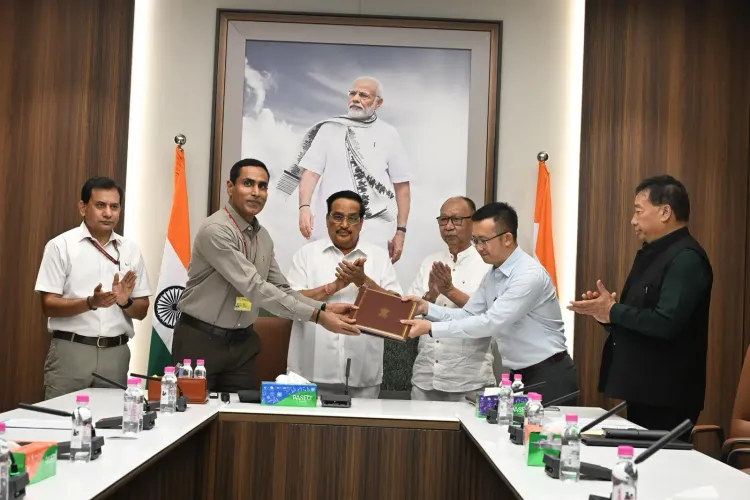
Union Jal Shakti Minister C. R. Paatil signed a Jal Jeevan Mission 2.0 MoU with Manipur on 10 June 2026, with CM Yumnam Khemchand Singh present. The pact targets technical strengthening, water quality monitoring, and community participation to consolidate the state's roughly 80% rural tap-water coverage.
Key Takeaways
Union Jal Shakti Minister C.
Paatil signed a Jal Jeevan Mission 2.0 MoU with Manipur on 10 June 2026 .
Manipur Chief Minister Yumnam Khemchand Singh and Deputy CM Losii Dikho were present at the signing.
Approximately 80% of rural households in Manipur already have tap water connections under the Jal Jeevan Mission.
The MoU focuses on technical strengthening, capacity building, water quality monitoring , and community participation .
Special emphasis is placed on sustaining water supply in Manipur's remote and hilly terrain .
The agreement was signed to mark 12 years of the Government of India's Garib Kalyan initiatives .
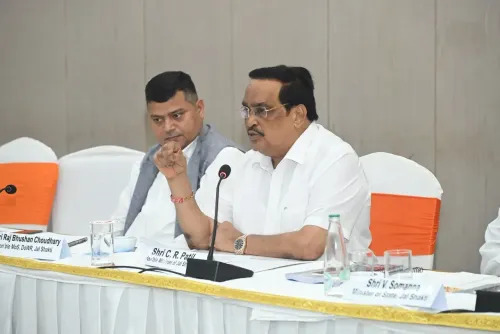
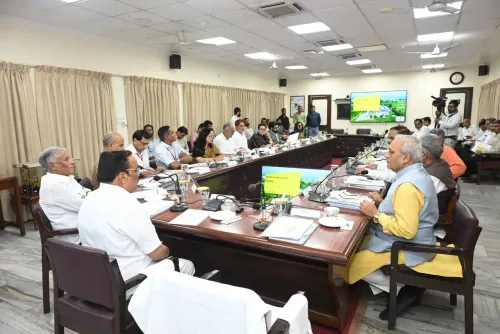
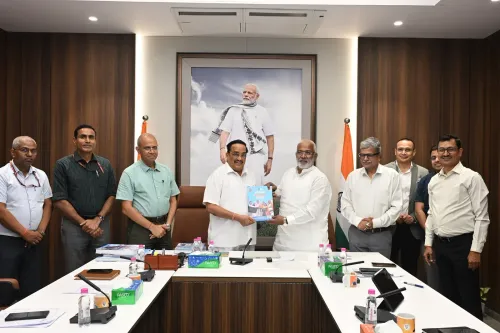
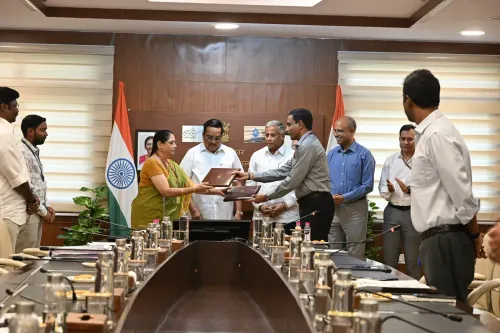
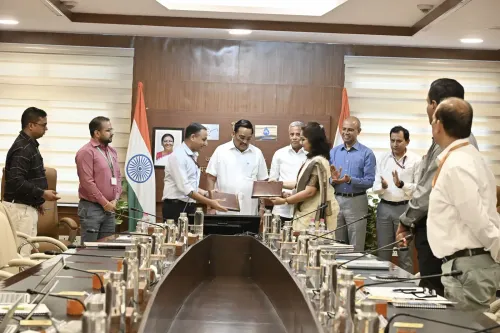
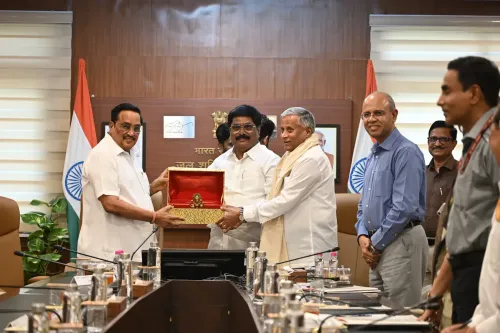
Union Jal Shakti Minister C. R. Paatil signed a Memorandum of Understanding between the Department of Drinking Water and Sanitation, Ministry of Jal Shakti and the hill state of Manipur on Wednesday, 10 June 2026, under the framework of Jal Jeevan Mission 2.0. Manipur Chief Minister Yumnam Khemchand Singh and Deputy Chief Minister and PHED Minister Losii Dikho were present at the signing ceremony alongside senior officials of both the state and the central ministry.
Context
Minister Paatil announced the development on X, noting in Hindi: 'जल जीवन मिशन 2.0 के अंतर्गत पेयजल एवं स्वच्छता विभाग, जल शक्ति मंत्रालय, भारत सरकार और पहाड़ी राज्य मणिपुर के बीच आज MoU पर हस्ताक्षर किए' ('Under Jal Jeevan Mission 2.0, an MoU was signed today between the Department of Drinking Water and Sanitation, Ministry of Jal Shakti, Government of India and the hill state of Manipur'). The minister highlighted that approximately 80% of rural households in Manipur have already been provided tap water connections under the Jal Jeevan Mission — a figure he described as a commendable achievement given the state's challenging mountainous geography.
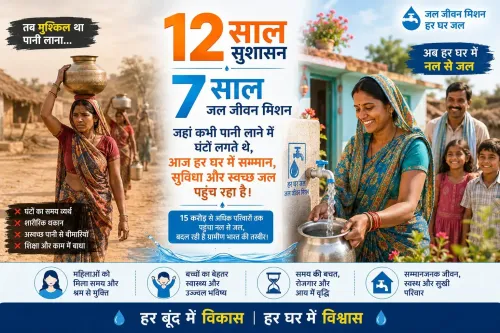
The MoU was signed on the occasion of the completion of 12 years of the Government of India's Garib Kalyan (welfare for the poor) initiatives, situating the agreement within Prime Minister Narendra Modi's guiding principle of 'Sabka Saath, Sabka Vikas, Sabka Vishwas, Sabka Prayas' ('Together with all, development for all, trust of all, effort of all').
Policy Backdrop
Jal Jeevan Mission was launched in August 2019 with the stated objective of delivering functional household tap connections to every rural household across India. The programme marked a shift from community-level water supply infrastructure to individual household connections, with an initial nationwide target tied to 2024. The current MoU under Jal Jeevan Mission 2.0 signals a second phase focused not merely on expanding coverage but on deepening the quality and sustainability of existing connections.
For Manipur and other northeastern states, hilly and remote terrain has historically posed significant logistical and engineering challenges to rolling out piped water infrastructure. The MoU explicitly acknowledges these geographical constraints and commits to addressing the sustainability, reach, and operation of drinking water supply schemes with those challenges in mind.
Stakeholders and Impact
The agreement covers four priority areas: technical strengthening, capacity building, water quality monitoring, and community participation (Jan Bhagidari). These components reflect a broader shift in the mission's second phase — from connection targets to ensuring that installed infrastructure delivers safe, reliable water over the long term.
Rural households in Manipur's remote hill districts stand to benefit most directly, as the MoU places special emphasis on areas that are geographically difficult to access. Senior officials of the Department of Drinking Water and Sanitation (DDWS), including the Secretary and Mission Director of Jal Jeevan Mission, attended the signing, indicating high-level institutional commitment from the central government's side.
What's Next
The immediate focus will be on operationalising the MoU's provisions — particularly the rollout of water quality monitoring systems and community-level capacity building programmes in Manipur's hilly districts. Similar framework agreements with other northeastern and hilly states are likely to follow, as the central government looks to replicate this sustainability-focused model across regions where first-phase coverage gains need to be consolidated.
The broader trajectory of Jal Jeevan Mission 2.0 will be closely watched: whether the shift toward quality, monitoring, and community ownership translates into measurable improvements in water access for populations in India's most geographically demanding terrains will define the programme's next chapter.
Point of View
Quality assurance, and community ownership. By anchoring the signing to 12 years of Garib Kalyan and PM Modi's 'Sabka Saath' mantra, the Centre is reinforcing a political narrative of inclusive development in the Northeast ahead of what analysts expect to be an active legislative calendar. The focus on Manipur's hilly terrain also signals that the government is aware that coverage percentages alone do not capture the operational challenges that persist in India's most difficult geographies. Agreements of this nature with northeastern states serve a dual purpose: advancing a policy goal while visibly deepening the BJP-led Centre's engagement with a region it has invested in politically since 2017.
NationPress
22 Sept 2026
Frequently Asked Questions
What is Jal Jeevan Mission 2.0?
Jal Jeevan Mission 2.0 is the second phase of the central government's flagship rural drinking water programme, originally launched in August 2019. While the first phase focused on providing tap water connections to rural households, the second phase emphasises sustainability, water quality monitoring, technical strengthening, and community participation to consolidate gains already made.
What does the Manipur JJM 2.0 MoU cover?
The MoU signed on 10 June 2026 between the Ministry of Jal Shakti and Manipur covers four key areas: technical strengthening of water supply infrastructure, capacity building for state personnel, water quality monitoring, and community participation (Jan Bhagidari). It also specifically addresses the challenges posed by Manipur's hilly and remote geography.
How many rural households in Manipur have tap water connections?
According to Union Jal Shakti Minister C. R. Paatil's post, approximately 80% of rural households in Manipur have been provided tap water connections under the Jal Jeevan Mission, which he described as a commendable achievement for a hilly state with difficult terrain.
Who attended the Manipur JJM 2.0 MoU signing?
The signing was attended by Manipur Chief Minister Yumnam Khemchand Singh, Deputy Chief Minister and PHED Minister Losii Dikho, senior Manipur state officials, the Secretary of the Department of Drinking Water and Sanitation, and the Mission Director of Jal Jeevan Mission.
Why is providing tap water to Manipur challenging?
Manipur is a predominantly hilly northeastern state where mountainous and remote terrain makes laying water supply pipelines and maintaining infrastructure significantly more difficult and expensive than in plains regions. The MoU specifically acknowledges these geographical challenges and commits to addressing the sustainability and reach of drinking water schemes in such areas.