Jal Shakti Minister Paatil hails JJM's rural water reach
Synopsis
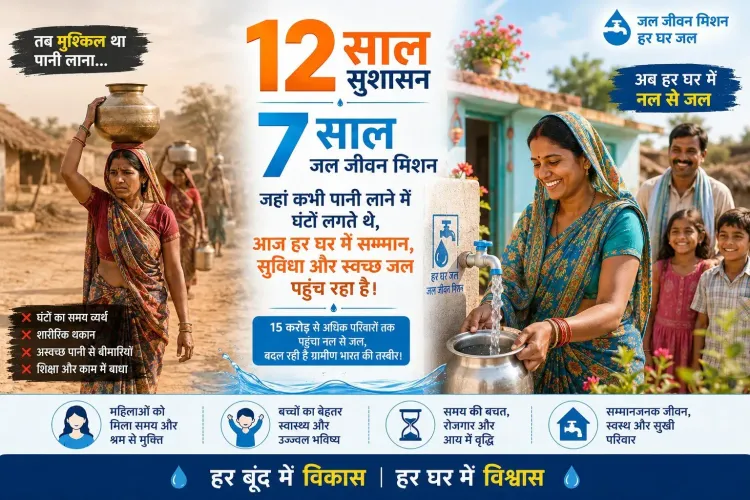
Union Jal Shakti Minister C. R. Paatil has highlighted the Jal Jeevan Mission's reach of over 15 crore rural households with tap water in seven years, calling it a historic governance achievement under PM Modi's leadership and reaffirming the Har Ghar Jal commitment.
Key Takeaways
Union Jal Shakti Minister C.
Paatil posted on 2 June 2026 crediting the Jal Jeevan Mission with transforming rural water access.
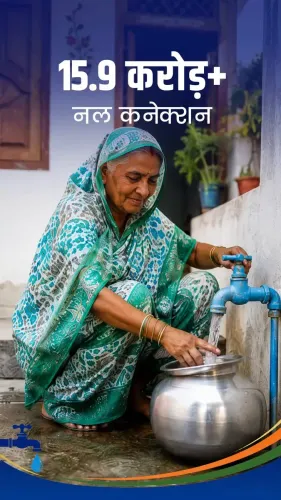
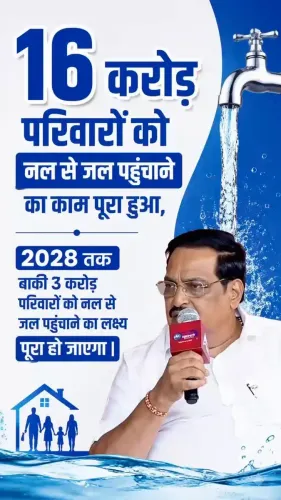
The mission has reportedly delivered tap water connections to more than 15 crore rural households over seven years.
The Jal Jeevan Mission was launched on 15 August 2019 with a target of providing functional tap connections to all rural homes by 2024.
The Ministry of Jal Shakti , formed in 2019, oversees the scheme; village panchayats are key implementation units.
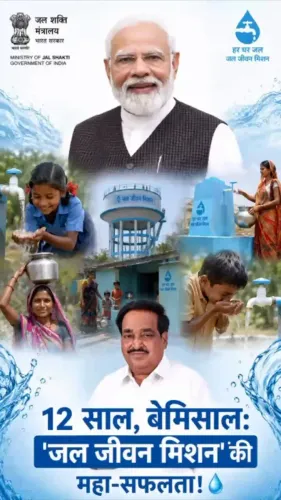
Paatil framed the milestone as part of 12 years of good governance under BJP-led rule since 2014.
The next JJM quarterly progress dashboard and any Phase-II funding discussions in Parliament are the immediate policy watchpoints.
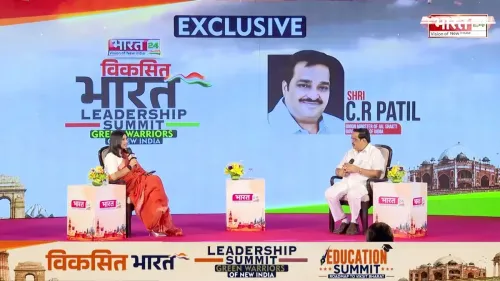
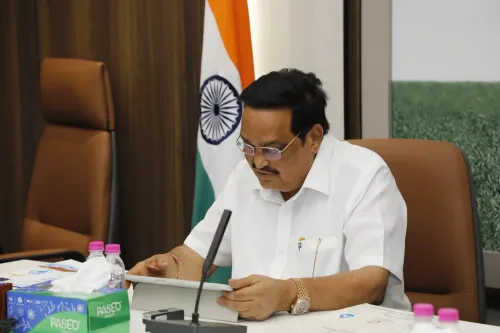
Union Jal Shakti Minister C. R. Paatil on Tuesday, 2 June 2026 credited the Jal Jeevan Mission with transforming rural India's water access, citing the delivery of tap water connections to more than 15 crore households over seven years of the programme under Prime Minister Narendra Modi.
Context
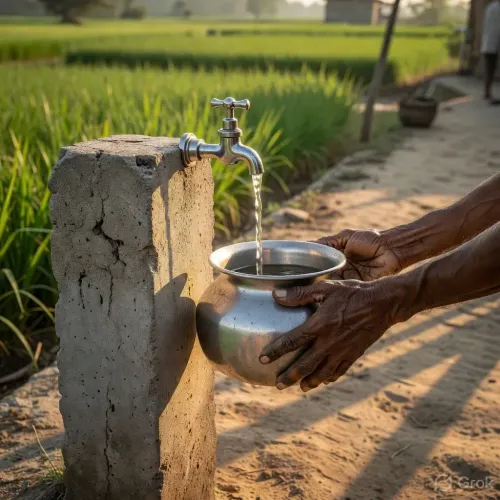
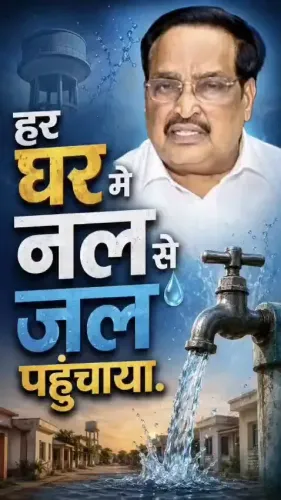
Paatil's post, written in Hindi, declared: 'जहां कभी पानी लाने में घंटों लगते थे, आज वही घरों में सम्मान, सुविधा और स्वच्छ जल पहुंच रहा है' ('Where it once took hours to fetch water, today those same homes are receiving dignity, convenience and clean water'). He described the milestone as a 'historic achievement of 12 years of good governance,' framing it within the broader Har Ghar Jal pledge.
The post carries the hashtags #JalJeevanMission, #HarGharJal, and #NewIndia, language that mirrors the central government's long-standing communication framework for flagship rural infrastructure schemes.
Policy Backdrop
The Jal Jeevan Mission (JJM) was launched by Prime Minister Modi on 15 August 2019 with the stated goal of providing a functional household tap connection to every rural home in India by 2024. It was built on the foundation of the earlier National Rural Drinking Water Programme and is administered by the Ministry of Jal Shakti, itself formed in 2019 by merging the erstwhile ministries of Water Resources and Drinking Water & Sanitation.
The scheme operates as a centrally sponsored programme, with funds shared between the Union government and state governments. Village panchayats and local water and sanitation committees are designated as the primary implementation units at the grassroots level, giving the mission a decentralised operational character.
Paatil's reference to '12 years of good governance' situates the JJM achievement within the wider arc of BJP-led governance since 2014, a framing that senior party leaders have consistently employed when highlighting welfare delivery milestones.
Stakeholders and Impact
The primary beneficiaries of the Jal Jeevan Mission are rural households across India, particularly women and girls who have historically borne the burden of water collection — often walking several kilometres daily to fetch water from distant sources. Assured tap connections at home are intended to reduce this unpaid labour and improve household health outcomes by providing access to treated, piped water.
Village panchayats play a central role in maintaining infrastructure once it is commissioned, making local governance capacity a key variable in the scheme's long-term success. The government has linked JJM progress to broader indices of rural development, sanitation, and quality of life under the New India vision.
What's Next
Attention will now turn to the next quarterly JJM progress dashboard, which is expected to provide updated household connection figures and state-wise coverage data. Any announcement regarding scheme completion timelines or Phase-II funding during the upcoming session of Parliament will be closely watched by state governments and rural development stakeholders. Paatil's public communication signals continued ministerial emphasis on the programme as a centrepiece of the government's governance narrative heading into the second half of 2026.
Point of View
The communication attempts to fuse scheme achievement with party legacy. The Har Ghar Jal framing has proven durable because it speaks directly to a lived rural grievance — the daily burden of water fetching — giving it resonance beyond policy circles. Whether the coverage numbers withstand independent verification, and whether connections translate into sustained water supply, will determine how durable this narrative proves in the medium term.
NationPress
24 Sept 2026
Frequently Asked Questions
What is the Jal Jeevan Mission?
The Jal Jeevan Mission is a central government scheme launched on 15 August 2019 to provide functional household tap connections for drinking water to every rural home in India, branded under the 'Har Ghar Jal' slogan.
How many households has Jal Jeevan Mission covered?
Union Jal Shakti Minister C. R. Paatil stated that the mission has delivered tap water connections to more than 15 crore rural households over seven years of the programme.
Who is C. R. Paatil?
C. R. Paatil is the Union Minister of Jal Shakti, a senior BJP leader and former president of the BJP's Gujarat state unit.
What is Har Ghar Jal?
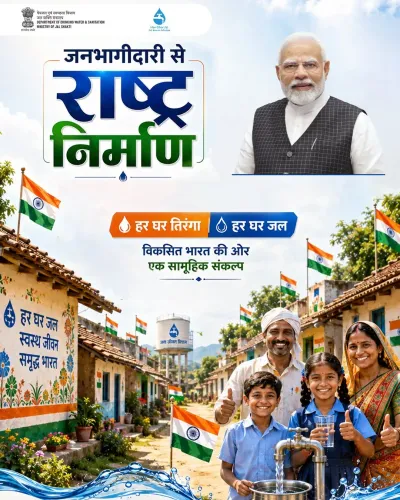
'Har Ghar Jal' — meaning 'water in every home' — is the branding and commitment under the Jal Jeevan Mission to ensure piped tap water reaches every rural household in India.
Which ministry implements the Jal Jeevan Mission?
The Ministry of Jal Shakti, formed in 2019 by merging the water resources and drinking water and sanitation departments, is responsible for implementing the Jal Jeevan Mission.