Jal Shakti Minister Paatil Champions Jal Jeevan Mission

Synopsis
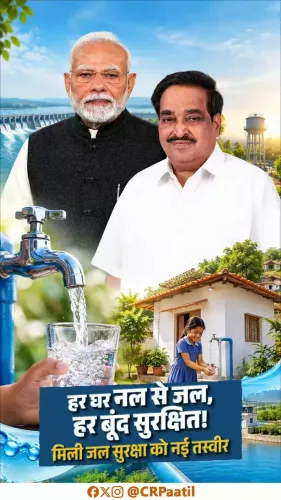
Union Jal Shakti Minister C. R. Paatil invoked the Jal Jeevan Mission — launched by PM Modi on 15 August 2019 — as a transformative shift that has brought piped clean drinking water to crores of rural families, ending the long-distance water-fetching burden borne by women for generations.
Key Takeaways
Jal Jeevan Mission was announced by PM Narendra Modi on 15 August 2019 to provide functional household tap connections to all rural homes in India.
Paatil described the mission as delivering piped clean drinking water to crores of rural families under the 'Har Ghar Jal' pledge.
The scheme marks a shift from earlier area-based water programmes to a household-level entitlement model.
Paatil framed the mission's impact in terms of women's dignity, health improvement, and time saved — not just physical infrastructure.
The Ministry of Jal Shakti is the nodal body overseeing implementation in partnership with state governments and gram panchayats.
Updated coverage figures are expected in the ministry's next annual report and the 2027-28 Union Budget cycle.
Across rural India, the daily ordeal that once sent women and mothers walking kilometres for a pot of drinking water is the defining problem that Union Jal Shakti Minister C. R. Paatil placed at the centre of a pointed post on Tuesday, 29 September 2026 — invoking the Jal Jeevan Mission as the answer a generation of rural families had been waiting for.
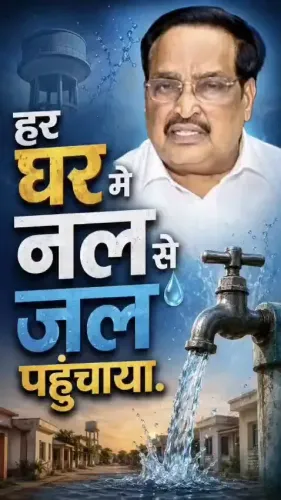
Writing in Hindi, Minister Paatil opened with a declaration: 'जल केवल एक आवश्यकता नहीं, जीवन का आधार है' ('Water is not merely a necessity — it is the foundation of life'). He recalled a not-so-distant past when mothers and sisters in countless rural areas had to travel long distances just to fetch drinking water, framing the mission as a direct answer to that burden.
What the 'Har Ghar Jal' pledge actually means on the ground
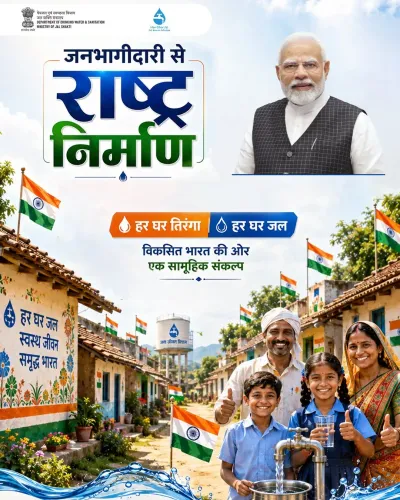
Launched by Prime Minister Narendra Modi on 15 August 2019, the Jal Jeevan Mission set out a singular, measurable goal: a functional household tap connection in every rural home in India. The scheme marked a decisive shift from earlier area-based water supply programmes toward a household-level entitlement — every family, one tap, clean water.
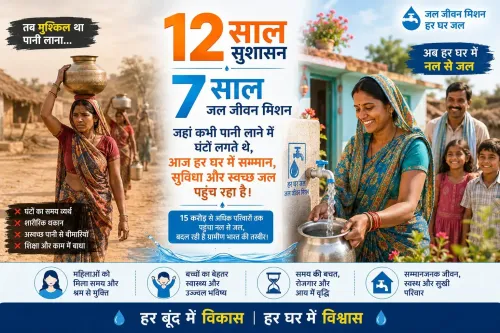
Paatil's post frames the mission's impact in terms that go beyond infrastructure. 'This transformation is not just about bringing water to homes,' he wrote — 'it is a campaign for better health, dignity for mothers and sisters, saving time, and a positive change in the quality of rural life.' The phrase 'माताओं-बहनों के सम्मान' ('respect for mothers and sisters') is deliberate: the gender dimension of water access — who fetches it, how far, at what cost to health and opportunity — has been a consistent thread in how the government has communicated the mission.
From a 2019 announcement to crores of families
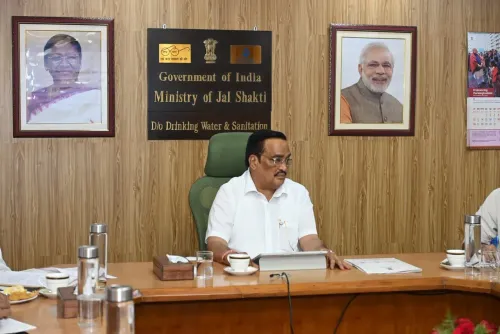
The Ministry of Jal Shakti, which Paatil heads, is the nodal body for the mission's implementation across states. The scheme operates through state governments and gram panchayats, with the Centre funding the bulk of costs in most states. Paatil's reference to 'crores of families' now receiving piped clean drinking water through taps reflects the scale the programme has been designed for — though precise current coverage figures will be confirmed in the ministry's next annual report.
The broader policy pattern is clear: rural drinking water infrastructure has become one of the BJP-led government's signature welfare narratives, sitting alongside sanitation and rural roads as a core quality-of-life deliverable. The Jal Jeevan Mission is the drinking-water pillar of that story.
The next milestone to watch: updated household coverage data in the 2027-28 Union Budget cycle and the ministry's annual report, which will put hard numbers to the scale Paatil is describing.
Point of View
Gendered narrative — the image of a woman walking kilometres for water — to make policy feel personal. The Jal Jeevan Mission has become the government's most visible rural welfare credential ahead of state and national electoral cycles, and ministerial amplification of it signals that the party intends to keep it front and centre. The emphasis on dignity and time-saving rather than just tap connections also reflects a maturation in how the scheme is being sold: from an engineering target to a social transformation story. Whether coverage numbers in the next annual report match the scale of the rhetoric will be the real test.
NationPress
29 Sept 2026
Frequently Asked Questions
What is the Jal Jeevan Mission?
The Jal Jeevan Mission is a central government scheme announced by Prime Minister Narendra Modi on 15 August 2019, aimed at providing a functional household tap connection with clean piped drinking water to every rural household in India.
What does 'Har Ghar Jal' mean?
'Har Ghar Jal' translates to 'water in every home' — it is the guiding pledge of the Jal Jeevan Mission, committing to piped clean drinking water at the household level across rural India.
Who is C. R. Paatil and what ministry does he head?
C. R. Paatil is the Union Minister of Jal Shakti, a senior BJP leader and former Gujarat state president. His ministry is the nodal body for water resources, drinking water supply, and sanitation programmes including the Jal Jeevan Mission.
How does the Jal Jeevan Mission benefit rural women?
Before the mission, women and girls in many rural areas had to walk long distances daily to fetch drinking water. By bringing piped tap water directly to homes, the scheme saves time, reduces physical burden, and is credited with improving health outcomes and dignity for rural women.
Which ministry implements the Jal Jeevan Mission?
The Ministry of Jal Shakti is the nodal ministry for the Jal Jeevan Mission. It works with state governments and gram panchayats to fund and implement piped water connections at the household level across rural India.