Jal Shakti Minister Paatil Champions Community Water Stewardship
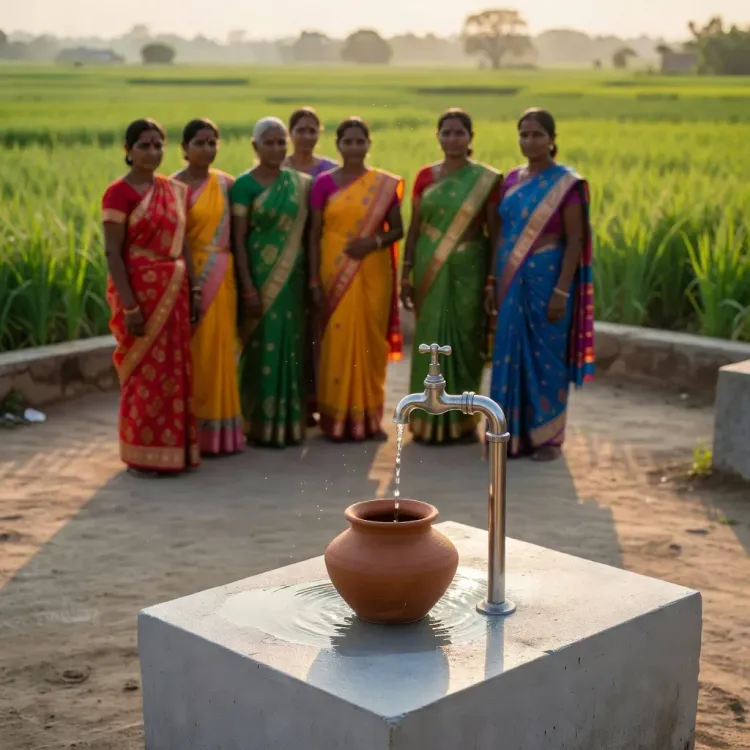
Synopsis
Jal Shakti Minister C. R. Paatil has called on rural communities, gram panchayats, women, and youth to take ownership of Jal Jeevan Mission water infrastructure through the 'Jal Arpan' initiative, stressing leak prevention, quality vigilance, and rainwater harvesting as pillars of lasting water security.
Key Takeaways
Paatil posted on 13 October 2026 urging active community participation in the Jal Arpan drive linked to Jal Jeevan Mission .
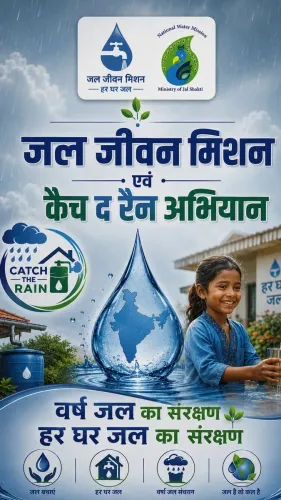
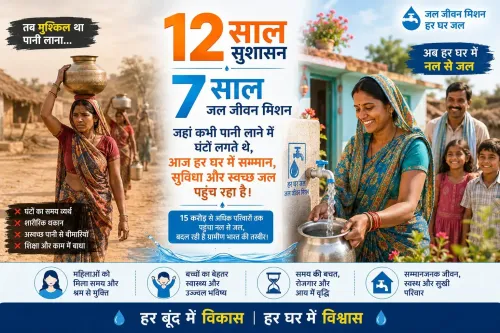
The Jal Jeevan Mission , launched under the 2019 Union Budget , aims to deliver functional tap connections to all rural households under the 'Har Ghar Jal' pledge.
Paatil specifically named gram panchayats and pani samitis (village water committees) as the institutional backbone of sustainable water delivery.
The minister called for four practical actions: care for water structures, water-quality vigilance, leak prevention, and adoption of rainwater harvesting .
Women and youth were urged to lead the campaign, reflecting their central role in rural water governance and scheme longevity.
The post frames water security as a shared civic compact — with the Centre building infrastructure and communities owning its sustained operation.
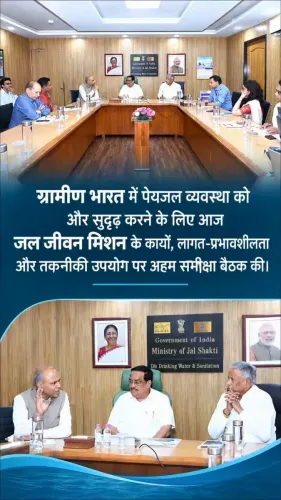
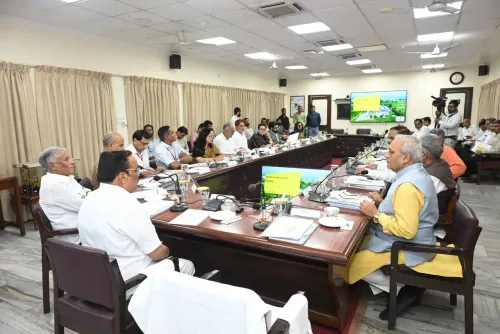
Every tap runs dry without the hands that maintain it. On Tuesday, 13 October 2026, Union Jal Shakti Minister C. R. Paatil issued a sweeping call to rural India — urging gram panchayats, women, youth, and village representatives to take active ownership of the water infrastructure built under the Jal Jeevan Mission, and to turn the 'Jal Arpan' drive into a living, community-led pledge for water security.
From pipes to permanence: the 'Jal Arpan' call
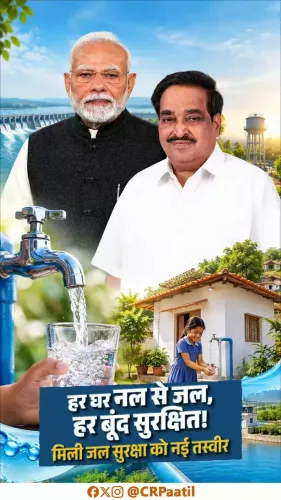
Posting in Hindi on X, Minister Paatil framed the message in one memorable line: 'जन भागीदारी से जल अर्पण, जन-जन का संकल्प—जल संरक्षण!' — 'Water offering through people's participation; every person's resolve — water conservation!' The post invoked Prime Minister Narendra Modi's 'far-sighted leadership' and described the mission's 'Har Ghar Jal' (water to every home) pledge as giving 'new strength to the dignity of mothers and sisters, the health of families, and the ease of life in rural India.'
The minister's ask was specific: prevent leakage, maintain water structures, stay alert to water quality, adopt rainwater harvesting, and — critically — ensure women and youth lead this public campaign. 'Hamara gaon, hamara jal — iski suraksha, hum sabki zimmedari,' he wrote. 'Our village, our water — its protection is all of our responsibility.'
Jal Jeevan Mission's long road from connection to sustainability
Jal Jeevan Mission, announced in the 2019 Union Budget, was designed to deliver functional household tap connections to every rural household in India — a target originally set for 2024. The scheme represented one of the largest rural drinking-water programmes in the world by coverage ambition, stretching across hundreds of thousands of villages and tens of millions of homes.
But infrastructure creation is only half the story. The harder, quieter challenge is keeping those taps flowing years after the inauguration ribbons are cut. Pipe breaks, motor failures, dry sources, and absent maintenance funds have historically plagued rural water schemes. Minister Paatil's post lands squarely on that fault line — the gap between a connected household and a reliably served one.
Gram panchayats and village water committees: the last mile guardians
The minister specifically named gram panchayats and pani samitis (village water committees) as the institutional backbone of sustainable delivery. This aligns with a broader policy design under JJM, which routes operational and maintenance responsibility to local bodies — asking communities to raise user fees, form committees, and monitor water quality rather than waiting on distant government machinery.
The emphasis on women is not incidental. Women in rural India are the primary water-carriers and quality monitors in most households; their involvement in scheme governance is seen as directly tied to scheme longevity. Studies across multiple states have pointed to stronger maintenance outcomes in villages where women dominate pani samiti membership.
What sustainability actually demands
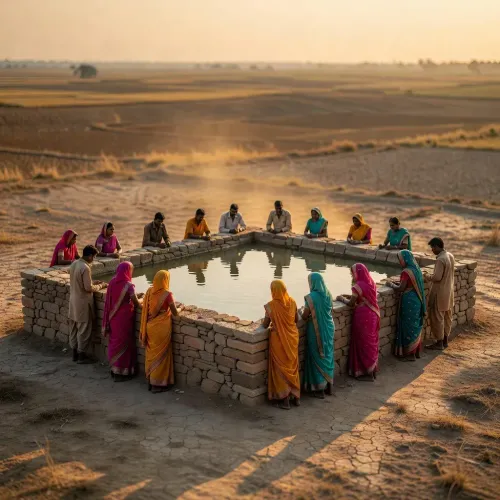
Minister Paatil outlined a four-point practical agenda: care for water structures, water-quality vigilance, leak prevention, and rainwater harvesting. These are not aspirational platitudes — each maps onto a real failure mode that has silenced taps in villages that were once declared 'covered.' Leakage alone, in poorly maintained rural pipelines, can render a functional scheme dysfunctional within two monsoon cycles.
The appeal to 'secure water for coming generations' widens the frame from a government scheme into a civic compact — one where the centre builds, but the village sustains.
The taps are there. Whether they keep running is now, quite deliberately, the community's call.
Point of View
Pani samitis, and women rather than central expenditure, the messaging deftly transfers operational accountability to local bodies, reducing political exposure to maintenance failures. The 'Jal Arpan' framing adds a cultural-religious resonance to what is essentially a maintenance campaign, broadening its social appeal. Longer term, the success of this community-ownership model will serve as a test case for how India sustains its other large rural infrastructure pushes — from sanitation to rural roads.
NationPress
14 Oct 2026
Frequently Asked Questions
What is Jal Arpan and how is it connected to Jal Jeevan Mission?
'Jal Arpan' is a community participation drive aimed at deepening public ownership of water infrastructure built under the Jal Jeevan Mission, encouraging villagers to maintain structures, prevent leakage, and conserve water sources.
What is the Jal Jeevan Mission's 'Har Ghar Jal' goal?
The 'Har Ghar Jal' (water to every home) pledge, launched under the Jal Jeevan Mission in 2019, aims to deliver functional household tap connections to all rural households in India.
What role do gram panchayats play in Jal Jeevan Mission sustainability?
Gram panchayats and village water committees (pani samitis) are responsible for the day-to-day operation and maintenance of local water supply systems, including collecting user fees and monitoring water quality.
Why does Minister Paatil emphasise women's leadership in water conservation?
Women in rural India are the primary users and quality monitors of household water; their active involvement in village water committees is linked to stronger maintenance outcomes and scheme longevity.
What specific actions did C. R. Paatil urge communities to take for water security?
Minister Paatil called for four specific actions: caring for water structures, staying vigilant about water quality, preventing pipe leakages, and adopting rainwater harvesting practices.