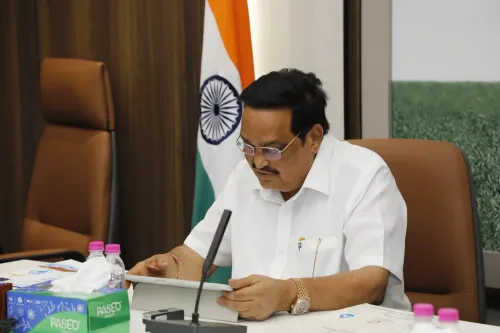
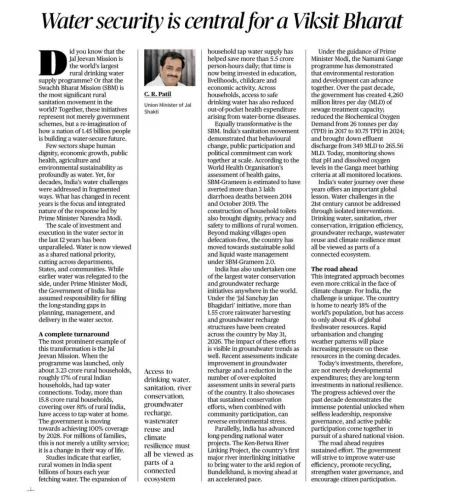
Jal Shakti Minister CR Paatil Flags Water News
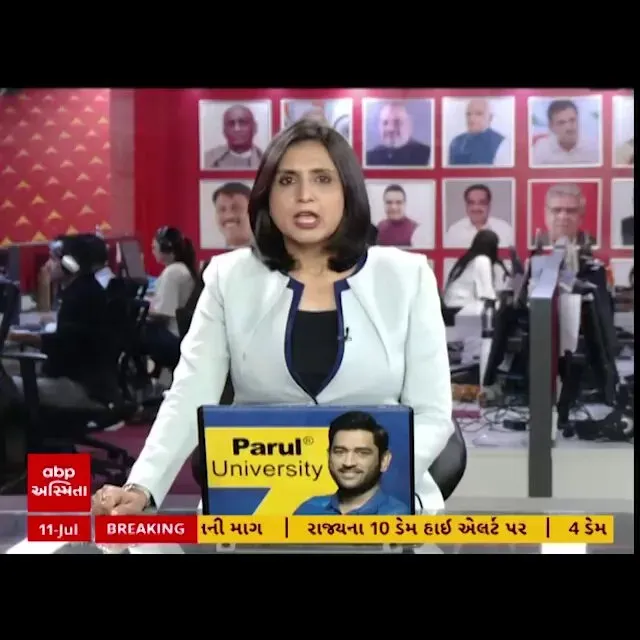
Synopsis
Union Jal Shakti Minister C. R. Paatil shared a post on X on 11 July 2026 flagging a news development in the water and environment sector. The ministry oversees flagship schemes including Jal Jeevan Mission, Jal Shakti Abhiyan, and Namami Gange, all central to India's water security agenda.
Key Takeaways
Paatil , Union Minister of Jal Shakti and senior BJP leader, posted on X on 11 July 2026 using the hashtag #NewsCoverage alongside a video.
The Jal Shakti Ministry oversees water resources, river development, and Ganga rejuvenation under a consolidated structure.
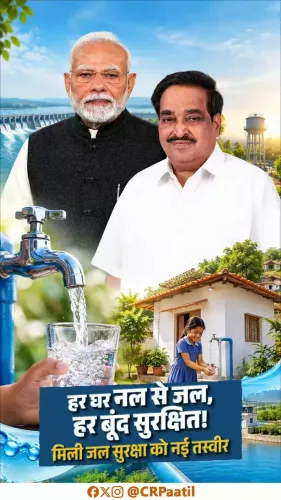
The Jal Jeevan Mission , launched in 2019 , aims to provide tap water connections to all rural households in India.
The Jal Shakti Abhiyan and Namami Gange programme address water conservation and Ganga pollution respectively.
Progress reports on Jal Jeevan Mission coverage and forthcoming Union Budget allocations are key milestones to watch.
Union Jal Shakti Minister C. R. Paatil shared a post on X on Saturday, 11 July 2026, drawing attention to a news development related to the environment and water sector under his ministry's purview.
Context
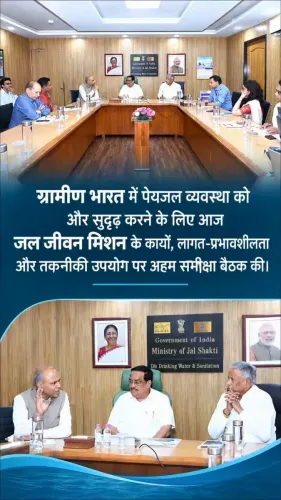
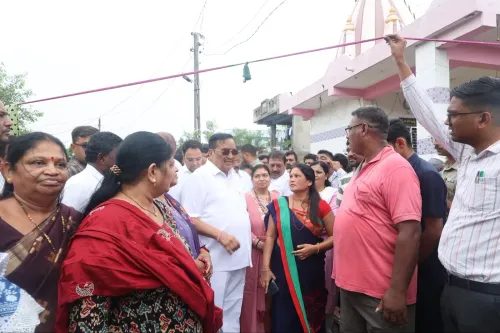
The post, shared from Paatil's official X account, carried the hashtag #NewsCoverage alongside a video, signalling that the minister was amplifying or acknowledging a media report connected to the work of the Jal Shakti Ministry. While the specific content of the video was not disclosed in text form, the hashtag and the ministry's ongoing agenda point toward water conservation or rural drinking water supply as the likely subject.
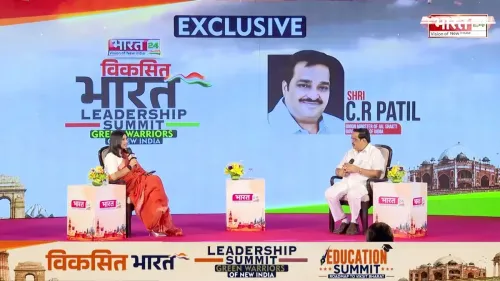
C. R. Paatil serves as the Union Minister of Jal Shakti, the central ministry responsible for water resources, river development, and the rejuvenation of the Ganga. He is also a senior BJP leader and former president of the party's Gujarat unit.
Policy Backdrop
The Jal Shakti Ministry was formed by merging previously fragmented water-related departments, with the goal of improving coordination across supply, conservation, and river management. Its flagship initiative, the Jal Jeevan Mission — launched in 2019 — aims to provide functional household tap connections to every rural home in India.
Alongside this, the Jal Shakti Abhiyan, also begun in 2019, promotes water conservation in water-stressed districts, while the Namami Gange programme, initiated in 2014, focuses on pollution abatement and the ecological revival of the Ganga river. These missions collectively represent the central government's multi-pronged approach to addressing India's water security challenges.
Successive governments have consolidated water functions under a single ministry to reduce duplication and improve outcomes, with community-level interventions such as rainwater harvesting complementing large-scale infrastructure drives.
Stakeholders and Impact
The primary beneficiaries of the ministry's programmes are rural households across India, particularly those in regions with historically poor access to safe drinking water. State governments are key implementation partners, responsible for executing centrally-sponsored schemes on the ground.
Any news coverage amplified by the minister is likely to carry significance for communities tracking the progress of Jal Jeevan Mission coverage targets and related environmental interventions. The ministry's communications often serve as signals of policy emphasis or progress milestones.
What's Next
Observers will watch for the release of the next annual progress report on Jal Jeevan Mission coverage, which will indicate how close the scheme is to achieving universal rural tap-water connectivity. Any supplementary allocations in the forthcoming Union Budget could also shape the pace of implementation.
As environmental pressures and groundwater depletion continue to feature prominently in national policy debates, the Jal Shakti Ministry's communications are expected to remain closely watched by state administrations, civil society, and communities dependent on these programmes.
Point of View
Keeping the communication low-risk while extending reach. For a ministry whose flagship scheme — Jal Jeevan Mission — is approaching its coverage targets, such signals often precede milestone announcements or budget pitches. The post fits a broader pattern in which central ministers use social media to keep water security visible as a governance achievement ahead of electoral cycles. Watchers should track whether the video content relates to a scheme milestone, a state-level success story, or an environmental conservation drive.
NationPress
10 Oct 2026
Frequently Asked Questions
Who is C. R. Paatil and what ministry does he head?
C. R. Paatil is the Union Minister of Jal Shakti, the central ministry responsible for water resources, river development, and Ganga rejuvenation. He is also a senior BJP leader and former president of the party's Gujarat unit.
What is the Jal Jeevan Mission?
The Jal Jeevan Mission is a flagship central government scheme launched in 2019 to provide functional household tap connections for drinking water to all rural households in India.
What does the Jal Shakti Ministry do?
The Jal Shakti Ministry handles water supply, conservation, river development, and Ganga rejuvenation. It was formed by merging previously separate water-related departments to improve coordination.
What is the Namami Gange programme?
Namami Gange is a central government programme initiated in 2014 focused on pollution abatement and the ecological rejuvenation of the Ganga river.
What is the Jal Shakti Abhiyan?
The Jal Shakti Abhiyan is a campaign launched in 2019 to promote water conservation and rainwater harvesting in water-stressed districts across India.