Jal Shakti Minister Paatil Signs JJM 2.0 MoU With Tamil Nadu
Synopsis
Union Jal Shakti Minister C. R. Paatil announced the signing of a Jal Jeevan Mission 2.0 MoU between the central government and Tamil Nadu on June 2, 2026, aimed at strengthening rural tap-water access, water quality monitoring, and community participation across the state.
Key Takeaways
The Department of Drinking Water and Sanitation and Tamil Nadu signed an MoU under Jal Jeevan Mission 2.0 on June 2, 2026 .
Tamil Nadu Chief Minister C.
Joseph Vijay led the state delegation at the signing ceremony.
Minister of State V.
Somanna and senior DDWS officials represented the central government.
The MoU covers four pillars: technical strengthening, capacity building, water quality monitoring, and community participation .
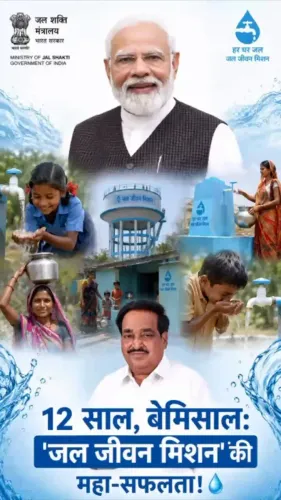
Jal Jeevan Mission, launched in August 2019 , is described as the world's largest drinking water supply programme.
JJM 2.0 shifts focus from initial household coverage to sustainability and long-term operation of rural water infrastructure.
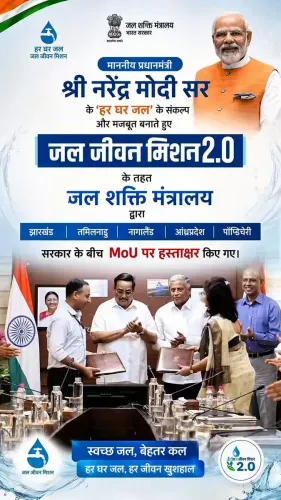
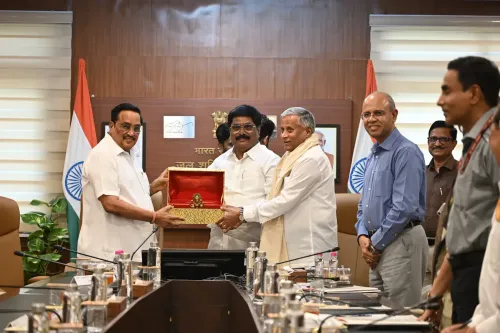
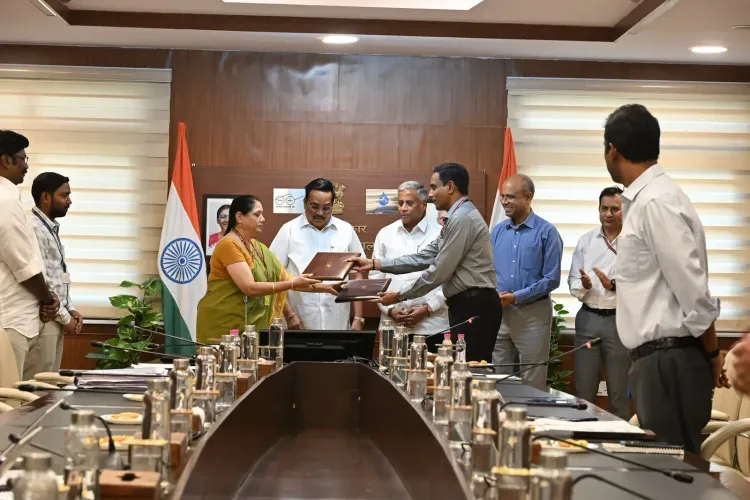
Union Jal Shakti Minister C. R. Paatil announced on Tuesday, June 2, 2026, that the Department of Drinking Water and Sanitation under the Ministry of Jal Shakti has signed a Memorandum of Understanding with the state of Tamil Nadu under Jal Jeevan Mission 2.0, aimed at extending piped drinking water to every rural household in the state.
Context
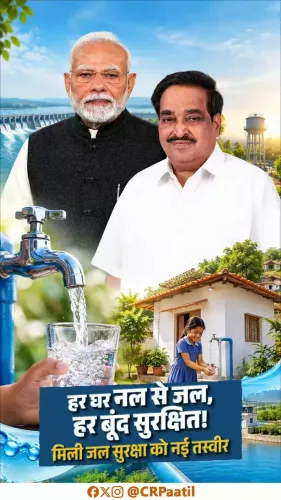
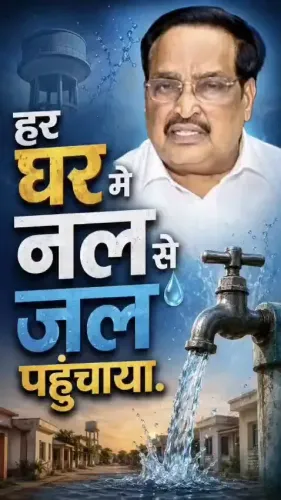
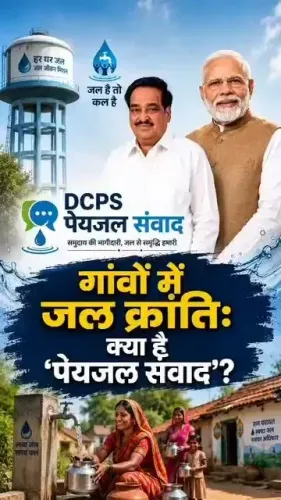
Posting in Hindi on X, Minister Paatil stated that the Jal Jeevan Mission, launched under the 'visionary leadership' of Prime Minister Narendra Modi, has become the world's largest drinking water supply programme, delivering tap water to crores of citizens under the 'Har Ghar Nal Se Jal' ('tap water to every home') pledge. The MoU with Tamil Nadu, he said, marks a step toward realising the 'Har Ghar Jal' ('water to every home') resolve in the state's rural areas.
Tamil Nadu Chief Minister C. Joseph Vijay, referred to by the minister as 'Thala', led a senior state delegation at the signing ceremony. Minister of State for Jal Shakti V. Somanna, the Secretary of the Department of Drinking Water and Sanitation, and senior DDWS officials were also present.
Policy Backdrop
The Jal Jeevan Mission was launched in August 2019 with the original goal of providing functional household tap connections to all rural households by 2024. The programme has since been extended in scope and funding, with a 2.0 phase that shifts emphasis from initial coverage to sustainability, long-term operation, and quality assurance.
The central government has pursued state-specific MoUs as an implementation mechanism, bundling financial transfers with technical assistance, monitoring frameworks, and community participation mandates. The Tamil Nadu agreement follows a pattern of such bilateral compacts signed with multiple states to anchor accountability and accelerate last-mile delivery.
Under the new MoU, the ministry said four areas will be strengthened: technical capacity, institutional capacity building, water quality monitoring, and community participation — a framework that reflects lessons absorbed from the first phase of the mission.
Stakeholders and Impact
The primary beneficiaries are rural households across Tamil Nadu that remain without functional tap connections or receive intermittent supply. The state's public health engineering departments are expected to be the principal implementation agency, with central technical and financial support flowing through the MoU.
Water quality surveillance is a notable addition in the 2.0 framework: rural communities, particularly in districts with known groundwater contamination, stand to benefit from structured testing and reporting systems. Community-level water and sanitation committees are expected to play a larger role in oversight and maintenance than in the first phase.
What's Next
Attention will now turn to the operational details of the Tamil Nadu MoU — specifically the timelines for new tap connections, the deployment of water quality testing infrastructure, and the release and utilisation of central funds. Progress reports from the state's public health engineering department and periodic DDWS audits will serve as the key indicators of on-ground delivery. The MoU framework positions this partnership as a model that could inform similar agreements with other states still lagging on rural water coverage targets.
Point of View
Moving beyond headline connection numbers toward enforceable quality and sustainability benchmarks. The presence of the Tamil Nadu Chief Minister at the signing elevates the event beyond routine bureaucratic procedure, lending it political weight that could ease fund flows and inter-departmental coordination. For the BJP-led Centre, securing a formal partnership with a state governed by a regional party also carries a quiet coalition-management dimension. Broadly, the MoU model reflects a maturing federal approach to social infrastructure — one that trades flexibility for accountability.
NationPress
24 Sept 2026
Frequently Asked Questions
What is Jal Jeevan Mission 2.0?
Jal Jeevan Mission 2.0 is an extended phase of the central government's flagship rural drinking water programme, shifting focus from achieving initial household tap connections to ensuring long-term sustainability, water quality monitoring, and community-led maintenance of water supply systems.
What does the Tamil Nadu JJM 2.0 MoU cover?
The MoU between the Ministry of Jal Shakti and Tamil Nadu covers four areas: technical strengthening, institutional capacity building, water quality monitoring, and enhanced community participation in rural water supply management.
Who attended the JJM 2.0 MoU signing with Tamil Nadu?
Tamil Nadu Chief Minister C. Joseph Vijay led the state delegation. The central government was represented by Union Jal Shakti Minister C. R. Paatil, Minister of State V. Somanna, the Secretary of the Department of Drinking Water and Sanitation, and senior DDWS officials.
When was Jal Jeevan Mission launched and what is its goal?
Jal Jeevan Mission was launched in August 2019 with the goal of providing functional household tap connections to all rural households in India, a programme the government describes as the world's largest drinking water supply initiative.
What is 'Har Ghar Jal' and how does it relate to Tamil Nadu?
'Har Ghar Jal' means 'water to every home' and is the core pledge of the Jal Jeevan Mission. The June 2026 MoU with Tamil Nadu is specifically aimed at realising this goal for rural households across the state under the mission's second phase.