Jal Shakti Minister Paatil Signs JJM 2.0 MoU With Arunachal
Synopsis
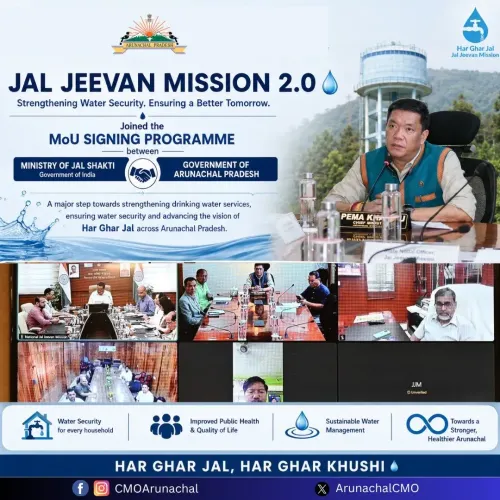
The Jal Shakti Ministry and Arunachal Pradesh government signed an MoU under Jal Jeevan Mission 2.0 on June 2, 2026, aiming to expand tap-water access in the border state's challenging terrain, including Vibrant Village Programme areas and Aspirational Districts, with CM Pema Khandu present at the signing.
Key Takeaways
The Department of Drinking Water and Sanitation and the Arunachal Pradesh government signed an MoU under Jal Jeevan Mission 2.0 on June 2, 2026 .
Chief Minister Pema Khandu , PHED Minister Mama Natung , and Union MoS Jal Shakti V.
Somanna attended the signing ceremony.
Arunachal Pradesh reaffirmed its commitment to the 'Arunachal Jal Sankalp' campaign and the Arunachal Pradesh Catchment Area Protection Act for long-term water security.
The MoU specifically targets water service delivery in geographically difficult areas, including villages under the Vibrant Village Programme and Aspirational Districts .
The agreement integrates the state's own water conservation initiatives with the Centre's Har Ghar Jal goal of a functional tap connection in every rural home.
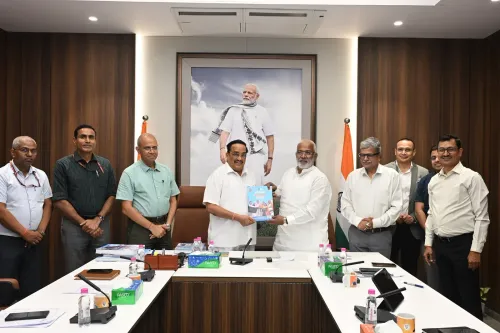
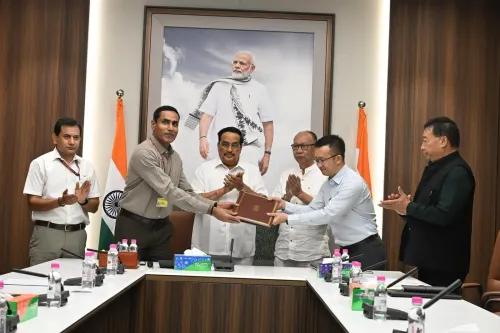
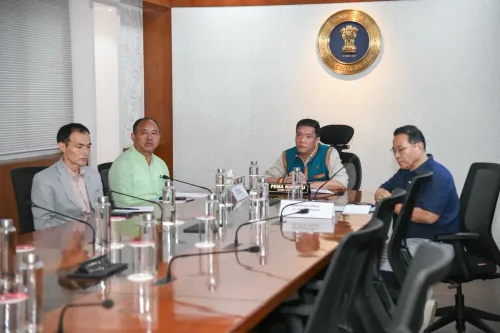
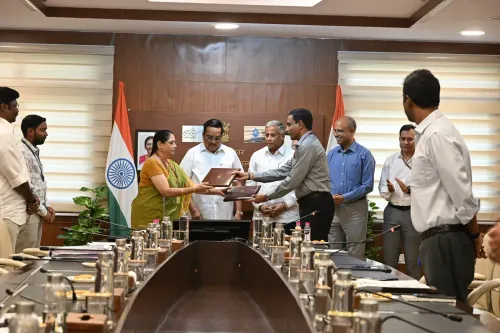
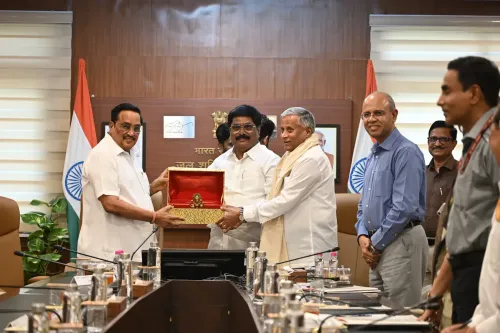
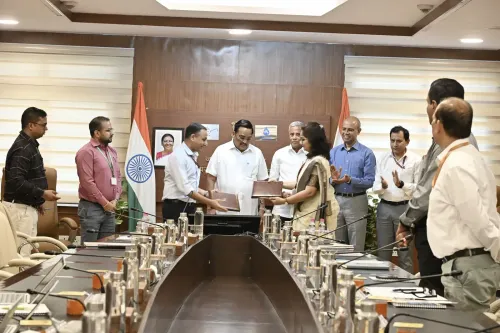
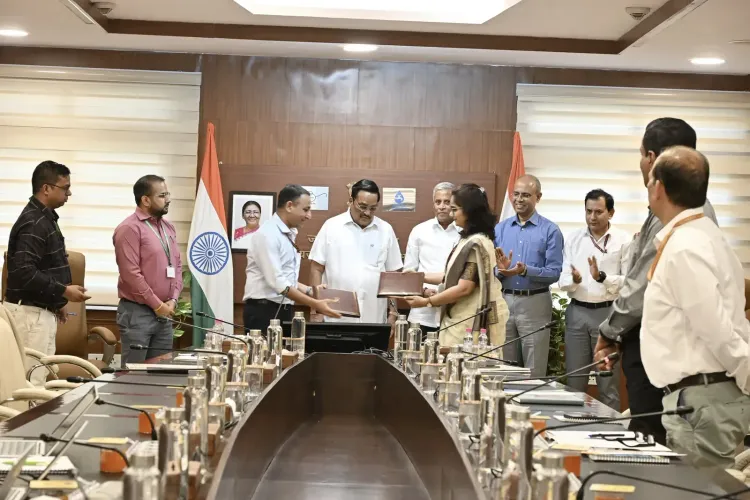
Union Jal Shakti Minister C. R. Paatil announced on Tuesday, June 2, 2026, that the Department of Drinking Water and Sanitation under the Jal Shakti Ministry signed a Memorandum of Understanding with the Arunachal Pradesh government under Jal Jeevan Mission 2.0, marking a significant step toward strengthening drinking water services across the northeastern state. The signing was attended by Arunachal Pradesh Chief Minister Pema Khandu, PHED Minister Mama Natung, Union Minister of State for Jal Shakti V. Somanna, and senior officials of the Department of Drinking Water and Sanitation (DDWS).
Context
In his post on X, Minister Paatil stated that the MoU was signed 'माननीय प्रधानमंत्री श्री नरेंद्र मोदी सर के नेतृत्व में' (under the leadership of honourable Prime Minister Narendra Modi) with the goal of 'strengthening and holistic development of drinking water services across the country.' He also noted that the Arunachal Pradesh government reaffirmed its commitment to advance work under the 'Arunachal Jal Sankalp' campaign and the Arunachal Pradesh Catchment Area Protection Act for long-term water conservation and water security.
The post further highlighted that reinforcing water services in geographically challenging areas — including villages covered under the Vibrant Village Programme and Aspirational Districts — would strengthen inclusive development and the 'Har Ghar Jal' ('tap water in every home') commitment.
Policy Backdrop
Jal Jeevan Mission was launched by Prime Minister Narendra Modi in 2019 with the national target of providing functional household tap connections to all rural homes. The scheme, administered by the Jal Shakti Ministry, has progressively expanded its scope to include source sustainability, water quality monitoring, and community-level operations — elements now grouped under the JJM 2.0 framework.
Arunachal Pradesh, a northeastern border state with rugged terrain and dispersed settlements, has historically faced lower baseline tap-water access compared to plains states. The Arunachal Pradesh Catchment Area Protection Act was enacted by the state legislature to regulate land use and protect ecologically sensitive water sources — a measure that complements the central mission's sustainability goals.
The Vibrant Village Programme, a separate central initiative, targets comprehensive infrastructure development in villages along India's northern border. Integrating JJM 2.0 targets with this programme means water supply improvements in strategically sensitive border villages are now tied to a single convergent delivery mechanism.
Stakeholders and Impact
The primary beneficiaries are rural households across Arunachal Pradesh, particularly in Aspirational Districts and border villages under the Vibrant Village Programme, where last-mile water connectivity has been a persistent challenge. The state's Public Health Engineering Department (PHED), represented at the signing by Minister Mama Natung, will be the nodal implementing agency on the state side.
The MoU also signals a governance alignment between the state government's own 'Arunachal Jal Sankalp' campaign and the Centre's DDWS framework, potentially unlocking additional central funding and technical assistance for catchment protection and source sustainability work.
What's Next
Progress on functional tap connections in Arunachal Pradesh's Aspirational Districts and Vibrant Village blocks is expected to be tracked through quarterly Jal Jeevan Mission reviews. Parliamentary scrutiny on fund utilisation, infrastructure quality, and sustainability audits is likely as the programme scales up in difficult terrain. The 'Arunachal Jal Sankalp' campaign's implementation timeline and the operationalisation of the Catchment Area Protection Act will be closely watched as indicators of how effectively the state-Centre partnership translates into on-ground water security for border communities.
Point of View
The government is signalling that border-area infrastructure — including water supply — is now treated as a national security and development priority in a single convergent framework. The presence of Chief Minister Pema Khandu and the state's own 'Arunachal Jal Sankalp' campaign suggest stronger-than-usual state ownership, which analysts note is a prerequisite for sustainability in high-altitude, dispersed-settlement geographies. The real test will come in quarterly implementation reviews, where the gap between MoU commitments and functional tap connections on the ground in remote border villages typically becomes visible.
NationPress
24 Sept 2026
Frequently Asked Questions
What is Jal Jeevan Mission 2.0?
Jal Jeevan Mission 2.0 is the expanded phase of the central government's flagship drinking water scheme, originally launched in 2019, now focusing on source sustainability, water quality, and long-term functionality of tap connections in addition to new household coverage.
What did the Arunachal Pradesh MoU under JJM 2.0 involve?
The MoU signed on June 2, 2026, between the Jal Shakti Ministry's Department of Drinking Water and Sanitation and the Arunachal Pradesh government commits both sides to strengthening drinking water services, including in Vibrant Village Programme areas and Aspirational Districts.
What is the 'Arunachal Jal Sankalp' campaign?
'Arunachal Jal Sankalp' is a state-level water conservation campaign through which the Arunachal Pradesh government has committed to advancing long-term water security, complementing central schemes like Jal Jeevan Mission.
What is the Arunachal Pradesh Catchment Area Protection Act?
It is a state legislation enacted to regulate land use and protect water source catchment areas in ecologically sensitive zones of Arunachal Pradesh, aimed at ensuring sustainable water availability for communities.
What is the Vibrant Village Programme and why is it linked to JJM 2.0?
The Vibrant Village Programme is a central initiative for holistic infrastructure development in villages along India's northern border; its linkage with JJM 2.0 ensures that water supply improvements in strategically sensitive border villages are delivered through a convergent framework.