Jal Shakti Minister CR Paatil Signs JJM 2.0 MoU With Arunachal
Synopsis
The Jal Shakti Ministry and Arunachal Pradesh government signed an MoU under Jal Jeevan Mission 2.0 on June 2, 2026, committing to strengthen drinking water services in border villages, aspirational districts, and difficult terrain, with state-level campaigns pledged for long-term water security.
Key Takeaways
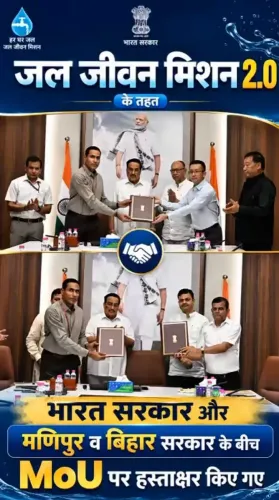
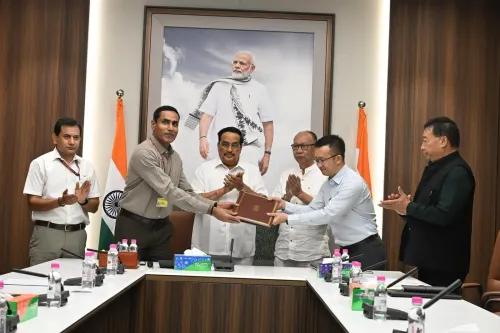
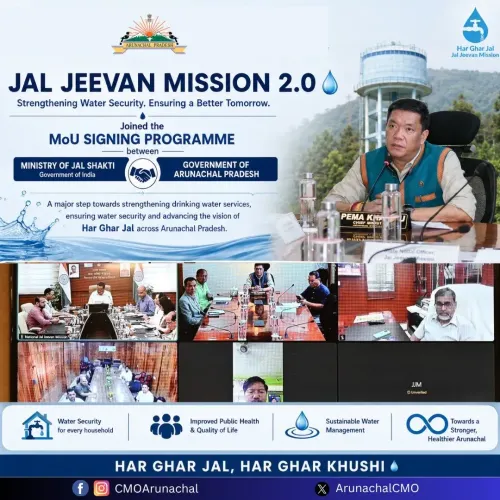
The Department of Drinking Water and Sanitation and the Arunachal Pradesh government signed an MoU under Jal Jeevan Mission 2.0 on June 2, 2026 .
Chief Minister Pema Khandu , PHED Minister Mama Naatung , MoS V.
Somanna , and senior DDWS officials attended the signing.
Arunachal Pradesh reaffirmed commitments under the 'Arunachal Jal Sankalp' campaign and the 'Arunachal Pradesh Catchment Area Protection Act' for water conservation.
The MoU specifically targets water service delivery in Vibrant Village Programme areas, aspirational districts, and difficult geographical zones along the border.
The agreement advances the 'Har Ghar Jal' (water to every home) goal under PM Narendra Modi 's flagship rural water mission.
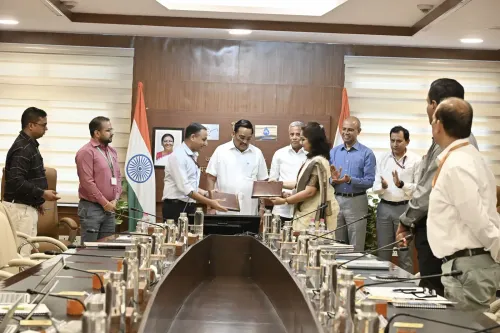
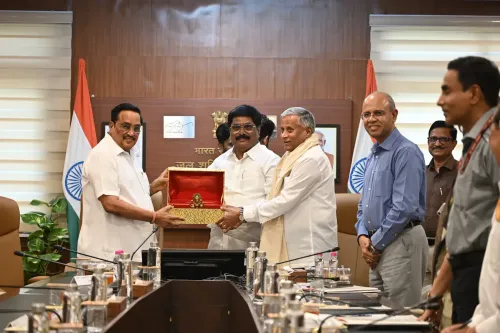
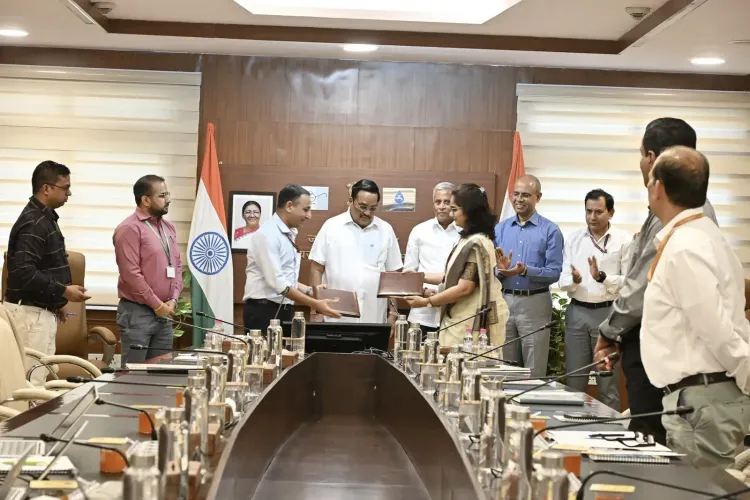
Union Jal Shakti Minister C. R. Paatil announced on Tuesday, June 2, 2026, that the Department of Drinking Water and Sanitation under the Jal Shakti Ministry has signed a Memorandum of Understanding with the Arunachal Pradesh government under Jal Jeevan Mission 2.0, aimed at strengthening drinking water services and achieving holistic development across the state.
Context
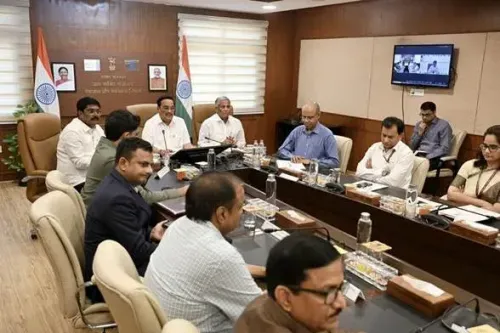
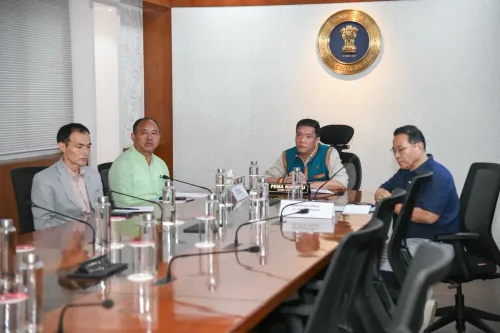
Paatil posted on X that the MoU was signed in the presence of Arunachal Pradesh Chief Minister Pema Khandu, PHED Minister Mama Naatung, and senior state officials. Union Minister of State for Jal Shakti V. Somanna and the Secretary of the Department of Drinking Water and Sanitation (DDWS) along with senior DDWS officials were also present at the signing ceremony.
In his post, Paatil credited Prime Minister Narendra Modi for providing the leadership under which this initiative is being pursued, describing the MoU as a step toward 'peyajal sevaon ka sudridhikaran evam samagra vikas' (strengthening of drinking water services and comprehensive development).
Policy Backdrop
The original Jal Jeevan Mission was launched in August 2019 with the goal of providing functional household tap connections — the 'Har Ghar Jal' (water to every home) commitment — to all rural households. The mission's extension as JJM 2.0 signals a renewed push to consolidate and deepen coverage, particularly in geographically challenging regions of the northeast.
The Arunachal Pradesh government also reaffirmed its commitment to advance work under the 'Arunachal Jal Sankalp' campaign and the 'Arunachal Pradesh Catchment Area Protection Act' for water conservation and long-term water security. These state-level instruments reflect a broader shift in JJM's focus from connection-building to source sustainability and climate-resilient water management in hilly terrain.
The Vibrant Village Programme, announced in the 2022-23 Union Budget, targets development of villages along the India-China border in Arunachal Pradesh and other Himalayan states. The new MoU explicitly commits to strengthening water services in Vibrant Village Programme areas, aspirational districts, and other difficult geographical zones.
Stakeholders and Impact
The most immediate beneficiaries are rural households in Arunachal Pradesh, a state characterised by dispersed settlements, high-altitude terrain, and historically limited piped water infrastructure. Border villages under the Vibrant Village Programme stand to gain particular attention under the MoU's inclusive-development mandate.
The integration of water-access goals with border-development programmes carries strategic significance: improved civic amenities in frontier villages are seen as central to discouraging migration away from border areas, a stated objective of the Vibrant Village Programme since its inception.
What's Next
Attention will now turn to the physical and financial targets agreed upon under the MoU, and whether dedicated funding for Arunachal Pradesh will be reflected in revised JJM 2.0 guidelines or the next Union Budget. The Arunachal government's commitments under the Arunachal Jal Sankalp campaign and the Catchment Area Protection Act will also be watched as indicators of how effectively source-sustainability measures complement the central government's tap-connection targets. Progress on water access in aspirational districts and Vibrant Village Programme zones will serve as a key metric for inclusive development in India's northeast.
Point of View
Embedding a strategic border-development rationale within what is nominally a welfare scheme. The inclusion of the Catchment Area Protection Act and the Jal Sankalp campaign signals that JJM 2.0 is attempting to move beyond connection counts toward source sustainability, a necessary evolution given the climate vulnerabilities of northeastern watersheds. For the BJP, the optics of a Delhi-Itanagar alignment on a visible public-goods programme reinforces the party's governance narrative in a state it controls. The real test will be whether physical targets in aspirational and border districts translate into sustained water access rather than headline-level tap-connection numbers.
NationPress
21 Oct 2026
Frequently Asked Questions
What is Jal Jeevan Mission 2.0?
Jal Jeevan Mission 2.0 is the extended phase of the central government's flagship programme, originally launched in August 2019, to provide functional tap water connections to every rural household in India under the 'Har Ghar Jal' commitment.
What did the Arunachal Pradesh MoU under JJM 2.0 involve?
The MoU signed on June 2, 2026, between the Department of Drinking Water and Sanitation and the Arunachal Pradesh government commits to strengthening drinking water services across the state, with special focus on border villages under the Vibrant Village Programme and aspirational districts.
Who attended the JJM 2.0 MoU signing with Arunachal Pradesh?
Chief Minister Pema Khandu, PHED Minister Mama Naatung, Union Minister of State for Jal Shakti V. Somanna, the DDWS Secretary, and senior state and central officials were present at the signing ceremony.
What is the Vibrant Village Programme and how is it linked to water access?
The Vibrant Village Programme, announced in the 2022-23 Union Budget, focuses on developing villages along the India-China border in Himalayan states including Arunachal Pradesh; the JJM 2.0 MoU specifically commits to strengthening water services in these border villages.
What is the Arunachal Jal Sankalp campaign?
The Arunachal Jal Sankalp is a state-level campaign through which the Arunachal Pradesh government has pledged to advance water conservation and long-term water security, complementing the central government's JJM 2.0 targets.