Arunachal CMO: Khandu signs Jal Jeevan Mission 2.0 MoU with Centre
Synopsis
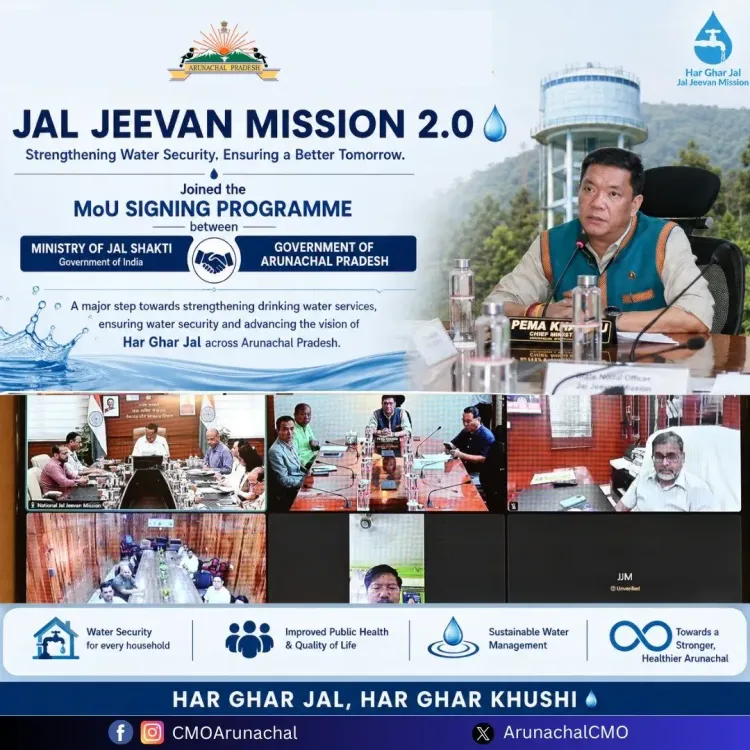
The Chief Minister's Office of Arunachal Pradesh said CM Pema Khandu joined an MoU signing between the Ministry of Jal Shakti and the state under Jal Jeevan Mission 2.0, aimed at strengthening drinking water services and ensuring long-term water security across the Northeastern state's rural areas.
Key Takeaways
Arunachal Pradesh signed an MoU with the Ministry of Jal Shakti under Jal Jeevan Mission 2.0 .
CM Pema Khandu attended the signing programme, the state CMO announced.
The pact targets stronger drinking water services and long-term water security statewide.
Jal Jeevan Mission was launched in August 2019 for rural tap connections.
The state Public Health Engineering Department is expected to lead implementation.
Rollout milestones and coverage targets will be tracked in coming budget cycles.
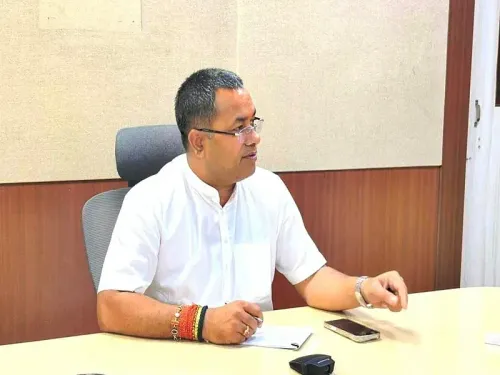
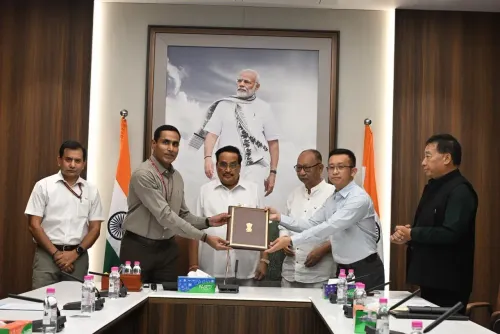
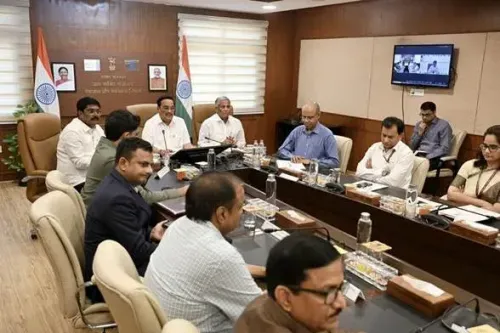
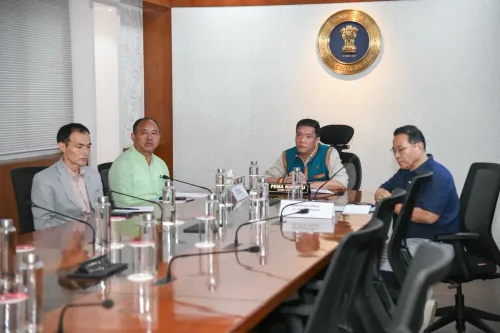
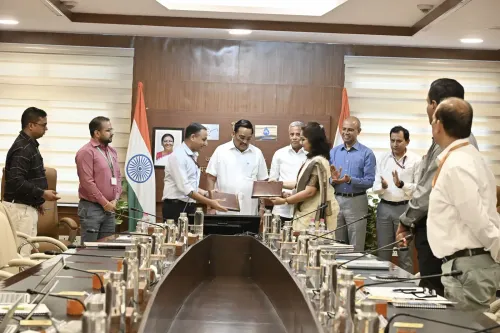
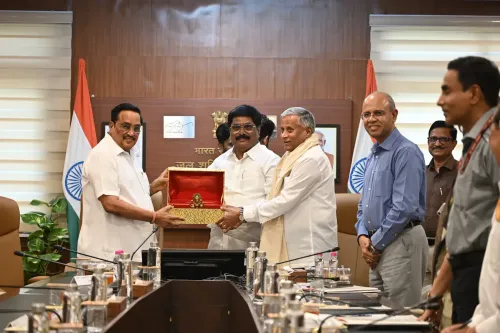
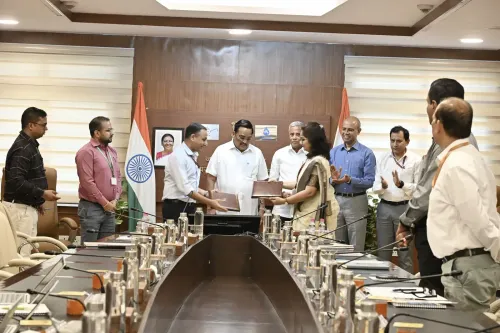
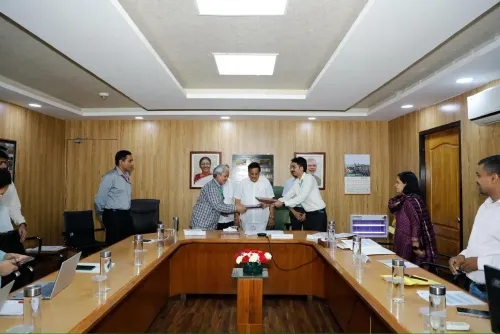
The Chief Minister's Office of Arunachal Pradesh announced that Chief Minister Pema Khandu participated in a Memorandum of Understanding signing programme between the Ministry of Jal Shakti and the Government of Arunachal Pradesh under Jal Jeevan Mission 2.0. The CMO said the pact is aimed at 'strengthening drinking water services and ensuring long-term water security' across the Northeastern state.
Context
In its post, the CMO noted that the agreement seeks to consolidate gains made under the rural drinking water programme and to extend reliable piped supply deeper into Arunachal's hilly districts. The signing brings the state formally onto the next phase of the Centre's flagship water mission, with the State Public Health Engineering Department expected to anchor implementation on the ground.
Arunachal Pradesh, with its rugged terrain and dispersed tribal habitations, has historically faced steep logistical costs in building and maintaining water infrastructure. A fresh MoU framework typically codifies central transfers, state counterpart funding and reporting obligations, providing a structured roadmap for the period ahead.
Policy backdrop
The original Jal Jeevan Mission was launched in August 2019 with the goal of providing a Functional Household Tap Connection to every rural household in India. The mission has since served as the central government's principal vehicle for rural drinking water delivery, working in partnership with states that sign implementation MoUs and submit annual action plans.
Northeastern states, including Arunachal Pradesh, have featured prominently in successive rounds of mission expansion, given the gap between national coverage averages and on-the-ground service levels in remote villages. The state has previously participated in multiple central infrastructure missions to bridge these gaps in basic services.
Stakeholders and impact
The most direct beneficiaries are rural households in Arunachal Pradesh, particularly those in upland and border-area villages where seasonal sources and gravity-fed schemes can be unreliable. The state's Public Health Engineering Department will likely lead scheme design, contractor onboarding and operations-and-maintenance arrangements at the panchayat level.
For the Union Ministry of Jal Shakti, the MoU is part of a continuing engagement with state governments to sustain tap-connection coverage already achieved and to push service quality, water quality testing and source sustainability. Local self-government institutions and village water and sanitation committees typically play a frontline role in monitoring.
What's next
Attention now turns to the operational details that will follow the signing: target household numbers, district-wise rollout sequencing, fund-release milestones and the technical standards that schemes must meet. These typically surface in subsequent state budget documents and in mission dashboards maintained by implementing agencies.
For Chief Minister Pema Khandu, who has led the state since 2016, the agreement adds another central-scheme anchor to his administration's infrastructure agenda, alongside ongoing work on roads, power and connectivity. Sustaining tap-water service in a state where maintenance is as challenging as construction will be the longer test.
If implementation tracks the ambition outlined in the CMO's announcement, the MoU could mark a shift from a coverage-led phase of the mission to a service-and-sustainability phase in Arunachal Pradesh — a transition that several states are now navigating as the original mission targets mature.
Point of View
Where the conversation is shifting from first-time tap connections to sustained service delivery and source security. For a topographically difficult state like Arunachal Pradesh, an MoU-anchored framework matters less for headline coverage numbers and more for the discipline it imposes on operations and maintenance. Politically, it lets the state government bolt its infrastructure narrative onto a recognised central brand. The real test will be how quickly the agreement translates into measurable changes in village-level water reliability.
NationPress
26 Sept 2026
Frequently Asked Questions
What is Jal Jeevan Mission 2.0?
It is the continuing phase of the Centre's flagship rural drinking water programme, taken forward through fresh MoUs with state governments. The original Jal Jeevan Mission was launched in August 2019 to provide functional household tap connections to all rural households in India.
Who signed the Jal Jeevan Mission MoU with Arunachal Pradesh?
The MoU was signed between the Union Ministry of Jal Shakti and the Government of Arunachal Pradesh. Chief Minister Pema Khandu joined the signing programme, according to the state Chief Minister's Office.
What does the Arunachal Pradesh water MoU aim to achieve?
The agreement is aimed at strengthening drinking water services and ensuring long-term water security across Arunachal Pradesh. It is expected to guide rural piped water rollout and operations in the state's hilly districts.
Who is the Chief Minister of Arunachal Pradesh?
Pema Khandu is the Chief Minister of Arunachal Pradesh and has led the state government since 2016. He represents the state in central scheme engagements such as the Jal Jeevan Mission MoU.
Which department implements Jal Jeevan Mission in Arunachal Pradesh?
The state Public Health Engineering Department typically anchors Jal Jeevan Mission implementation in Arunachal Pradesh. Village water and sanitation committees and panchayat institutions play a supporting role at the local level.