Jal Jeevan Mission 2.0: Centre signs MoU with Andaman and Nicobar administration
Synopsis
The Centre has signed a Jal Jeevan Mission 2.0 MoU with the Andaman and Nicobar administration — but the bigger story is what this second phase represents: a deliberate pivot from counting tap connections to guaranteeing water that actually flows. With the islands already at full household coverage, the new agreement is about accountability, not infrastructure.
Key Takeaways
The Centre signed a Jal Jeevan Mission 2.0 MoU with the Andaman and Nicobar Islands administration on 18 May .
The agreement focuses on safe, regular, and sustainable drinking water delivery in remote and island regions.
The Union Cabinet extended the Jal Jeevan Mission until December 2028 in March.
The Andaman and Nicobar Islands have more than 62,000 rural household tap connections, up from 46% coverage in 2019 .
Mission 2.0 shifts emphasis from infrastructure creation to governance, community participation, and source sustainability.
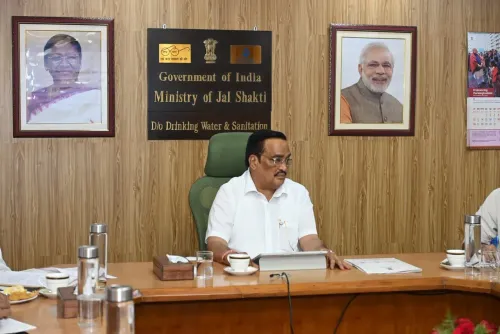
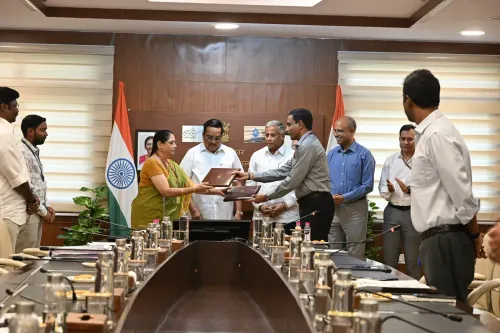
The Centre on Monday, 18 May signed a memorandum of understanding with the Andaman and Nicobar Islands administration under Jal Jeevan Mission 2.0, aimed at strengthening safe, regular, and sustainable drinking water services across the remote archipelago. Union Jal Shakti Minister C.R. Patil announced the development, describing it as a key step in fulfilling the government's 'Har Ghar Jal' commitment.
What the MoU Covers
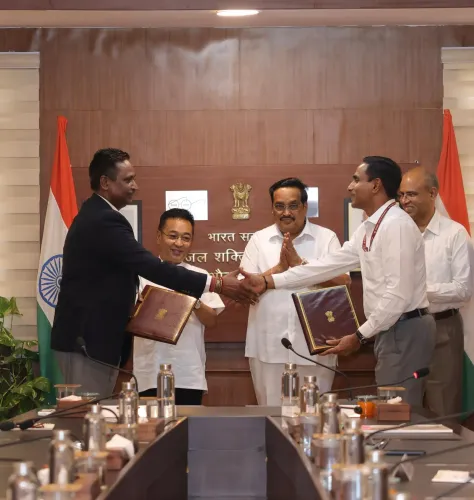
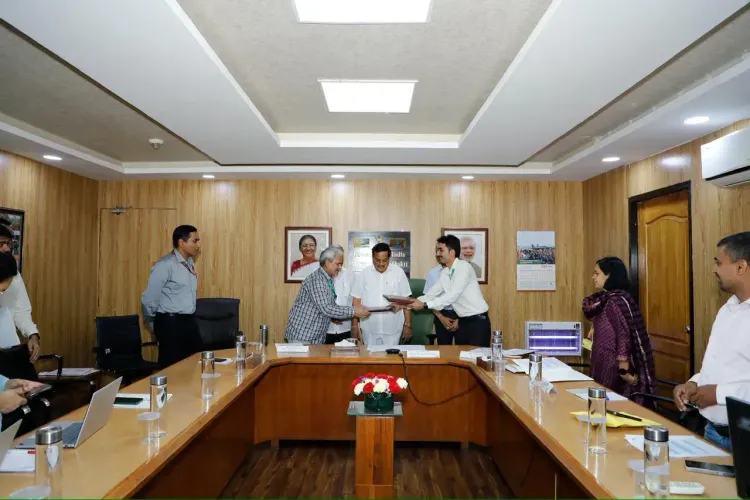
The agreement was signed between the Department of Drinking Water and Sanitation under the Ministry of Jal Shakti and the Andaman and Nicobar administration. According to Patil, the MoU was executed 'under the inspiration and guidance of Prime Minister Narendra Modi as part of efforts to fulfil the Har Ghar Jal commitment.'
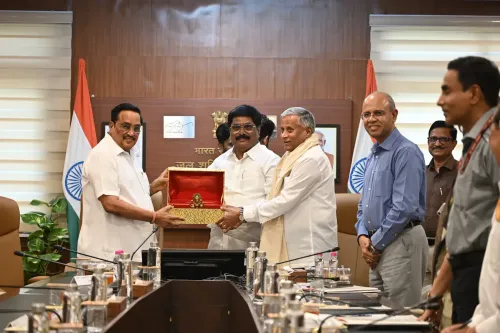
The signing ceremony was attended by Lieutenant Governor Admiral D.K. Joshi, Union Minister of State for Jal Shakti V. Somanna, and senior officials from both the ministry and the Union Territory administration.
Shift from Infrastructure to Sustainability
The MoU reflects a broader strategic shift in Jal Jeevan Mission 2.0 — from building physical infrastructure to ensuring long-term service delivery. The Union Cabinet in March approved the extension of the mission until December 2028. The restructured programme now emphasises governance reforms, community participation, and source sustainability measures such as water conservation and rainwater harvesting, according to the Ministry of Jal Shakti.
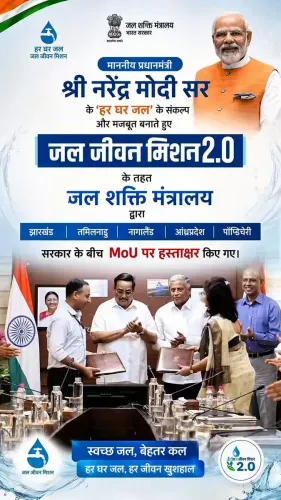
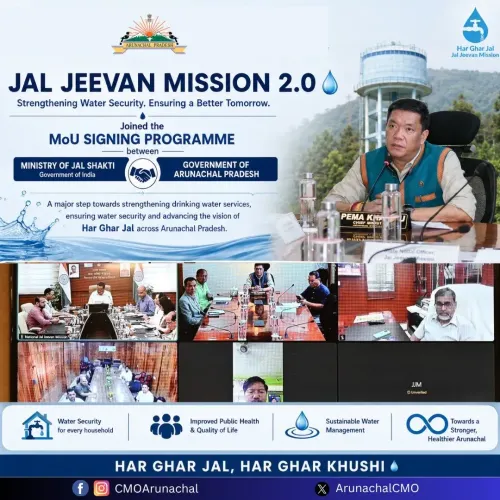
Notably, the Centre has been inking reform-linked MoUs with multiple States and Union Territories as part of a push to improve accountability, operation and maintenance of rural water systems, and strengthen village-level participation in water management.
Andaman and Nicobar's Water Coverage Progress
Official data from the Jal Jeevan Mission portal shows that the Andaman and Nicobar Islands had already achieved full household tap water coverage under the mission's first phase. The Union Territory now has more than 62,000 rural households with tap water connections — a significant rise from coverage of around 46 per cent when the programme was launched in 2019.
This progress positions the islands as one of the mission's early success stories, even as the second phase pivots toward service quality and sustainability rather than mere connection counts.
What Comes Next
With the MoU in place, the focus shifts to operationalising reform commitments — including community-managed water committees, regular water quality testing, and sustainable source management across the island chain. The Centre's approach of tying MoUs to accountability benchmarks signals that future disbursements under Mission 2.0 may be linked to measurable service outcomes rather than infrastructure targets alone.
Point of View
Reliably and safely, in islands where logistics and maintenance capacity are chronically thin. Mission 2.0's reform-linked MoU architecture is the right instinct, but its credibility depends entirely on whether accountability benchmarks are independently verified or simply self-reported by the same administrations signing the agreements.
NationPress
22 Sept 2026
Frequently Asked Questions
What is the Jal Jeevan Mission 2.0 MoU signed with Andaman and Nicobar?
It is a memorandum of understanding signed on 18 May between the Department of Drinking Water and Sanitation under the Ministry of Jal Shakti and the Andaman and Nicobar Islands administration. The MoU aims to strengthen safe, regular, and sustainable drinking water services across the remote island territory under the second phase of the Jal Jeevan Mission.
How far has Andaman and Nicobar come on tap water coverage?
According to official Jal Jeevan Mission portal data, the Andaman and Nicobar Islands have achieved full household tap water coverage. The Union Territory now has more than 62,000 rural households with tap connections, compared with around 46 per cent coverage when the programme launched in 2019.
Until when has the Jal Jeevan Mission been extended?
The Union Cabinet approved an extension of the Jal Jeevan Mission until December 2028 in March. The second phase shifts focus from building infrastructure to ensuring long-term service delivery, governance reforms, and water source sustainability.
Who attended the MoU signing ceremony?
The signing was attended by Lieutenant Governor Admiral D.K. Joshi, Union Minister of State for Jal Shakti V. Somanna, and senior officials from the Ministry of Jal Shakti and the Andaman and Nicobar administration.
What does Jal Jeevan Mission 2.0 prioritise differently from the first phase?
While the first phase focused on creating tap water connections and expanding household coverage, Mission 2.0 emphasises reliable service delivery, governance accountability, community participation in water management, and source sustainability through water conservation and rainwater harvesting.