Gujarat Partners with Centre for Jal Jeevan Mission 2.0 to Enhance Rural Water Supply
Synopsis
Gujarat has signed a pivotal agreement with the Centre under Jal Jeevan Mission 2.0, aimed at advancing rural water supply systems. The initiative follows the successful completion of universal household tap connections, committing to improved water accessibility and sustainability.
Key Takeaways
Gujarat's Commitment: The state government is dedicated to providing clean water across all regions.
MoU Significance: The agreement marks a pivotal moment for rural development in Gujarat.
Focus on Sustainability: Ensuring long-term viability of water resources is a primary goal.
Digital Monitoring: Tools like 'Sujalam Bharat' will be utilized for enhanced oversight.
Community Involvement: Local committees will play a crucial role in water management.
Gandhinagar/New Delhi, March 20 (NationPress) The state government of Gujarat has formally signed a crucial agreement with the central government as part of the second phase of the Jal Jeevan Mission. This initiative is dedicated to enhancing and solidifying the rural drinking water supply systems, following the successful achievement of universal household tap connections in 2022.
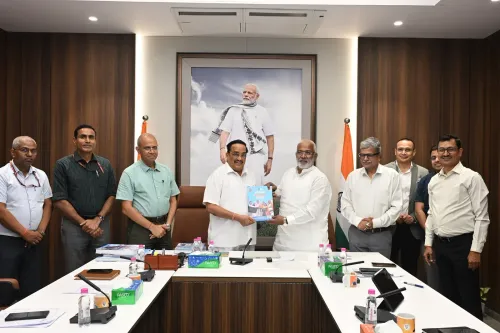
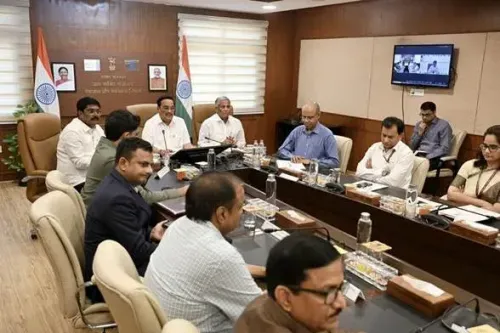
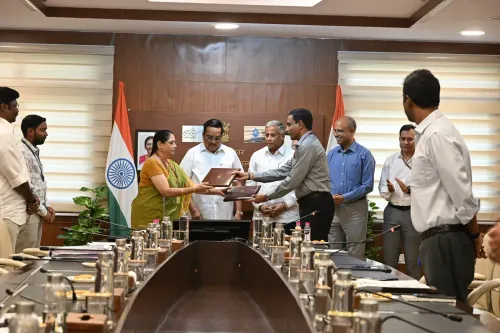
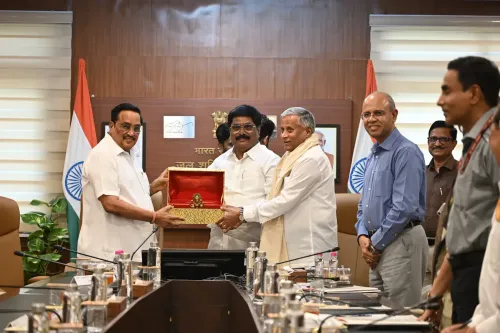
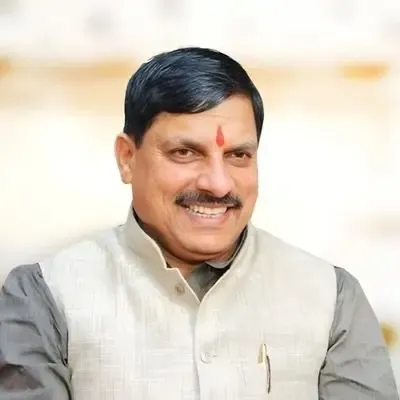
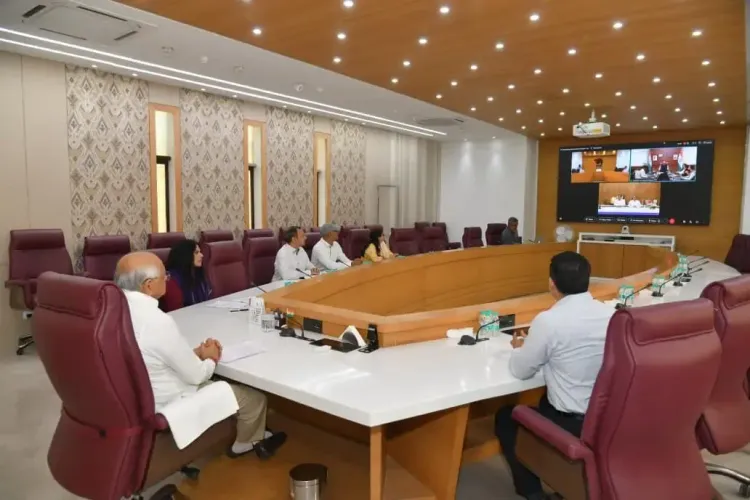
The memorandum of understanding (MoU) was executed between the Gujarat government and the Department of Drinking Water and Sanitation of the Centre, with Chief Minister Bhupendra Patel and Union Jal Shakti Minister C.R. Patil present at the signing.
This agreement is set to significantly enhance the accessibility, reliability, and long-term viability of drinking water facilities in rural regions under Jal Jeevan Mission 2.0.
Union Minister Patil and state Water Supply Minister Ishwarsinh Patel participated in the event via video conference.
During the ceremony, Patel stated, “Our government is devoted to ensuring that every part of the state, including the most isolated areas, has access to adequate and clean drinking water.”
He emphasized, “This MoU will play a pivotal role in managing drinking water resources in Gujarat and will contribute to the qualitative upliftment of rural life.”
Patel further remarked, “Gujarat prioritizes the successful implementation of every Centre scheme,” referring to the agreement as a landmark achievement and asserting that the MoU will significantly contribute to the state's rural development.
He highlighted the commitment to ensure that every household receives clean and safe drinking water, moving forward with renewed determination.
The Jal Jeevan Mission was inaugurated on August 15, 2019, aimed at providing tap connections for drinking water to all rural households under the “Har Ghar Jal” initiative. Gujarat successfully met this target by October 2022.
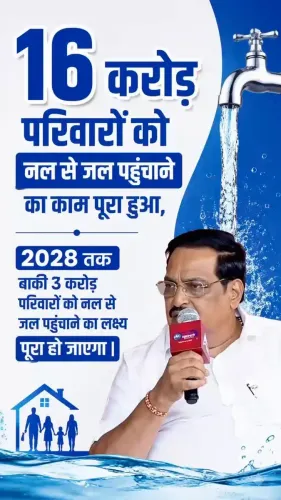
With the Jal Jeevan Mission 2.0, the focus is now on enhancing infrastructure, ensuring a consistent supply, and maintaining the sustainability of water systems by 2028.
Officials noted that the MoU enhances the implementation, monitoring, and transparency of water supply initiatives.
It requires the timely completion and quality assurance of projects, their transfer to village panchayats, and the establishment of operation and maintenance (O&M) systems.
At the village level, water management will be overseen by Village Water and Sanitation Committees (VWSC), with a strong focus on the long-term security and sustainability of water sources.
The agreement also stresses the use of digital tools like ‘Sujalam Bharat’ and ‘PM Gati Shakti’ to boost monitoring and transparency.
Additional measures include water quality assessments, financial accountability, and human resource training through initiatives like ‘Nal Jal Mitra’, alongside public awareness campaigns such as 'Jal Utsav' aimed at promoting water conservation.
The roles of both governments are clearly delineated in the MoU, with the Centre responsible for oversight, funding, and monitoring, while the state will manage implementation, policy development, and technical assistance.
Point of View
It is essential to recognize the strategic partnership between Gujarat and the Centre under Jal Jeevan Mission 2.0. This initiative not only aims to enhance water supply systems but also underscores the commitment to improving the quality of life in rural areas, reflecting a nation-first approach focused on sustainable development.
NationPress
23 Sept 2026
Frequently Asked Questions
What is the Jal Jeevan Mission 2.0?
Jal Jeevan Mission 2.0 is an initiative aimed at strengthening and sustaining rural drinking water supply systems, building upon the successful provision of universal household tap connections achieved in 2022.
What does the recent MoU between Gujarat and the Centre entail?
The MoU focuses on improving the accessibility, reliability, and sustainability of drinking water in rural areas and includes measures for enhanced implementation, monitoring, and transparency of water supply schemes.
What key goals are set under Jal Jeevan Mission 2.0?
The primary goals include enhancing infrastructure, ensuring regular water supply, and maintaining the sustainability of water systems by 2028.
Who is responsible for the implementation of the water supply initiatives?
The state government of Gujarat is responsible for implementation, while the Centre will oversee guidance, funding, and monitoring.
How will water management be handled at the village level?
Village Water and Sanitation Committees (VWSC) will manage water resources at the village level, focusing on long-term sustainability and security of water sources.