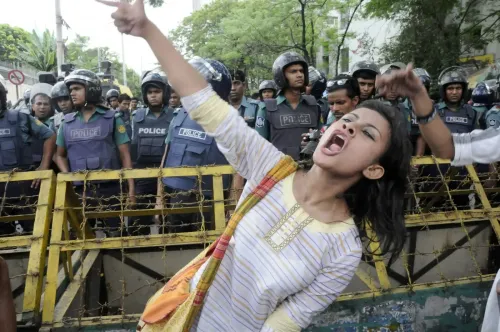
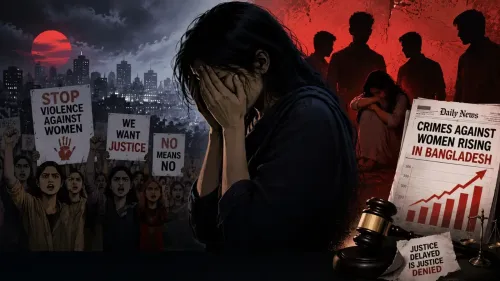
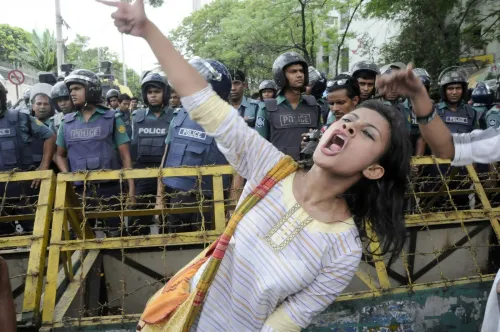
Bangladesh mob violence deaths, gang rapes surge in October: Rights body
Synopsis
Bangladesh saw mob violence deaths climb 39% and gang rapes surge 75% in October alone, according to rights body MSF. Attacks on minority worship sites tripled. A separate rights report documented 2,774 children and adolescents arrested in a single month — with the real number likely higher. The data signals a compounding public-safety and human-rights crisis that authorities have yet to publicly address.
Key Takeaways
Mob violence deaths in Bangladesh rose from 23 in September to 32 in October, according to MSF .
Gang rape incidents surged 75% , from 12 to 21 cases in October.
Attacks on minority places of worship tripled, rising from 10 to 35 incidents.
84 women and children were killed in October, including 20 children and adolescents .
At least 2,774 children and adolescents were arrested or detained in a single month, per JMBF ; Cumilla alone accounted for 2,035 of those cases.
Journalist attacks declined slightly from 28 to 23 , but rights groups say the overall violence trend remains deeply concerning.
Deaths from mob violence and gang rape incidents climbed sharply in Bangladesh in October 2026, according to the Manabadhikar Shongskriti Foundation (MSF), a local human rights body whose monthly monitoring report was cited by Bangladeshi newspaper The Daily Star. The data paints a deteriorating picture of public safety across the country, with multiple categories of violence recording month-on-month increases.
Mob Violence and Sexual Crimes
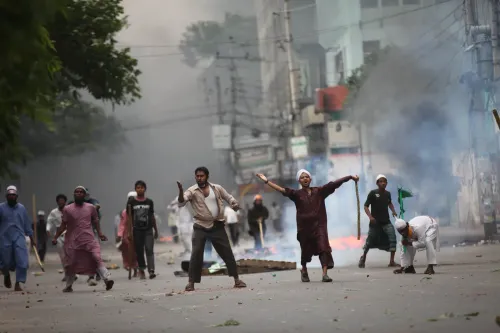
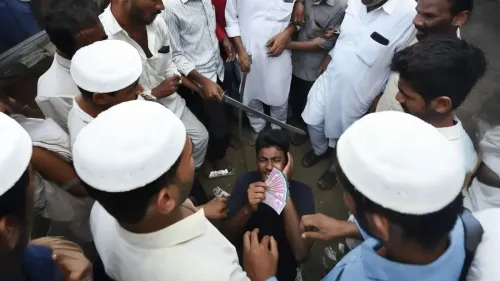
Mob violence deaths rose to 32 in October, up from 23 in September — a jump of nearly 39% in a single month. Gang rape incidents surged even more starkly, climbing from 12 to 21, a rise of 75%. According to MSF's report, the mob violence incidents stemmed from verbal altercations, theft allegations, extortion, land disputes, drug-linked conflicts, and muggings.
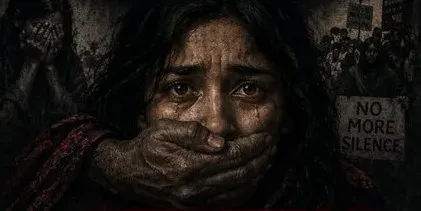
Overall violence against women and children edged up from 354 to 357 cases, while sexual harassment and abuse cases rose from 16 to 25. Sexual abuse cases involving boys increased from seven to 10. A total of 84 women and children were killed during the month, including 20 children and adolescents.
Minority Communities Under Pressure
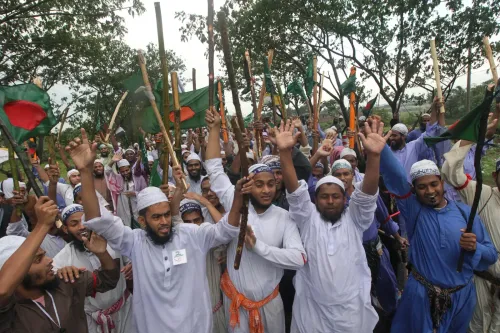
MSF recorded a sharp increase in attacks targeting religious minority communities. Incidents of vandalism or theft at places of worship belonging to minority groups surged from 10 to 35 — a more than threefold rise. The rights body also documented vandalism at minority homes in Rangpur and Pirojpur, and recorded injuries in attacks on markets in Brahmanbaria and Kushtia. This comes amid a broader pattern of reported insecurity for minority communities in Bangladesh that rights groups have flagged over recent months.
Political Violence and Unidentified Bodies
Factional clashes involving the Bangladesh Nationalist Party (BNP) and the Awami League resulted in deaths rising from one to five. An additional nine people were killed in attacks by unidentified assailants. The number of unidentified bodies recovered increased from 71 to 73, while bodies recovered after initial identification fell from 14 to four. Notably, illegal arbitration over criminal matters rose sharply from one to six cases, suggesting growing reliance on extrajudicial mechanisms. Six newborn babies were found abandoned during the month; five were rescued alive, according to MSF.
Mass Arrests of Children Documented Separately
A separate report by Justice Makers Bangladesh in France (JMBF), published on 26 October, documented the arrest or detention of at least 2,774 children and adolescents across Bangladesh within a single month. The report covered 12 incidents and a series of operations across four divisions and eight districts between 23 September and 22 October.
Cumilla recorded the highest district-level figure at 2,035 children and adolescents arrested or detained. Chattogram division accounted for 2,418 cases, followed by Sylhet with 300, Rajshahi with 50, and Barishal with six. JMBF warned that the actual numbers are likely higher, as several incidents remain undocumented or did not reach its monitoring network.
Press Freedom and Cyber Cases
On a marginally positive note, attacks and harassment involving journalists declined from 28 to 23, and legal harassment cases fell from nine to one. Cases under cyber-related laws also dropped from eight to two. However, rights observers caution that month-on-month dips in these categories do not offset the broader violence trajectory documented for October. With multiple rights bodies now publishing concurrent monitoring reports, pressure on Bangladeshi authorities to respond with enforceable accountability measures is expected to grow.
Point of View
Combined with the near-doubling of gang rape incidents, points to enforcement gaps that political churn has widened rather than closed. The JMBF finding of 2,774 children detained in one month adds a separate layer of alarm: mass juvenile detention in unstructured operations suggests security responses are themselves becoming a rights concern. What is missing from the current discourse is any official counter-narrative or accountability framework from Dhaka — a silence that, if sustained, will only embolden rights bodies to escalate international pressure.
NationPress
2 Nov 2026
Frequently Asked Questions
How many people died in mob violence in Bangladesh in October 2026?
According to the Manabadhikar Shongskriti Foundation (MSF), 32 people were killed in mob violence in Bangladesh in October 2026, up from 23 in September. The incidents were linked to verbal altercations, theft allegations, land disputes, and drug-related conflicts.
By how much did gang rape incidents rise in Bangladesh in October?
Gang rape incidents rose 75% in October, climbing from 12 cases in September to 21 in October, according to MSF's monthly monitoring report. The data was cited by Bangladeshi newspaper The Daily Star.
What happened to minority communities in Bangladesh in October 2026?
Attacks on minority places of worship more than tripled, rising from 10 to 35 incidents in October, according to MSF. Vandalism was also recorded at minority homes in Rangpur and Pirojpur, and people were injured in market attacks in Brahmanbaria and Kushtia.
How many children were arrested or detained in Bangladesh in a single month?
At least 2,774 children and adolescents were arrested or detained between 23 September and 22 October 2026, according to Justice Makers Bangladesh in France (JMBF). The rights body warned the actual figure is likely higher as some incidents remain undocumented.
Which district recorded the most child detentions in Bangladesh?
Cumilla recorded the highest district-level figure, with 2,035 children and adolescents arrested or detained. At the divisional level, Chattogram accounted for 2,418 cases — the highest among the four divisions documented in the JMBF report.