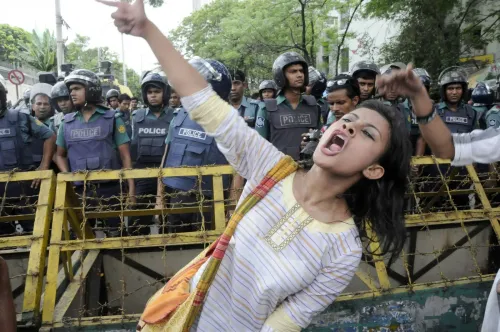
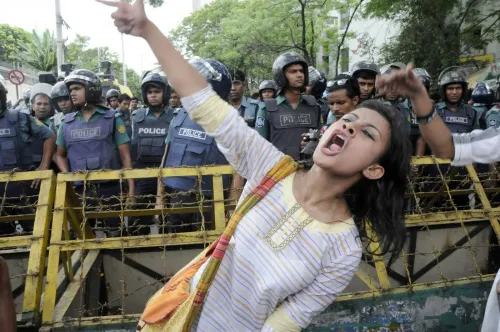
Bangladesh violence against women: BMP flags 'deep national crisis' in 2025 report
Synopsis
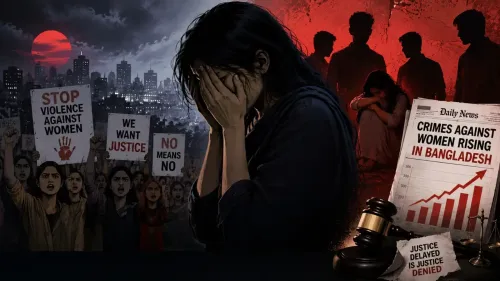
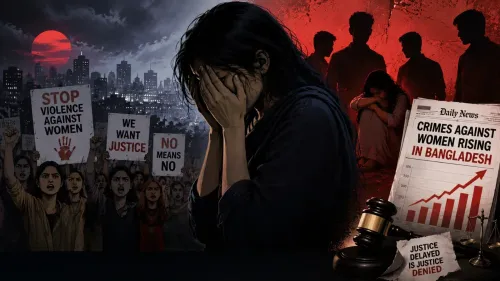
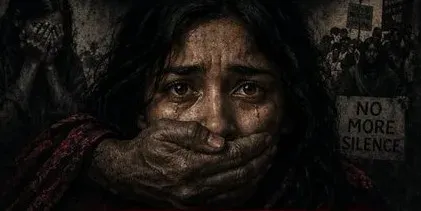
A Dhaka-based women's rights body has put hard numbers to what it calls a 'deep national crisis': 756 women murdered, 142 girls gang-raped, and homemakers accounting for 94 per cent of dowry violence victims. The BMP report's starkest finding — that girls aged six to nine face the highest rape risk — signals a systemic failure of protection at every stage of life.
Key Takeaways
Bangladesh Mahila Parishad (BMP) presented its findings at the Jatiya Press Club, Dhaka on 28 July , declaring a 'deep national crisis' of violence against women.
Among adult women, 756 murder cases were recorded — the highest in any category — alongside 376 rape cases and 125 sexual harassment cases .
Girl children faced 142 gang rape cases , 117 attempted rape cases , and 203 suicides .
Homemakers accounted for 58% of murder victims, 63% of suicide victims, and 94% of dowry-related violence victims.
Girl students made up 80% of attempted rape victims and reportedly 100% of child marriage cases in the dataset.
BMP President Fauzia Moslem cited entrenched impunity and victim-blaming as the primary enablers of perpetrator accountability gaps.
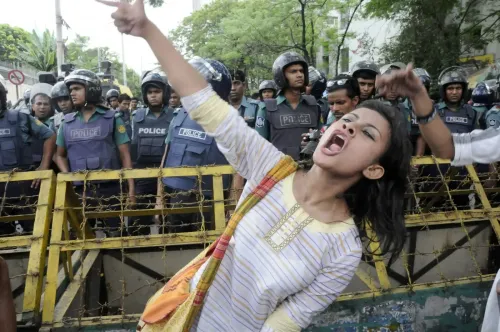
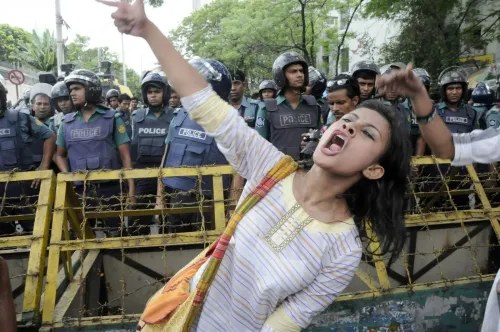
Bangladesh is confronting what women's rights advocates are calling a 'deep national crisis' of gender-based violence, according to a study presented by Bangladesh Mahila Parishad (BMP) at a press conference held at the Jatiya Press Club in Dhaka on 28 July. The findings document alarming levels of rape, gang rape, murder, suicide, dowry-related violence, sexual harassment, and child marriage affecting women and girls across all age groups in the country.
Key Findings From the BMP Report
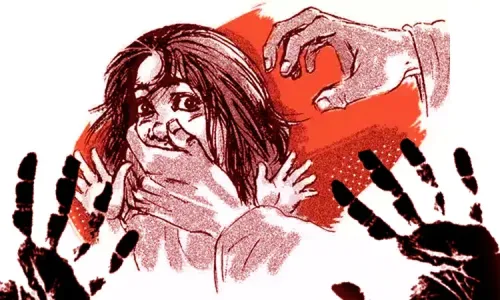
Among girl children, the report recorded 142 cases of gang rape, 117 cases of attempted rape, and 203 suicides. The data indicates that girls face a disproportionately higher risk of sexual violence during childhood, while threats of murder and suicide escalate with age.
For adult women, the BMP documented 756 murder victims — the highest in any category — alongside 376 rape victims and 125 victims of sexual harassment, according to reporting by The Daily Star.
Who Is Most at Risk
A profession-wise breakdown in the report reveals that homemakers bear the heaviest burden of violence. They account for 58 per cent of murder victims, 63 per cent of suicide victims, and a staggering 94 per cent of dowry-related violence victims.
Girl students, meanwhile, make up 80 per cent of attempted rape victims, 67 per cent of suicide victims, 39 per cent of gang rape victims, and reportedly every documented case of child marriage in the study's dataset. The report concludes that neither homes nor educational institutions currently provide a safe environment for women and girls across Bangladesh.
What BMP Says Is Enabling the Crisis
The organisation identified entrenched impunity, interference by influential individuals, delayed investigations, weak witness testimony, inadequate evidence collection, and the social practice of victim-blaming as the primary factors allowing perpetrators to evade accountability.
Fauzia Moslem, President of BMP, underscored the pervasive nature of the threat. 'The most important issue is that there is no specific age at which women become victims of violence. From a six-year-old child to a housewife over the age of 60, women remain at risk throughout every stage of life,' she said, as quoted by The Daily Star.
Moslem further noted that girls aged six to nine accounted for the highest number of rape victims in the study — a finding she described as a deeply disturbing reflection of society. She also voiced concern over the concurrent surge in murders alongside rape cases, pointing to a dual escalation of sexual violence and lethal threats facing women.
What BMP Is Demanding
The Bangladesh Mahila Parishad called for effective enforcement of existing laws, faster trials, stronger institutional accountability, and wider public awareness campaigns. The organisation stressed that legislative frameworks alone are insufficient without meaningful implementation and a cultural shift away from victim-blaming.
As Bangladesh's political and civil society landscape continues to evolve, advocates say the government's response to this documented crisis will be a critical test of its commitment to gender justice.
Point of View
Not merely policing gaps. What is striking this year is the data on girls aged six to nine facing the highest rape risk — an indictment of child protection frameworks that remain under-resourced and under-enforced. Bangladesh has laws on the books; the crisis documented here is one of implementation, political will, and a justice system that influential actors can routinely obstruct.
NationPress
27 Oct 2026
Frequently Asked Questions
What did the Bangladesh Mahila Parishad report find?
The BMP report found that Bangladesh is experiencing a 'deep national crisis' of violence against women and girls, documenting 756 murders, 376 rapes, and 142 gang rape cases among its key findings. The study was presented at the Jatiya Press Club in Dhaka on 28 July.
Who is most affected by gender-based violence in Bangladesh according to the report?
Homemakers are the most affected group, accounting for 58 per cent of murder victims, 63 per cent of suicide victims, and 94 per cent of dowry-related violence victims. Girl students and young girls are most at risk of sexual violence, including attempted rape and gang rape.
What age group faces the highest risk of rape in Bangladesh?
According to BMP President Fauzia Moslem, girls aged six to nine accounted for the highest number of rape victims in the study. The report found that sexual violence risk is disproportionately concentrated in childhood, while murder and suicide risks rise with age.
Why are perpetrators of violence against women escaping accountability in Bangladesh?
The BMP report cites entrenched impunity, interference by influential individuals, delayed investigations, weak evidence and witness testimony, and the social practice of victim-blaming as the key reasons perpetrators evade justice.
What solutions did BMP recommend to address the crisis?
BMP called for effective enforcement of existing laws, speedier trials, stronger institutional accountability, and greater public awareness. The organisation stressed that laws alone are insufficient without meaningful implementation and a cultural shift away from victim-blaming.