Bangladesh women face growing 'gender backlash' amid rising public visibility
Synopsis
A report citing BBS and UNFPA data finds that nearly 76 per cent of Bangladesh's women experience violence in their lifetimes — and that rising female visibility has triggered a coordinated 'gender backlash' spanning street-level moral policing, bot-driven digital harassment, and the weaponisation of religious narratives to silence women in public life.
Key Takeaways
Nearly 76 per cent of women in Bangladesh experience violence at some stage in their lives, according to BBS and UNFPA data cited in the report.
A structural 'gender backlash' has emerged as women's public visibility has grown, driven partly by the resurgence of extremist sentiments.
New forms of digital violence — including coordinated trolling, doxing, image manipulation, and 'bot armies' — are increasingly targeting journalists , politically active women , and university students .
Women face social surveillance, moral policing, and violence in physical public spaces including city streets , campuses , and cultural events .
Religious and moral narratives are reportedly being weaponised to portray women as 'sources of instability' , turning online attacks into an organised strategy to suppress female expression.
The report calls for inclusive dialogue across development, culture, religion, and politics to achieve sustainable gender equity in Bangladesh.
Women in Bangladesh are confronting an intensifying wave of social, cultural, and political resistance even as their visibility in public life has grown, according to a report published by Bangladeshi media outlet New Age. The report warns of a structural 'gender backlash' driven by the resurgence of extremist sentiments and the weaponisation of digital platforms against women.
Scale of Violence Against Women
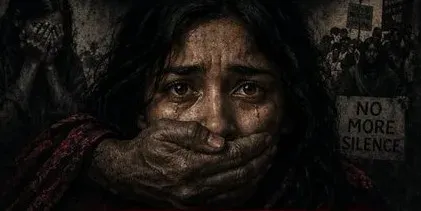
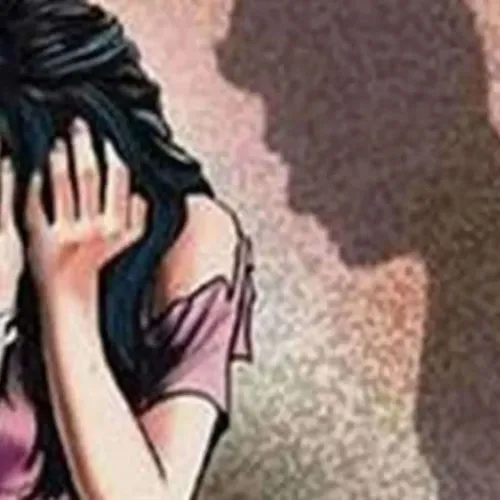
Citing data from the Bangladesh Bureau of Statistics (BBS) and the United Nations Population Fund (UNFPA), the report found that nearly 76 per cent of women in Bangladesh experience violence at some point in their lives. Most incidents go unreported, the report noted, because abuse is routinely treated as a 'strictly domestic or private matter' — a framing that entrenches a culture of silence and normalises harm.
The report described this dynamic as self-reinforcing: the less violence is acknowledged publicly, the more it is permitted to persist without accountability.
Digital Platforms as Tools of Control
The proliferation of digital technology has introduced new and organised forms of violence against women, the report found. These include online harassment, blackmail, the spread of misinformation, and the misuse of personal photographs. Notably, coordinated attacks by online activists affiliated with religious groups have emerged as a recurring pattern.
The report described a rise in 'doxing-style harassment' — a collective term for coordinated trolling, the leaking of personal information, image manipulation, and character assassination — targeting journalists, politically active women, and university students. The deployment of 'bot armies' has amplified this threat, the report stated, instilling deep anxiety among women about their digital presence.
Resistance in Public Spaces
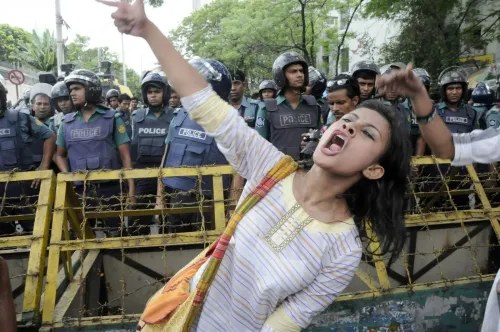
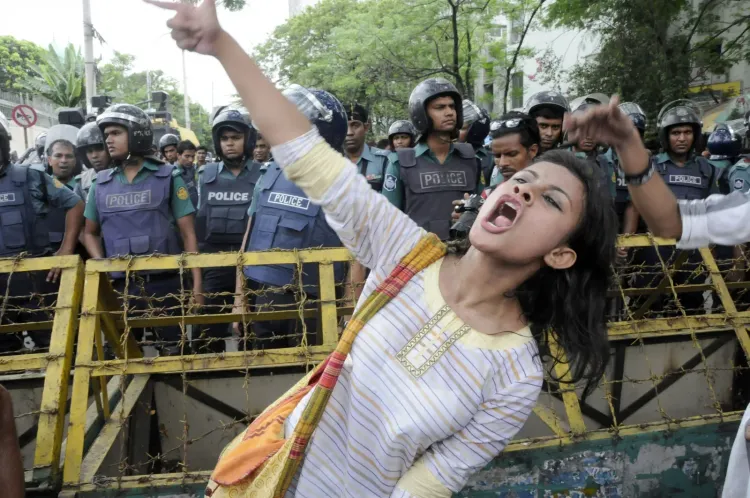
The backlash extends beyond the digital sphere. According to the report, women continue to face significant resistance in physical public spaces — on city streets, university campuses, and at cultural events. They are frequently subjected to social surveillance, moral policing, and, in some cases, outright violence.
The fear of being recorded and made to 'go viral', amplified by a patriarchal mobile journalism landscape, has created a pervasive chilling effect on women's participation in public life. The report described this as evidence of the absence of a 'gender-neutral' environment in public spaces across Bangladesh.
Religion and Moral Narratives Weaponised
The report highlighted how religious and moral narratives are increasingly being used to frame women as 'sources of instability' or 'agents of moral decay'. This framing, critics argue, transforms online violence from isolated personal attacks into a calculated organisational strategy aimed at suppressing women's freedom of expression and their participation in public discourse.
This comes amid a broader political context in Bangladesh where civil society groups have raised concerns about the growing influence of religious conservative forces in public life since the political transition of mid-2024.
Call for Structural Reform
The report called for inclusive dialogue spanning development, culture, religious narratives, and political structures to ensure sustainable gender equity. It argued that piecemeal responses are insufficient given that the backlash operates simultaneously across physical, digital, institutional, and ideological domains.
Whether Bangladesh's transitional political leadership will act on these findings remains to be seen, but the report makes clear that the cost of inaction falls disproportionately on women.
Point of View
Ideologically coordinated resistance to women's visibility. This is not random harassment; it is a structural counter-movement. What makes Bangladesh's situation particularly acute is the timing: the backlash is intensifying during a political transition that has seen conservative religious forces gain institutional ground. The report's call for 'inclusive dialogue' risks understating the urgency — when bot armies and doxing campaigns are treated as a calculated organisational strategy, dialogue alone is an insufficient response. The harder question, which the report stops short of asking, is who in Bangladesh's current power structure has the will and the mandate to push back.
NationPress
24 Sept 2026
Frequently Asked Questions
What does the report say about violence against women in Bangladesh?
The report, citing BBS and UNFPA data, states that nearly 76 per cent of women in Bangladesh experience violence at some point in their lives. Most incidents go unreported because abuse is routinely treated as a private or domestic matter, reinforcing a culture of silence.
What is 'doxing-style harassment' as described in the Bangladesh report?
'Doxing-style harassment' refers to coordinated acts including trolling, leaking personal information, image manipulation, and character assassination. The report says these tactics are being used systematically against women journalists, politically active women, and university students in Bangladesh.
How are digital platforms being used against women in Bangladesh?
Digital platforms are being used for online harassment, blackmail, dissemination of misinformation, and misuse of personal photographs. The report also highlights the use of 'bot armies' by organised groups to amplify attacks and instil fear among women about participating in public life.
What role do religious narratives play in the gender backlash in Bangladesh?
According to the report, religious and moral narratives are being weaponised to portray women as 'sources of instability' or 'agents of moral decay'. This framing transforms individual harassment into a coordinated strategy aimed at suppressing women's freedom of expression and public participation.
What solutions does the report recommend for gender equity in Bangladesh?
The report calls for inclusive dialogue that spans development, culture, religious narratives, and political structures to achieve sustainable gender equity. It argues that the backlash operates across multiple domains simultaneously, making piecemeal responses insufficient.