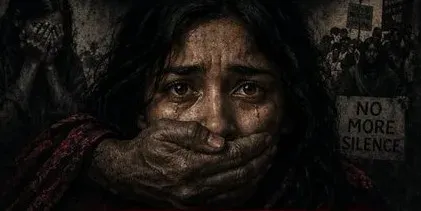
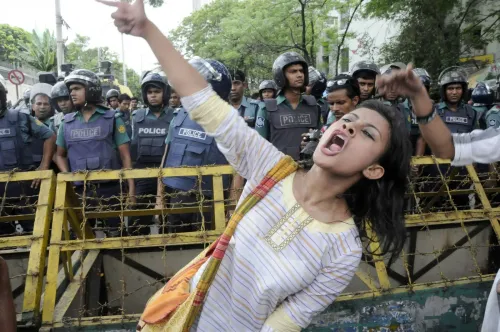
Bangladesh ranks 11th globally for intimate partner violence, 2nd worst in South Asia
Synopsis
WHO data places Bangladesh 11th in the world for intimate partner violence — and second only to Afghanistan in South Asia. A national survey found 70 per cent of Bangladeshi women aged 15 and above have faced at least one form of abuse in their lifetime, with controlling behaviour reported by half of all respondents. On International Day of Families, the data exposes a stark gap between policy intent and lived reality for millions of women.
Key Takeaways
Bangladesh ranks 11th globally for intimate partner violence prevalence, according to WHO data (2025) .
It is the second-worst-affected country in South Asia , behind only Afghanistan .
Nearly one in two women in Bangladesh have experienced physical or sexual violence by an intimate partner.
The Violence Against Women Survey 2024 found 70 per cent of women aged 15 and above faced at least one form of IPV in their lifetime.
50.1 per cent of respondents reported controlling behaviour by partners — the highest sub-category recorded.
Experts warn the violence perpetuates cycles of trauma across generations, with children particularly vulnerable.
Bangladesh remains one of the world's most severely affected countries for intimate partner violence (IPV), with both global and national data underscoring the scale and persistence of abuse against women — a crisis that experts warn is tearing at the fabric of family life across the country.
Global Rankings and WHO Data
According to data compiled by the World Health Organisation (WHO), Bangladesh ranks 11th globally for the prevalence of physical and sexual violence against women by intimate partners. Within South Asia, it is the second-worst-affected country, trailing only Afghanistan. As per WHO data from 2025, nearly one in two women in Bangladesh have experienced such violence — a rate that has remained alarmingly high over successive years.
National Survey Findings
National-level data reinforces the gravity of the situation. The latest survey conducted by the Bangladesh Bureau of Statistics (BBS) found that 46.7 per cent of women had experienced physical violence by an intimate partner, while 28.5 per cent reported sexual violence. The same survey recorded emotional abuse among 32.7 per cent of respondents, economic violence among 9.7 per cent, and controlling behaviour by partners among 50.1 per cent.
The Violence Against Women Survey 2024, released by the Bangladesh Bureau of Statistics in February 2025, revealed that 70 per cent of women aged 15 and above in Bangladesh had faced at least one form of intimate partner violence during their lifetime — a figure that places the country in a deeply troubling category globally.
Impact on Families and Children
Experts stress that the consequences of intimate partner violence extend well beyond the immediate victim. The cycle of abuse destabilises households, impairs children's development, and entrenches patterns of fear, silence, and inequality across generations. This comes amid broader concerns about women's safety in South Asia, where under-reporting and social stigma continue to suppress official figures.
Zobaida Nasreen, professor of anthropology at Dhaka University, highlighted the long-term damage to children exposed to partner violence. 'My research indicates that children from families where partner violence is common are more susceptible to trauma, fear of intimacy, avoidant behaviour, and tendencies towards revenge,' she said, according to reports.
Why the Numbers Persist
Notably, Bangladesh's rates remain far higher than those of many neighbouring nations despite years of policy attention. Analysts point to structural factors — including limited legal enforcement, economic dependence of women on partners, and deeply rooted social norms — as key drivers that prevent the numbers from declining. This is not a new crisis: intimate partner violence has long been documented as one of Bangladesh's most persistent human rights challenges, yet it remains among the least addressed.
International Day of Families Context
The findings were highlighted as the world observed the International Day of Families on Friday, 16 May 2025, a date that drew renewed attention to the contradiction between the ideal of the family as a place of safety and the reality faced by millions of women in Bangladesh. Advocacy groups are calling for stronger enforcement of existing laws, expanded support services for survivors, and community-level interventions to shift social norms.
Point of View
Yet enforcement of protection laws remains weak and survivor support infrastructure is thin. What is missing from the mainstream conversation is accountability: which policy levers have been tried, which have failed, and why the gap between legislation and lived experience remains so vast. The International Day of Families framing risks sentimentality; what the data demands is a hard look at why Bangladesh continues to rank near the bottom globally despite not being among its poorest neighbours.
NationPress
26 Sept 2026
Frequently Asked Questions
Where does Bangladesh rank globally for intimate partner violence?
Bangladesh ranks 11th globally for the prevalence of physical and sexual violence against women by intimate partners, according to WHO data from 2025. Within South Asia, it is the second-worst-affected country, behind only Afghanistan.
What percentage of Bangladeshi women have experienced intimate partner violence?
The Violence Against Women Survey 2024, released by the Bangladesh Bureau of Statistics in February 2025, found that 70 per cent of women aged 15 and above in Bangladesh had faced at least one form of intimate partner violence in their lifetime. Separately, nearly one in two women have experienced physical or sexual violence specifically.
What forms of violence were recorded in the Bangladesh Bureau of Statistics survey?
The BBS survey recorded physical violence (46.7%), sexual violence (28.5%), emotional abuse (32.7%), economic violence (9.7%), and controlling behaviour by partners (50.1%) among respondents.
How does intimate partner violence affect children in Bangladesh?
According to Dhaka University anthropology professor Zobaida Nasreen, children from households where partner violence is prevalent are more susceptible to trauma, fear of intimacy, avoidant behaviour, and tendencies towards revenge, perpetuating cycles of harm across generations.
Why does intimate partner violence remain so high in Bangladesh despite policy attention?
Analysts point to limited legal enforcement, economic dependence of women on partners, and entrenched social norms as key structural factors. Under-reporting driven by stigma also means official figures likely understate the true scale of the problem.