Will Dhaka Honor the 1971 Surrender of Pakistani Forces and the Birth of an Independent Bangladesh?
Synopsis
Bangladesh prepares for its Victory Day celebrations on December 16, a significant event marking its independence from Pakistan. Despite diplomatic overtures to Islamabad, Dhaka's commemorative activities reinforce its national identity and historical legacy. The country is also reassessing its international alliances amidst a changing political landscape.
Key Takeaways
Victory Day is a national holiday in Bangladesh, commemorating the country's independence.
Dhaka is enhancing diplomatic relations with Pakistan while confronting India.
Preparations for the celebration include various cultural events and military displays.
The day serves as a reminder of the historical significance of the Liberation War.
Sheikh Mujibur Rahman's legacy remains central to the country's identity.
New Delhi, Dec 15 (NationPress) Following the student-led uprising in August 2024 and the resulting change in leadership, Bangladesh has adjusted its foreign diplomacy, enhancing its interactions with Pakistan while taking a more adversarial approach towards India.
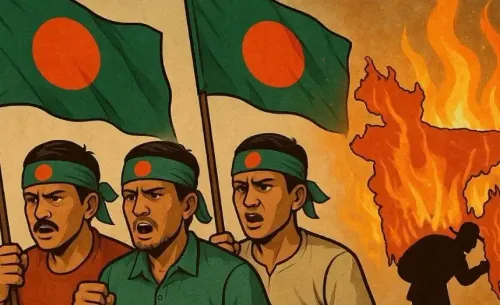
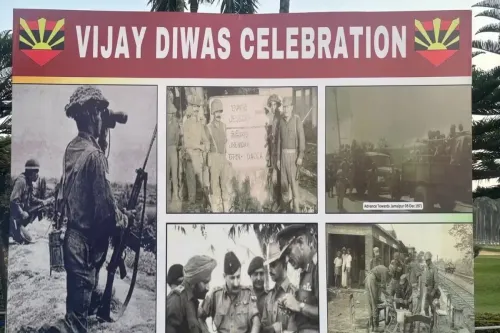
In spite of its diplomatic overtures to Islamabad, characterized by a measured thaw in relations in 2025, Dhaka is set to commemorate Bijoy Dibos (Victory Day) on Tuesday, December 16. This day signifies the surrender of Pakistani military forces in 1971 and the establishment of an independent Bangladesh, as reported by various media outlets.
Each year, official events and public festivities are organized to celebrate liberation from Pakistani oppression, serving as a potent reminder to Islamabad that the events of 1971 are indelibly etched in the national consciousness.
Preparations are in full swing for a grand celebration, which includes an attempt to set a world record for the highest number of national flags parachuted, according to the Dhaka-based Daily Sun.
December 16 is not only a national holiday but also a day of reflection on the end of the Liberation War, marked by state ceremonies, military parades, and public commemorations throughout the country.
These observances have become an integral part of the national calendar and civic identity.
As noted by the Dhaka Tribune, “The government has organized extensive programs to mark this significant Victory Day, beginning with a 31-gun salute in the capital on Tuesday morning.”
Initiatives include laying wreaths at memorials for the martyrs, raising the national flags, a three-day victory fair, parachuting events with numerous national flags, musical performances, cultural activities, and competitions such as recitation, essay writing, and painting for children, along with an acrobatic showcase.
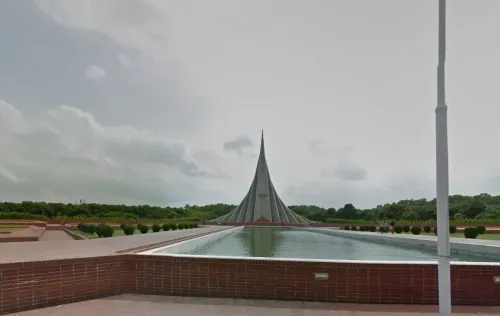
According to reports, President Mohammed Shahabuddin and Chief Adviser Muhammad Yunus are expected to honor the heroes of the Liberation War by laying wreaths at the Savar National Martyrs' Memorial at dawn on Tuesday.
Recently, the country's transitional political scenario has faced scrutiny as the President expressed intentions to resign following the February parliamentary elections, citing feelings of being marginalized and “humiliated” by the Yunus-led interim government.
The 2024 student protests were primarily aimed at opposing job quota allocations in civil service positions for the descendants of freedom fighters from the Liberation War.
After Prime Minister Sheikh Hasina’s ousting in August 2024, the interim government experienced notable shifts in its diplomatic stance.
Traditionally allied with India, Bangladesh has sought to broaden its international relationships and diminish Indian sway, reflecting a political realignment and strategic reassessment.
High-level diplomatic discussions have resumed between the two nations, including Yunus’ engagements with Pakistani officials and planned ministerial visits from Islamabad after a break of 13 years.
There has also been a resurgence of military cooperation through officer exchanges, joint training exercises, and participation in multinational naval drills led by Pakistan. Visa restrictions have been lifted to facilitate trade and personal exchanges.
Reports indicate that Bangladesh has been subtly backing Pakistan in regional forums, opposing joint condemnations at the UN Human Rights Council and supporting proposals for humanitarian corridors in Kashmir-related conflicts.
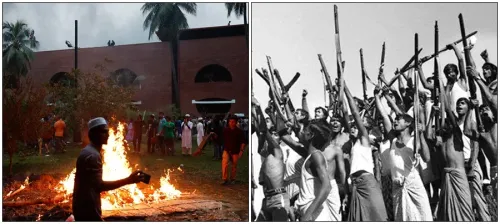
In this context, the celebration of Victory Day serves as a powerful affirmation of Bangladesh’s independence and honors the pivotal role played by Sheikh Mujibur Rahman in the liberation struggle—a leader whose statue was vandalized amid violent protests, while the world looked on, and whose daughter Hasina was sentenced to death while in exile.
Point of View
It is essential to recognize that while Bangladesh's evolving diplomatic relations with Pakistan signify a strategic shift, the celebration of Victory Day remains a touchstone of national pride and identity. It emphasizes the importance of historical memory in shaping contemporary politics.
NationPress
25 Sept 2026
Frequently Asked Questions
What is Bijoy Dibos?
Bijoy Dibos, or Victory Day, is celebrated on December 16 in Bangladesh to commemorate the surrender of Pakistani forces in 1971 and the birth of an independent nation.
Why has Bangladesh changed its foreign policy?
The shift in Bangladesh's foreign policy comes in response to recent political changes, including the August 2024 student uprising, leading to increased engagement with Pakistan and a more confrontational stance towards India.
What events are planned for Victory Day 2025?
Events include state ceremonies, military parades, cultural activities, and an attempt to set a world record for parachuting the highest number of national flags.
Who will pay tribute at the Savar National Martyrs' Memorial?
President Mohammed Shahabuddin and Chief Adviser Muhammad Yunus are expected to lay wreaths at the memorial to honor the martyrs of the Liberation War.
What historical significance does Sheikh Mujibur Rahman hold?
Sheikh Mujibur Rahman is regarded as a pivotal leader in Bangladesh's liberation movement, and his legacy is celebrated during Victory Day events.