CM Vishnu Deo Sai Holds Jan Darshan in Jashpur, Orders Swift Redress
Synopsis
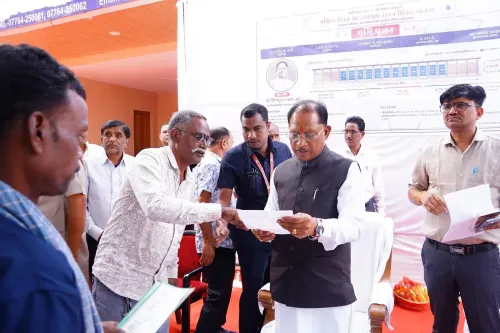
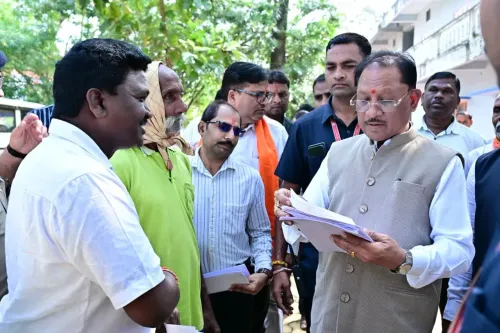
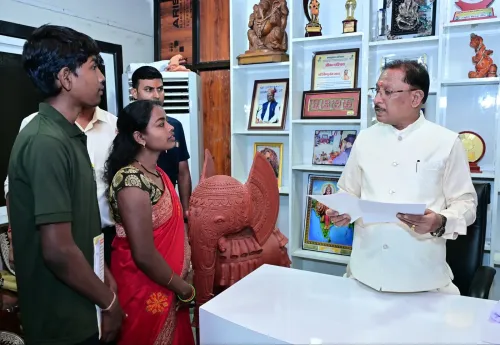
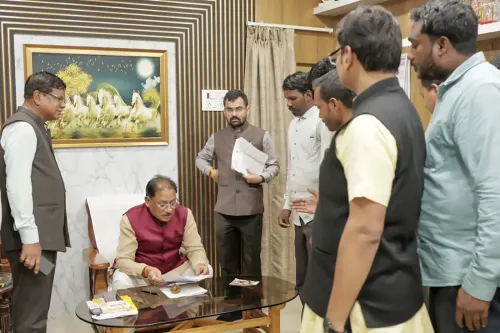
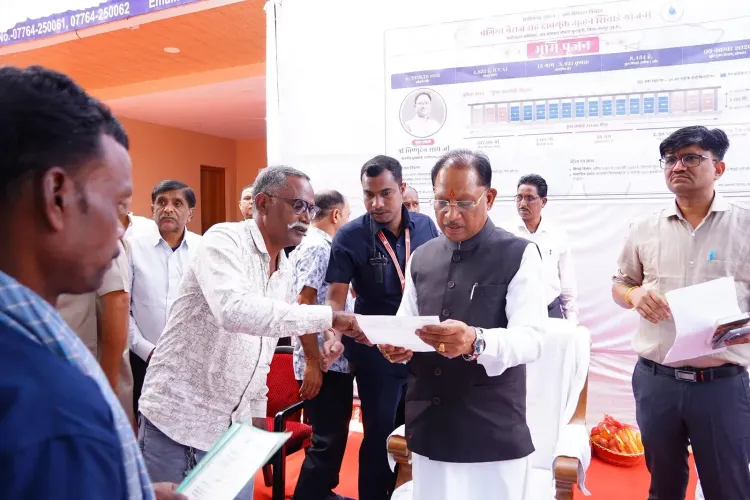
Chhattisgarh Chief Minister Vishnu Deo Sai conducted a jan darshan at Jashpur's Camp Office Bagiya on 9 November 2026, personally hearing residents' grievances and directing officers to ensure swift, transparent resolution of every application under the state's good-governance framework.
Key Takeaways
Chief Minister Vishnu Deo Sai held a jan darshan at Camp Office Bagiya, Jashpur on 9 November 2026 during his district tour.
He personally heard the problems and demands of residents of Jashpur , a tribal-majority district in northern Chhattisgarh.
Officers were directed to take every application seriously and ensure prompt, time-bound resolution .
The camp reflects the BJP government's ' su-shasan ' (good governance) framework adopted after the December 2023 state election victory.
CM Sai stressed that transparent delivery of welfare schemes to every citizen is the government's top administrative priority.
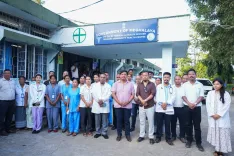
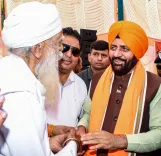
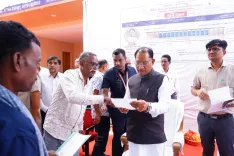
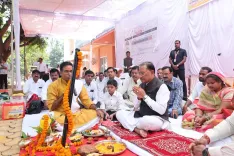
In the tribal heartland of northern Chhattisgarh, Chief Minister Vishnu Deo Sai sat face-to-face with ordinary citizens at the Camp Office Bagiya in Jashpur on Monday, 9 November 2026 — listening, noting, and directing. The jan darshan session put bureaucrats on notice: every application gets serious action, and it gets it fast.
Posting on X after the visit, CM Sai wrote in Hindi: 'Jandarshan ke madhyam se kshetrawasiyon se mulaakat kar unki samasyaen evam maangein suni' — 'Met residents through jan darshan, listened to their problems and demands' — adding that officers have been directed to ensure 'prompt resolution with seriousness on every application.' He framed the exercise in the BJP government's signature language: 'Timely and effective resolution of the common people's problems is the supreme priority of our Sushasan Sarkar (good-governance government).'
What Jan Darshan Actually Means for Jashpur's Villages
Jashpur, a district in Chhattisgarh's northern reaches, carries a large tribal and rural population where the gap between welfare scheme design and on-the-ground delivery has historically been wide. Public hearing camps — jan darshans — are the state's direct-to-citizen shortcut: residents can walk up, hand over a written petition, and receive an on-the-spot acknowledgement that an officer is responsible for their case.
The model is not new to Indian state governance, but the BJP administration in Raipur has amplified it since taking office in December 2023 as a cornerstone of its su-shasan (good governance) pitch. Chief ministers who travel to districts for these camps send a visible administrative signal — that grievances do not have to travel all the way to the state capital to be heard.
The Governance Architecture Behind the Camp Visit
CM Sai's directive on 9 November had two operational edges: speed — 'prompt resolution' — and accountability — officers are answerable on 'each application.' That accountability loop matters. Without a follow-up mechanism, jan darshan exercises risk becoming photo events rather than policy instruments.
The Chief Minister underlined a third pillar: transparency. 'Our effort is that every citizen receives the benefit of the government's welfare schemes with transparency and their every problem is resolved,' he wrote. The explicit mention of jankalyanakari yojanaen (welfare schemes) signals that the camp was also an audit of scheme penetration — checking whether central and state programmes are reaching Jashpur's most remote beneficiaries.
Whether the resolution rate from today's applications will be tracked and published is the real test. For now, the Chief Minister has drawn the line in public — and his own officers know it.
Point of View
CM Sai signals administrative accessibility, but the durability of that signal depends entirely on measurable follow-through on the petitions received. The explicit emphasis on welfare-scheme transparency is also notable: it suggests the government is aware that tribal-majority districts like Jashpur represent both the largest need gap and the most potent political dividend for demonstrable delivery. If grievance-resolution rates are published and held up to scrutiny, today's camp could be a governance milestone; if not, it joins the long catalogue of well-photographed public hearings that changed little.
NationPress
9 Nov 2026
Frequently Asked Questions
What is a jan darshan and why do chief ministers hold them?
A jan darshan is a public grievance camp where a chief minister or senior official meets citizens directly to hear their problems and issue on-the-spot directives to officers. It is a governance tool used across Indian states to bypass bureaucratic delays and demonstrate administrative accessibility.
Where did CM Vishnu Deo Sai hold the jan darshan on 9 November 2026?
CM Vishnu Deo Sai held the jan darshan at Camp Office Bagiya in Jashpur district, northern Chhattisgarh, during his district visit on 9 November 2026.
What instructions did CM Sai give to officials after the jan darshan?
He directed all relevant officers to treat each application with seriousness and ensure prompt, time-bound resolution — with an emphasis on transparent delivery of welfare schemes to every citizen.
What is the BJP's 'su-shasan' governance model in Chhattisgarh?
'Su-shasan' means good governance. Since winning the December 2023 Chhattisgarh assembly elections, the BJP state government has used it as its core administrative brand, stressing direct grievance redressal, transparent welfare delivery, and accountable officialdom.
Why is Jashpur significant for Chhattisgarh's governance outreach?
Jashpur is a district in northern Chhattisgarh with a large tribal and rural population where welfare-scheme penetration has historically been uneven, making it a priority zone for direct public outreach programmes.