Bangladesh rural gender wage gap: Women earn Tk 163 less per day than men
Synopsis
Official Bangladesh data confirms women farm workers earn Tk 163 less per day than men for identical work — and field reports from Thakurgaon reveal something more troubling: many women have stopped demanding equal pay entirely, fearing they will lose their jobs if they do. The wage gap is not just a statistic; it is a silence enforced by economic vulnerability.
Key Takeaways
The Bangladesh Bureau of Statistics (BBS) reported average daily agricultural wages of Tk 625 for men and Tk 462 for women in December 2024 — a gap of Tk 163 .
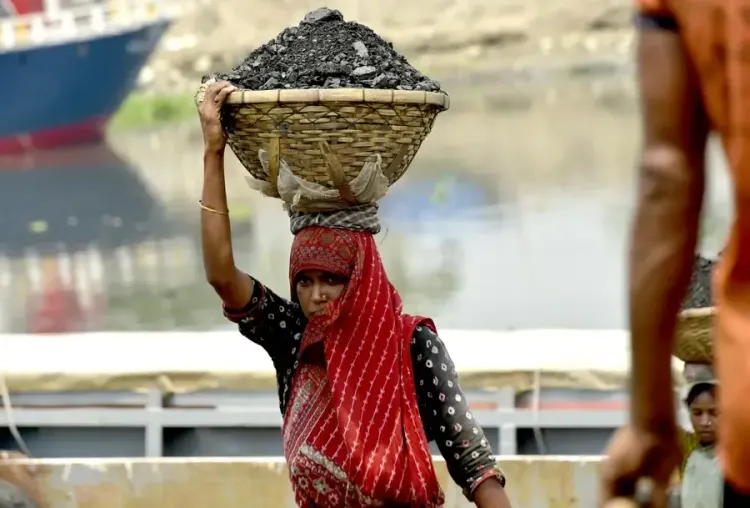
Field workers in Thakurgaon district say women earn just Tk 250–300 per day versus Tk 400–500 for men doing the same tasks.
Women are paid Tk 150–200 less even in daily field labour, according to worker Arfiya Begum , as quoted by The Daily Star .
ESDO Executive Director Muhammad Shahid Uz Zaman cited inadequate wage policy monitoring as the key enabler of employer exploitation.
DAE Deputy Director Md Mazedul Islam noted women perform more than half of all agricultural activities yet remain underpaid and underacknowledged.
Many women have accepted the disparity as normal, with some saying they fear losing work entirely if they demand higher wages.
Women agricultural workers in rural Bangladesh continue to earn significantly less than their male counterparts despite performing identical tasks — a disparity now confirmed by official statistics and illustrated by field reports from Thakurgaon district. According to the Bangladesh Bureau of Statistics (BBS) 2025 quarterly report, the average daily agricultural wage in December 2024 stood at Tk 625 for men and Tk 462 for women — a gap of Tk 163 per day for the same work.
Voices from the Field
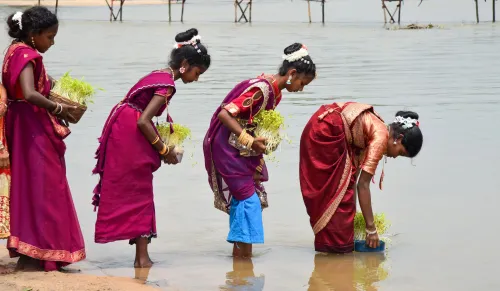
Field observations and worker interactions in Thakurgaon district, as reported by leading Bangladeshi newspaper The Daily Star, put a human face on the data. Sumita Bala, 40, told the publication that female workers earn a maximum of Tk 250–300 a day even after working "all day in the sun and rain", while male workers receive Tk 400–500 for comparable hours and effort.
Nirmala Rani, observed measuring and packing dried chillies into sacks at the time of the interaction, stated plainly: "It's the same work, yet the pay is lower." Another worker, Rehana Begum, 42, questioned the rationale directly: "Do we work any less than men? Then why are we paid less?"
Begum added that landowners justify the disparity by claiming women cannot perform all tasks like men — a reasoning workers and experts alike contest. Arfiya Begum, quoted by The Daily Star, said women are paid Tk 150 to Tk 200 less than male workers even in daily field labour, adding: "No one, including the government, speaks about this. We are deprived in every way."
The Normalisation of Disparity
Afiya Begum, a housewife in the area, noted that women shoulder multiple responsibilities — from childcare and household chores to livestock rearing and agricultural assistance — yet their contributions remain systematically undervalued. Compounding the problem, many women have come to accept the gap as inevitable. Nihar Rani captured this resignation: "If we demand higher wages now, we may not get work at all." This fear of exclusion effectively silences wage demands before they are made.
Expert Assessment and Institutional Failure
Muhammad Shahid Uz Zaman, Executive Director of the Eco Social Development Organisation (ESDO), said that despite women's significant role in agriculture, they continue to endure long working hours, lower wages, and persistent discrimination. He attributed the persistence of the gap to inadequate monitoring of wage policies, which enables employers to exploit workers through lower pay. Zaman warned that such disparity weakens women's economic empowerment and discourages their participation in agriculture.
Md Mazedul Islam, Deputy Director of the Department of Agricultural Extension (DAE) in Thakurgaon, noted that women are engaged in more than half of all agricultural activities in the region. He called for coordinated efforts to formally acknowledge their contributions and systematically reduce wage gaps — signalling that institutional recognition, while nascent, remains without a concrete enforcement mechanism.
What Needs to Change
Experts point to the absence of robust wage monitoring as the central policy failure. Without mandatory reporting or independent verification of agricultural wages, the gap documented by the BBS is likely to persist. Women workers themselves have indicated that fear of job loss prevents them from negotiating, making structural intervention — rather than individual advocacy — the only viable path to closing the disparity. The question now is whether Bangladesh's labour and agriculture ministries will translate acknowledgement into enforceable wage parity measures.
Point of View
However, is the self-censorship it has produced: workers who will not demand equal pay because they fear exclusion from the workforce altogether. This is a market failure compounded by a governance failure. Wage monitoring in Bangladeshi agriculture is effectively absent, and without enforceable parity mechanisms, expert calls for 'coordinated efforts' will remain aspirational. The real accountability question is why the BBS has the data but the labour ministry apparently lacks the mandate to act on it.
NationPress
26 Sept 2026
Frequently Asked Questions
What is the gender wage gap for agricultural workers in rural Bangladesh?
According to the Bangladesh Bureau of Statistics (BBS) 2025 quarterly report, women agricultural workers earned an average of Tk 462 per day in December 2024, compared to Tk 625 for men — a gap of Tk 163 for identical work. Field reports from Thakurgaon district suggest the actual daily gap experienced by workers may be even wider, with women receiving Tk 250–300 versus men's Tk 400–500.
Why are women paid less than men for the same agricultural work in Bangladesh?
Landowners reportedly justify lower wages by claiming women cannot perform all tasks like men, according to workers interviewed by The Daily Star. Experts at ESDO attribute the persistence of the gap to inadequate monitoring of wage policies, which allows employers to pay women less without accountability.
How does the wage gap affect women's willingness to demand equal pay?
Many women have accepted the disparity as normal and fear that demanding higher wages will cost them their jobs entirely. Worker Nihar Rani told The Daily Star: 'If we demand higher wages now, we may not get work at all.' This economic vulnerability effectively suppresses wage negotiation at the individual level.
What do experts recommend to address the gender wage gap in Bangladesh agriculture?
ESDO Executive Director Muhammad Shahid Uz Zaman has called for stronger monitoring of wage policies to prevent employer exploitation. DAE Deputy Director Md Mazedul Islam has urged coordinated institutional efforts to formally recognise women's contributions and reduce wage gaps, though no specific enforcement mechanism has been announced.
How significant is women's role in Bangladesh's agricultural sector?
According to Md Mazedul Islam, Deputy Director of the Department of Agricultural Extension in Thakurgaon, women are engaged in more than half of all agricultural activities in the region. Despite this, their wages and contributions remain systematically undervalued, according to both field reports and official data.