Bangladesh poverty rises to 22.5% as mega infrastructure, defence buys draw criticism
Synopsis
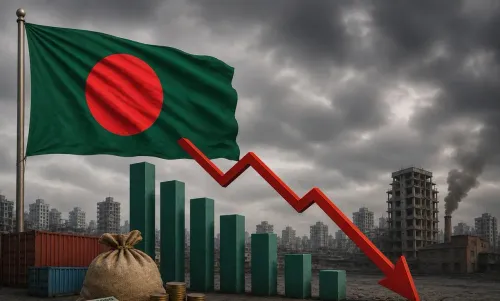
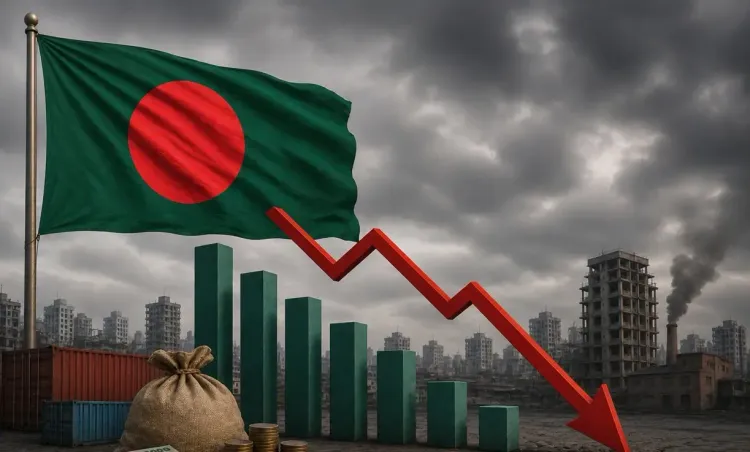
Bangladesh's poverty rate has climbed from 18.7% in 2022 to 22.5% last fiscal, with 2.1 million people pushed into poverty in a single year — yet a new report argues the government is doubling down on a Tk 2 trillion metro rail programme and a 10-Airbus procurement deal while structural drivers of inflation and inequality go unaddressed.
Key Takeaways
Bangladesh's poverty rate rose from 18.7% in 2022 to 22.5% last fiscal year, projected to reach 22.80% in 2026-27 .
2.1 million people slipped into poverty in the last fiscal year alone.
The metro rail programme costs over Tk 2 trillion — about two-thirds of the annual development programme and nearly a quarter of the Tk 9.38 trillion national budget.
Biman Bangladesh Airlines signed a deal for 10 Airbus jets with the EU , with delivery sought before 2030 ; the report calls the investment potentially wasteful given Biman's performance record.
Rising prices and power shortages are hitting manufacturing, reducing investment and cutting jobs in private and informal sectors.
The National Citizen Party (NCP) , formed by July uprising student leaders, has reportedly dropped its earlier focus on discrimination and inequality from its platform.
Bangladesh's economic policy choices are facing sharp scrutiny as poverty levels climb and inequality deepens, even as the government presses ahead with large-scale infrastructure and defence acquisitions that critics say sideline urgent welfare measures, according to a report by Dhaka-based financial publication The Financial Express.
Poverty and Inequality on the Rise
The report highlights that 2.1 million people slipped into poverty in the last fiscal year alone. The national poverty rate surged from 18.7 per cent in 2022 to 22.5 per cent in the last fiscal year and is projected to reach 22.80 per cent in 2026-27, according to the publication. The World Bank has separately projected that 62 million more people globally could be pushed into poverty by persistent inflation and an ongoing energy crisis.
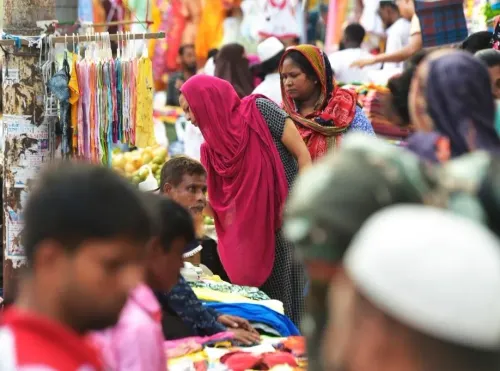
Rising prices and power shortages are compounding the problem, hitting manufacturing, dampening private investment, and cutting jobs in both the formal and informal sectors. The report argues that the unequal distribution of wealth shows no sign of abating under the present system — and is, in fact, deepening further.
Metro Rail and Aircraft Deals Under Fire
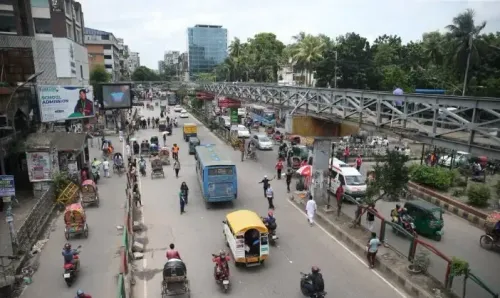
The report criticises the government's spending priorities, pointing to the metro rail programme, which carries costs of over Tk 2 trillion — accounting for roughly two-thirds of the country's annual development programme and nearly a quarter of the national budget of Tk 9.38 trillion. Critics argue these allocations crowd out spending that could directly address poverty and supply-side inflation pressures.
Recent aircraft procurement plans have drawn additional fire. While the government was reportedly pressured by the United States to procure Boeing aircraft, a separate deal signed with the European Union for the procurement of 10 Airbus jets from the European aerospace consortium is described as having been entered into without any such external compulsion. Biman Bangladesh Airlines is reportedly pushing for delivery of the Airbus aircraft before 2030. The publication said: 'Given the Bangladesh Biman's performance record, this investment may prove injudicious or a waste of money.'
Structural Gaps in Economic Policy
The report also flags a mismatch in fiscal decisions — the pay package for government employees has been increased, but structural defects in the supply chain and marketing that drive inflation have not been addressed. Critics argue this approach risks fuelling inflation further without meaningfully boosting household purchasing power for the most vulnerable.
Notably, even the National Citizen Party (NCP), formed by student leaders who spearheaded the July uprising, has reportedly moved away from its earlier focus on discrimination and social inequality — the very issues that once defined its platform. The publication observed that the NCP 'no longer highlights its once pet subject of discrimination that has left society undesirably divided and unbalanced.'
What This Means for Bangladesh's Economic Outlook
The convergence of rising poverty, entrenched inequality, supply-side shocks, and large capital expenditures on prestige infrastructure presents a complex policy dilemma for Dhaka. With the poverty rate on an upward trajectory and inflation yet to be structurally addressed, the choices made in the next budget cycle could significantly shape whether Bangladesh's development path widens or narrows the gap between its poorest and wealthiest citizens.
Point of View
While the compounding costs of inflation and joblessness remain structurally unaddressed. A Tk 2 trillion metro rail consuming two-thirds of the annual development programme is not inherently wrong, but its opportunity cost — in a country where 2.1 million people fell into poverty in a single year — demands an honest accounting that the current policy debate appears to be avoiding. The NCP's retreat from its own founding agenda on discrimination is particularly telling: when the political actors most identified with reform abandon that agenda, the structural critique loses its loudest domestic voice. Without a credible anti-poverty countermeasure tied to these expenditures, Bangladesh risks the classic middle-income-aspiration paradox — building world-class transit while its poorest citizens cannot afford food.
NationPress
9 Oct 2026
Frequently Asked Questions
What is the current poverty rate in Bangladesh?
Bangladesh's poverty rate rose to 22.5% in the last fiscal year, up from 18.7% in 2022, according to a report by The Financial Express. It is projected to reach 22.80% by 2026-27, with 2.1 million people having slipped into poverty in a single fiscal year.
Why is Bangladesh's metro rail programme facing criticism?
The metro rail programme, with costs exceeding Tk 2 trillion, accounts for roughly two-thirds of Bangladesh's annual development programme and nearly a quarter of the Tk 9.38 trillion national budget. Critics argue this scale of spending crowds out welfare measures urgently needed as poverty and inequality deepen.
What is the Biman Bangladesh Airbus deal and why is it controversial?
Biman Bangladesh Airlines signed a deal with the European Union for the procurement of 10 Airbus jets from the European aerospace consortium, with the airline seeking delivery before 2030. The report calls the investment potentially 'injudicious or a waste of money' given Biman's performance record, noting the deal was entered into without external pressure — unlike the Boeing procurement reportedly pushed by the United States.
How is inflation contributing to rising poverty in Bangladesh?
Rising prices and power shortages are hitting Bangladesh's manufacturing sector, reducing investment and cutting jobs in both private and informal sectors. The government increased pay packages for public employees but has not addressed structural defects in the supply chain and marketing that are the root drivers of inflation.
What role has the National Citizen Party played in Bangladesh's inequality debate?
The National Citizen Party (NCP), formed by student leaders who led the July uprising, had originally focused on discrimination and social inequality as core issues. According to the report, the party no longer highlights these concerns, which critics say weakens the domestic political push to address Bangladesh's widening wealth gap.