Are Farmers and Fishermen in Bangladesh Losing Their Land and Livelihoods to Power Plants?
Click to start listening
Synopsis
In Bangladesh's southeastern Matarbari region, farmers and fishermen face a dire situation as coal and gas-fired power plants disrupt their lives and livelihoods. This heartbreaking story reveals the struggles of communities fighting against displacement and pollution, highlighting the urgent need for sustainable energy solutions.
Key Takeaways
- Displacement: Farmers and fishermen are losing their land due to power plant constructions.
- High Costs: Rising electricity prices are burdening consumers in Bangladesh.
- Environmental Threat: New LNG projects could exacerbate pollution and climate issues.
- Investment Opportunity: Funds allocated for gas power could be redirected to renewable energy.
- Community Struggles: Many displaced individuals lack basic facilities and support.
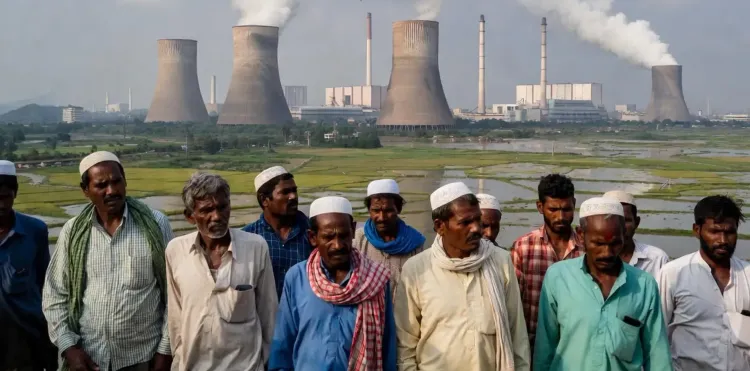
New Delhi, Jan 1 (NationPress) A recent photo exhibition by Bangladeshi photographer Noor Alam showcased the tragic plight of the fishing and farming communities in the Matarbari area of southeastern Bangladesh, who are fighting to survive after being dispossessed of their land and means of livelihood due to the establishment of coal and gas-fired power plants in their vicinity.
Consumers in Bangladesh are already feeling the impact of soaring electricity costs, a situation that is likely to worsen if the country continues to depend on costly imported LNG.
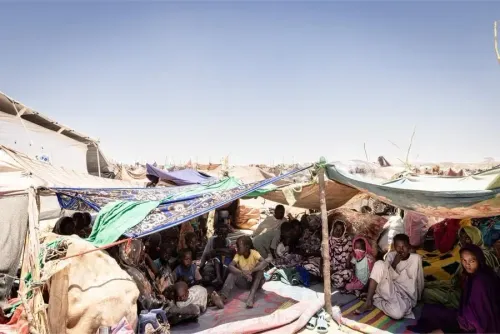
The report provides accounts of farmers who have been uprooted from their ancestral lands following the construction of a massive coal power plant. These individuals now reside in overcrowded settlements, struggling to make ends meet, while their children grow up deprived of essential amenities, including adequate play space.
Heartbreaking tales of thousands of betel leaf and salt farmers, along with fishermen, being forcibly removed from their land and livelihoods by power authorities—without the promised compensation—are also highlighted. Now, they find themselves with nowhere to turn.
The report further discusses how, after successfully halting the establishment of a large coal-fired power station, residents in the Chattogram division are being pressured by foreign interests to accept large, polluting LNG power plants and related infrastructure, as reported by The Diplomat.
According to a recent Market Forces report, new LNG projects and import terminals will burden the Bangladeshi economy by $50 billion, posing a threat to the health and safety of millions due to toxic pollution and increasing climate-related disasters, such as floods and cyclones.
The document emphasizes that as Bangladesh endures extreme heatwaves and power demand surges, a staggering $50 billion is set to be invested in the LNG sector, exacerbating global warming.
However, the $36 billion allocated for gas power plants could alternatively be invested in transforming Bangladesh into a clean energy leader, generating 62 Gigawatts of renewable energy—more than double the current total electricity generation capacity.
Point of View
It is my duty to highlight the pressing issues facing our nation. The displacement of farmers and fishermen in Matarbari, coupled with the threat posed by polluting power plants, demands immediate attention. The voices of these communities must be heard, and solutions must be sought to foster a sustainable future for Bangladesh.
NationPress
07/01/2026
Frequently Asked Questions
What is happening to farmers and fishermen in Matarbari?
Farmers and fishermen in Matarbari are being displaced due to the establishment of coal and gas-fired power plants, impacting their livelihoods and access to essential resources.
How are high electricity bills affecting consumers in Bangladesh?
Consumers are already dealing with high electricity costs, which are expected to rise further if the reliance on expensive imported LNG continues.
What are the environmental implications of new LNG projects?
New LNG projects pose significant risks of toxic pollution and contribute to climate change, affecting millions of Bangladeshis and increasing the frequency of natural disasters.