How Did a Snowstorm in Northern Syria Impact Over 150,000 Displaced Individuals?
Synopsis
A recent snowstorm in northern Syria has left over 150,000 displaced individuals vulnerable and in dire need of assistance. With thousands of shelters damaged or destroyed, the UN highlights the urgent funding gap for winter relief efforts.
Key Takeaways
Over 150,000 displaced individuals affected by the snowstorm.
5,000 shelters damaged or destroyed.
Extreme cold claimed the lives of two infants.
Humanitarian aid includes stoves and fuel for 10,000 individuals.
A $112 million funding requirement exists for winter assistance.
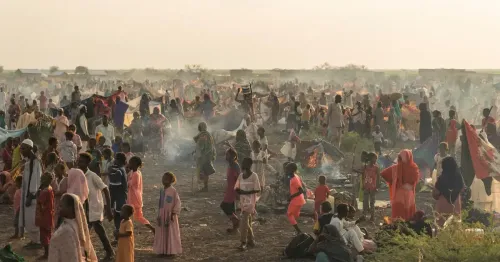
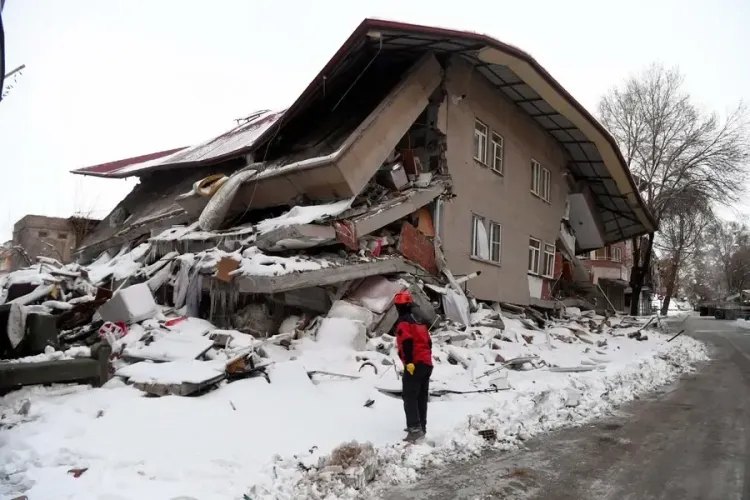
The United Nations reported on January 7 that a snowstorm on December 31 in northern Syria affected 90 locations housing displaced individuals, impacting over 150,000 people and damaging or destroying 5,000 shelters.
The UN Office for the Coordination of Humanitarian Affairs (OCHA) conveyed that partners in the Aleppo, Idlib, and Al-Hasakah governorates confirmed that the storm resulted in the tragic deaths of two infants due to extreme cold.
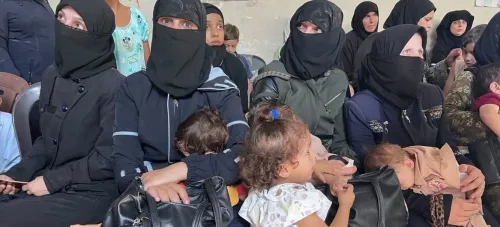
Thousands faced exposure to severe temperatures, heightening the risk of hypothermia and respiratory illnesses, according to OCHA. In response, humanitarian organizations have supplied over 10,000 displaced individuals in camps with stoves and fuel following the snowstorm.
The United Nations and its partners require $112 million for essential winter aid from September 2025 to March 2026, as stated by OCHA. To date, only $29 million has been secured, leaving a daunting 74% funding gap, according to Xinhua news agency.
Winter conditions in Syria can be particularly harsh. Frigid winds, heavy rain, and intermittent snowfall create perilous situations for many across the nation.
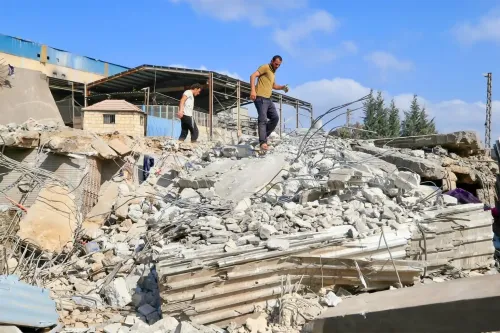
Displaced families are often the most severely impacted. Due to unstable economic conditions, many can only afford to construct fragile, temporary shelters. These structures are typically made from cardboard, scrap wood, or tarmac on barren land, making residents susceptible to the brutal winter weather. These dwellings can be easily damaged by strong winds or flooded from rain or snow.
In exceptionally harsh conditions, these fragile homes can be completely destroyed, forcing camp residents to relocate and rebuild during the harshest time of the year. Consequently, winter has become a season of dread and caution for those in northern Syria.
The combination of weather challenges and inadequate shelter significantly affects the health of displaced families.
Point of View
The situation in northern Syria continues to deteriorate as displaced families face the harsh realities of winter. The international community must respond effectively to alleviate the suffering of those most affected by these extreme weather conditions.
NationPress
21 Oct 2026
Frequently Asked Questions
How many people were affected by the snowstorm in northern Syria?
The snowstorm affected over 150,000 displaced individuals across 90 sites.
What has been the response to the snowstorm?
Humanitarian organizations have provided stoves and fuel to more than 10,000 displaced individuals in camps.
What is the funding requirement for winter assistance?
The United Nations and partners need $112 million for life-saving winter assistance, but currently face a 74% funding gap.
What are some risks faced by displaced families during winter?
Displaced families are at risk of hypothermia and respiratory diseases due to inadequate shelter and extreme cold.
Which governorates in Syria were impacted by the snowstorm?
The affected governorates include Aleppo, Idlib, and Al-Hasakah.