Kunar explosion near school kills 10, injures 110 in Afghanistan
Synopsis
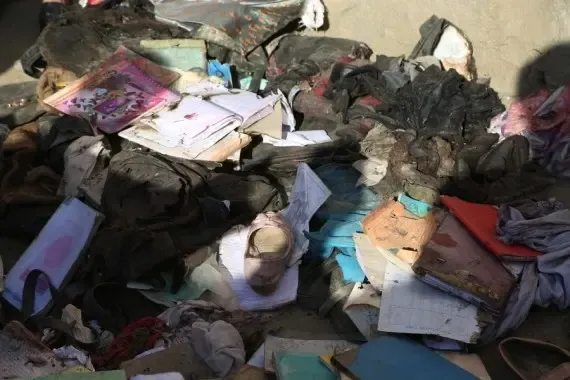
A blast at a mining explosives store beside a school in Asadabad killed at least 10 people and injured 110, and Kabul is blaming negligence. The disaster was preventable, not a war remnant. It comes in a year when 344 Afghans, mostly children, have already been killed or injured by explosives.
Key Takeaways
At least 10 people were killed and 110 injured in an explosion near a school in Asadabad, Kunar province , on 28 November 2026 .
The blast struck just before noon at an explosives storage site belonging to mining companies in the Andir Sir area, according to spokesperson Abdul Matin Qani .
The Interior Ministry said negligence and insufficient precaution were the apparent cause, and an investigation is underway.
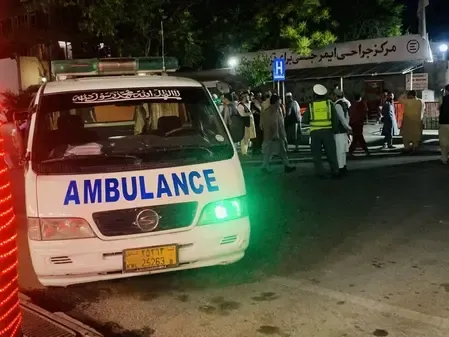
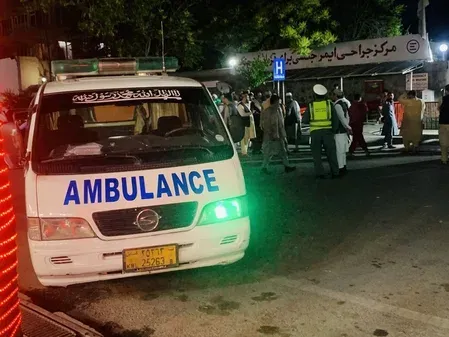
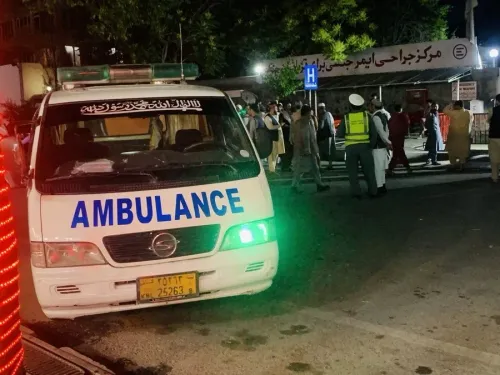
Four injured students were moved to Jalalabad Provincial Hospital .
Landmine and unexploded ordnance blasts have killed or injured 344 people in Afghanistan in 2026 , most of them children.
About 3.3 million Afghans live near contaminated land, while international funding for demining is falling.
At least 10 people were killed and 110 others injured when an explosion ripped through an area near a school in Asadabad, the capital of Afghanistan's eastern Kunar province, on Saturday, 28 November 2026, according to the country's Interior Ministry. Preliminary findings suggest the blast took place at an explosives storage site belonging to mining companies. The ministry said the incident was apparently caused by negligence.
Key Developments
Interior Ministry spokesperson Abdul Matin Qani said the explosion occurred just before noon at the storage facility in the Andir Sir area of Asadabad, close to a school. The ministry said the blast was apparently the result of negligence and insufficient precaution, according to local media reports.
An investigation is underway to establish further details, the ministry added. It has not yet said which mining companies owned the site or how the explosives were stored.
Citing a source, Pajhwok News Agency reported that four injured students have been moved to Jalalabad Provincial Hospital. The remaining injured are being treated within Kunar province.
Why the Incident Matters
The early findings point to an industrial safety failure rather than a war remnant, which raises questions about how mining explosives are stored near places where children gather. The scale of injuries, with more than 110 people hurt, suggests the storage site sat close to populated areas.
The blast comes as Afghanistan continues to deal with a heavy toll from landmines and unexploded ordnance left behind by decades of armed conflict.
Afghanistan's Wider Explosives Crisis
Earlier this week, local media reported that 257 people were killed and 87 injured in landmine and unexploded ordnance explosions across Afghanistan in 2026. Children made up most of the victims, accounting for 189 deaths and 73 injuries.
“Since the beginning of 2026, a total of 344 people have been killed or injured in landmine and unexploded ordnance explosions across the country, with children making up the majority of the victims,” Tolo News quoted ANDMA spokesperson Yousuf Hammad as saying.
Despite ongoing demining operations, more than 900 square kilometres of land in Afghanistan remains contaminated. Residents in several provinces have called for the land to be cleared. Haroon Yousufi, a resident of Kandahar, said landmines have harmed the mental well-being of Afghans.
ANDMA said Sar-e-Pul and Bamyan provinces have been fully cleared of landmines and unexploded ordnance, Tolo News reported.
Funding Cuts and Humanitarian Concerns
In July, the United Nations Office for the Coordination of Humanitarian Affairs (OCHA) said about 50 people are killed or injured each month in Afghanistan by unexploded ordnance. It said children make up nearly 80 per cent of these victims.
According to Khaama Press, OCHA described demining and explosive ordnance disposal as among the most effective life-saving humanitarian activities in the country. It warned that falling international funding has scaled back clearance work while contamination continues to put civilians at risk.
About 3.3 million people in Afghanistan live near contaminated areas and face these risks every day.
The findings of the Asadabad investigation will show whether the Kunar tragedy leads to stricter rules on where explosives can be stored near homes and schools.
Point of View
It was a failure of regulation, with commercial explosives stored close enough to a school to injure more than 110 people. Afghanistan's rulers often point to decades of conflict to explain civilian deaths from ordnance, but this incident falls squarely on present-day oversight of the mining sector. Meanwhile, shrinking donor funding for demining means the country is losing ground on old dangers while new ones are being created through negligence.
NationPress
28 Nov 2026
Frequently Asked Questions
What happened in Afghanistan's Kunar province?
An explosion near a school in Asadabad, the capital of Kunar province, killed at least 10 people and injured 110 on 28 November 2026. It occurred just before noon at an explosives storage site belonging to mining companies.
What caused the Kunar explosion?
Afghanistan's Interior Ministry said the blast was apparently caused by negligence and insufficient precaution at the explosives storage site. An investigation is underway to determine further details.
Where are the injured being treated?
Four injured students were transferred to Jalalabad Provincial Hospital, according to Pajhwok News Agency. The rest of the injured are being treated within Kunar province.
How many people have died in landmine explosions in Afghanistan in 2026?
Local media reported that 257 people were killed and 87 injured in landmine and unexploded ordnance explosions in Afghanistan in 2026, for a total of 344 casualties. Children accounted for 189 of the deaths and 73 of the injuries.
Why is demining in Afghanistan slowing down?
OCHA has said that reduced international funding has cut back mine clearance operations in Afghanistan. More than 900 square kilometres of land remain contaminated, and about 3.3 million people live near affected areas.