NCB Jammu meet shifts drug war from seizures to networks
Synopsis
India's anti-drug strategy is moving from counting seizures to dismantling networks. At a Jammu meeting with ED, NIA, R&AW, BSF and others, the NCB flagged 50 priority network-centric cases, narco-terror links and extradition of narco-fugitives under the 2026–2029 Vision Document.
Key Takeaways
The NCB led a quarterly state-level JCC meeting for Jammu & Kashmir in Jammu , an official said on 28 November 2026 .
The focus was implementing the Vision Document on Narcotics Control (2026–2029) , shifting from a seizure-centric to a network-centric approach.
Agencies including ED, NIA, R&AW, DRI, BSF, RPF, ANTF, SIB and the Drug Control Department took part.
Plans covered a Model ANTF , 50 priority network-centric cases , extradition of narco-fugitives and narco-terror links.
ANTF/J&K Police presented three network-centric cases at the meeting.
A similar JCC meeting for Assam was held earlier this month in Guwahati .
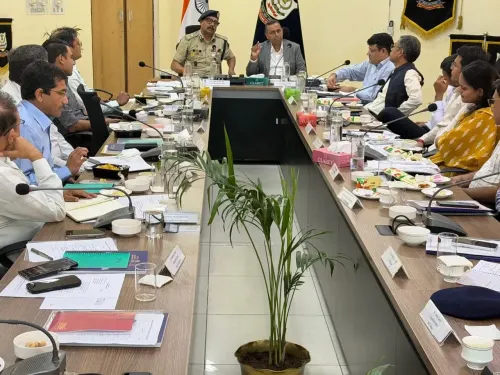
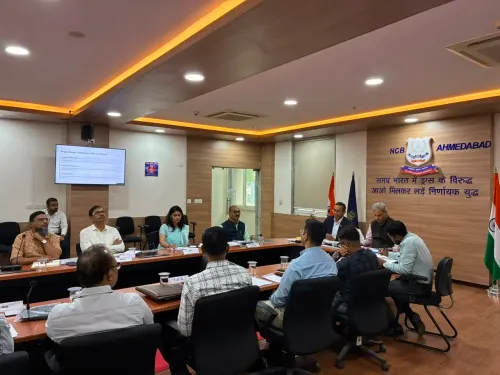
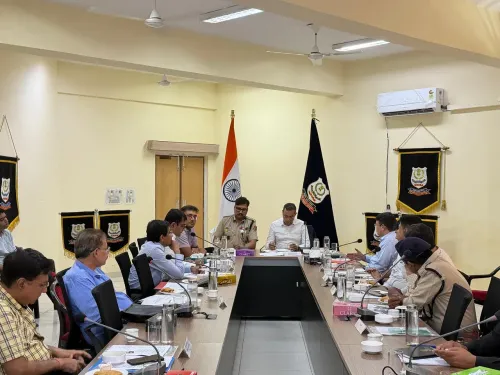
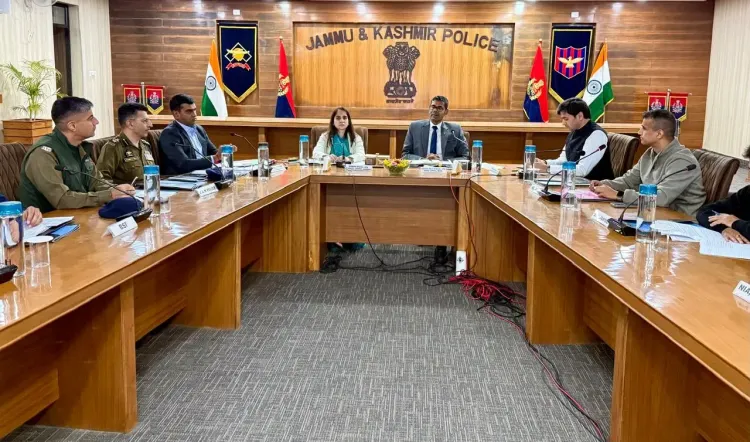
The Narcotics Control Bureau (NCB) led a multi-agency review in Jammu on implementing the Vision Document on Narcotics Control (2026–2029), which moves enforcement from a seizure-centric model to a network-centric one, an official said on Saturday, 28 November 2026. The discussion took place at the quarterly state-level Joint Co-ordination Committee (JCC) meeting for Jammu & Kashmir. It was called to strengthen inter-agency coordination against drug trafficking.
Key Developments at the Jammu Meeting
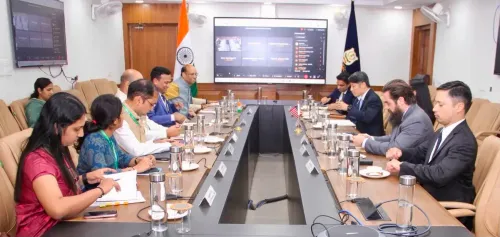
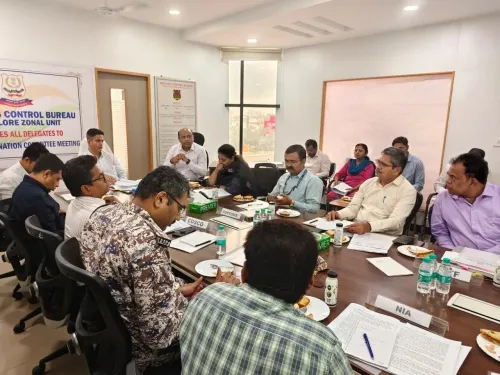
The meeting was jointly chaired by the Deputy Director General, NCB (North Western Region) and the IG Crime, J&K. Participants included the Enforcement Directorate (ED), the National Investigation Agency (NIA), R&AW, the Directorate of Revenue Intelligence (DRI), the Border Security Force (BSF), the Railway Protection Force (RPF), ANTF, SIB and the Drug Control Department.
According to an official statement, the agenda centred on the Vision Document, 360-degree investigations and a whole-of-government approach to dismantle trafficking networks. Officials also discussed identifying and breaking up drug cartels, financial investigations and effective use of PITNDPS, the preventive detention law for drug offences.
From Seizures to Networks
The core shift is from counting seizures to taking down entire supply chains. Under a seizure-centric model, enforcement success is often measured by the quantity of drugs recovered. A network-centric approach instead targets the financiers, suppliers and handlers behind each consignment.
Deliberations covered several operational priorities:
- Formulation of a Model ANTF
- Identification of 50 priority network-centric cases
- Extradition of narco-fugitives
- Tackling narco-terror and cross-border linkages
- Sharing requests for information (RFIs) on clandestine drug labs
The statement said ANTF/J&K Police also presented three network-centric cases during the meeting.
Why It Matters for Jammu & Kashmir
The focus on narco-terror and cross-border linkages reflects concern about how drug money and militancy may intersect in the region. With border-guarding, intelligence, financial and investigative agencies at one table, the meeting points to a more integrated enforcement model. That model aims to follow the money as well as the drugs.
A Pattern Across States
This comes amid similar NCB-led reviews elsewhere. Earlier this month, the NCB Deputy Director General (North Eastern Region) organised the third quarterly state-level JCC meeting for Assam at Police Headquarters in Guwahati.
In a post on social media platform X, an NCB official said that meeting was convened “to further strengthen inter-agency coordination and enhance collective efforts to effectively address emerging narcotics threats.” Discussions there covered Assam's narcotics scenario, emerging trafficking routes, operational challenges and significant NDPS cases. They also emphasised a network-centric approach to dismantling entire trafficking networks, the official added.
What Happens Next
The meeting set out 50 priority network-centric cases and a model for anti-narcotics task forces. These are likely to be early yardsticks for whether the 2026–2029 Vision Document delivers on the ground. Progress on cartel takedowns, financial probes and extraditions will be watched closely in the coming quarterly reviews.
Point of View
Asset attachments and extraditions, rather than another round of committee meetings. In a border region where narco-trafficking and militancy are said to overlap, joint coordination will only matter if intelligence actually moves quickly between agencies that have historically guarded their turf.
NationPress
28 Nov 2026
Frequently Asked Questions
What was discussed at the NCB meeting in Jammu?
The NCB-led Joint Co-ordination Committee meeting for Jammu & Kashmir focused on implementing the Vision Document on Narcotics Control (2026–2029). The agenda included 360-degree investigations, dismantling drug cartels, financial investigations, effective use of PITNDPS, narco-terror and cross-border linkages.
What is the network-centric approach to drug trafficking?
It is a strategy that targets entire drug trafficking networks rather than individual seizures. Under the 2026–2029 Vision Document, agencies aim to dismantle cartels, trace finances and pursue the people behind each consignment.
Which agencies attended the Jammu JCC meeting?
Participants included ED, NIA, R&AW, DRI, BSF, RPF, ANTF, SIB and the Drug Control Department. The meeting was jointly chaired by the NCB's Deputy Director General (North Western Region) and the IG Crime, J&K.
What are the 50 priority network-centric cases?
They are cases the meeting agreed to identify for focused, network-level investigation. Specific details of these cases have not been disclosed, though ANTF/J&K Police presented three network-centric cases during the meeting.
Has the NCB held similar meetings in other states?
Yes. Earlier this month, the NCB's Deputy Director General (North Eastern Region) organised the third quarterly state-level JCC meeting for Assam at Police Headquarters in Guwahati, which also stressed a network-centric approach.