NCB pushes network-centric drug crackdown at Arunachal JCC meet
Synopsis
Instead of chasing individual seizures, the NCB wants agencies in Arunachal Pradesh to target entire drug networks, including their finances. At an Itanagar meeting with the NIA, ED, DRI and others, officials adopted a network-centric approach. It echoes a similar Assam meeting held earlier this month.
Key Takeaways
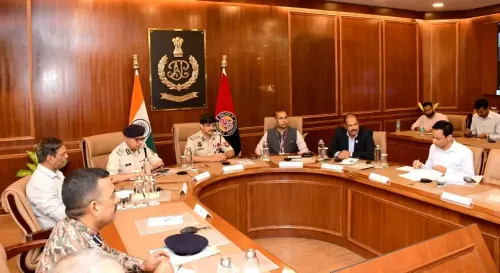
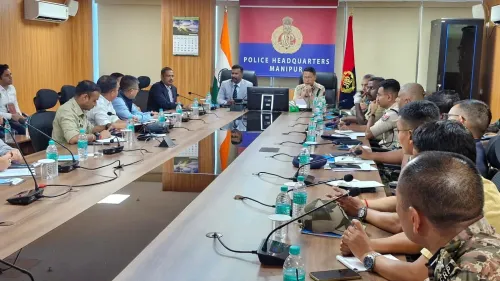
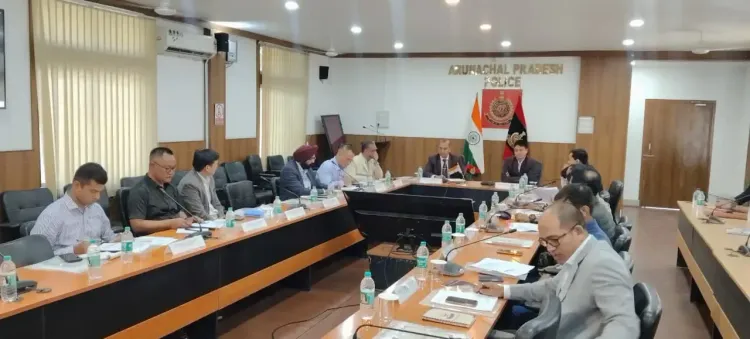
The NCB chaired the Quarterly State-Level JCC meeting for Arunachal Pradesh at Police HQ, Itanagar .
Agencies agreed on a network-centric approach in line with the Vision Document on Narcotics Control (2026–29) .
NDPS cases, financial investigations, use of PITNDPS and trial monitoring were discussed.
Participants included the NIA, ED, DRI, Income Tax, ITBP, SSB, CRPF, RPF, DGGI, SIB and the State ANTF.
The third Assam JCC meeting in Guwahati , chaired by R.
Sudhakar , highlighted Operation Trident : 38 teams searched 38 locations across three states.
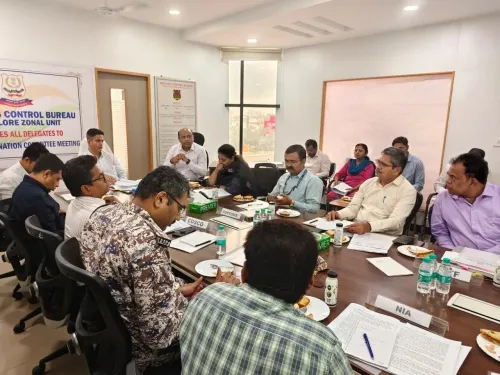
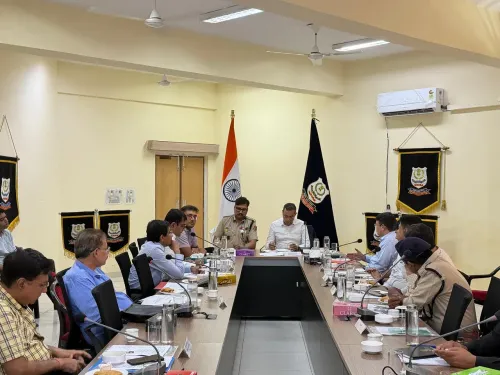
The Narcotics Control Bureau (NCB) led a joint push against drug trafficking at the Quarterly State-Level Joint Co-ordination Committee (JCC) meeting for Arunachal Pradesh, held at Police Headquarters in Itanagar. Officials from multiple enforcement and intelligence agencies agreed to adopt a network-centric approach to take apart organised narcotics networks, an official said on Thursday, 26 November 2026.
The meeting was chaired by the Deputy Director General (DDG), NCB (Northeastern Region). Its stated aim was to strengthen coordination among drug law enforcement agencies (DLEAs) and intelligence agencies so they can respond to emerging narcotics threats in the frontier state.
Key Developments at the Itanagar Meeting
The discussions centred on a network-centric strategy. Under this approach, agencies target entire trafficking chains rather than isolated seizures. According to the official statement, this approach is in line with the Vision Document on Narcotics Control (2026–29).
Participants reviewed important cases under the Narcotic Drugs and Psychotropic Substances (NDPS) Act. They also discussed financial investigations, the use of the Prevention of Illicit Traffic in Narcotic Drugs and Psychotropic Substances (PITNDPS) Act, and trial monitoring to secure effective prosecution, among other issues.
According to the statement, the meeting reaffirmed the resolve to strengthen coordinated efforts against drug trafficking. The focus will be on dismantling organised narcotics networks in Arunachal Pradesh through a whole-of-government approach.
Agencies at the Table
The meeting drew a wide range of central and state bodies. Participants included officials from the following agencies:
- National Investigation Agency (NIA)
- Enforcement Directorate (ED)
- Directorate of Revenue Intelligence (DRI)
- Income Tax Department
- ITBP, SSB, CRPF and RPF
- DGGI and SIB
- The State Anti-Narcotics Task Force (ANTF) and other concerned agencies
The mix of agencies shows how the enforcement focus has widened from interdiction alone. It now also covers financial trails, border policing and intelligence-sharing.
Parallel Push in Assam
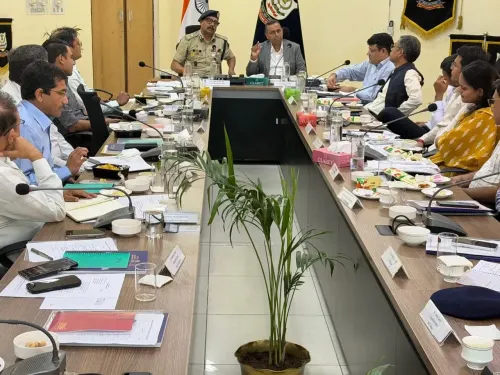
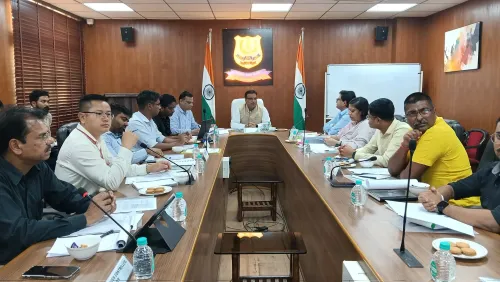
The Arunachal meeting follows a similar exercise in Assam. Earlier this month, the third Quarterly State-Level JCC meeting for Assam was held at Police Headquarters in Guwahati, according to an official.
In a post on social media platform X, an NCB official said the meeting was convened “to further strengthen inter-agency coordination and enhance collective efforts to effectively address emerging narcotics threats.”
That meeting was chaired by NCB Deputy Director General (North Eastern Region) R. Sudhakar. Discussions covered:
- Assam's narcotics scenario
- Emerging trafficking routes
- Operational challenges
- Significant NDPS cases
As in Arunachal, the emphasis was on a network-centric approach to dismantle entire trafficking networks.
According to the statement, “The effective utilisation of NIDAN Portal, NATGRID, and FIU-related inputs for intelligence development and investigation was also deliberated upon.” Officials also highlighted the achievements of Operation Trident. This was a joint NCB-ED-Mizoram Police operation in which 38 teams carried out simultaneous searches at 38 locations across three northeastern states.
The Guwahati meeting brought together officials from the NIA, ED, DRI, BSF, CRPF, SSB, RPF, Customs, Income Tax, SIB and the State ANTF, among others. Superintendents of Police from 13 sensitive districts of Assam also attended.
Why the Northeast Matters
The back-to-back meetings point to a coordinated regional strategy across the Northeast. Several states in the region share sensitive international borders. Notably, both meetings stressed financial investigation and inter-agency intelligence over standalone seizures. This signals a shift towards targeting the money and logistics behind trafficking.
The coming quarterly reviews will show whether this coordination produces measurable dismantling of networks in Arunachal Pradesh and the wider region.
Point of View
Tools that target traffickers' capital rather than couriers. The Northeast's porous frontiers have long made seizure counts a poor measure of progress. If the Vision Document's network-centric promise is to mean anything, agencies must publish outcomes such as networks dismantled, assets attached and convictions secured, not just attendance lists.
NationPress
26 Nov 2026
Frequently Asked Questions
What was discussed at the NCB-led JCC meeting in Arunachal Pradesh?
Agencies discussed a network-centric approach to dismantle drug trafficking networks, in line with the Vision Document on Narcotics Control (2026–29). They also reviewed NDPS cases, financial investigations, the use of PITNDPS and trial monitoring.
Who chaired the Arunachal Pradesh JCC meeting?
The meeting was chaired by the Deputy Director General, NCB (Northeastern Region). It was held at Police Headquarters in Itanagar.
Which agencies took part in the Itanagar meeting?
Officials from the NIA, ED, DRI, Income Tax, ITBP, SSB, CRPF, RPF, DGGI, SIB, the State ANTF and other concerned agencies took part.
What is Operation Trident?
Operation Trident was a joint NCB-ED-Mizoram Police operation in which 38 teams conducted simultaneous searches at 38 locations across three northeastern states. Its achievements were highlighted at the Assam JCC meeting in Guwahati.
What is a network-centric approach to drug trafficking?
It is a strategy that targets entire drug trafficking networks, including their finances and links, rather than individual seizures or offenders. The NCB has emphasised it in its recent Northeast coordination meetings.