NCB holds JCC meets in Karnataka, Rajasthan to tighten drug crackdown
Synopsis
The NCB ran simultaneous quarterly JCC meetings in Bengaluru and Jaipur on 19 July, pulling together over a dozen central and state agencies to close coordination gaps on drug trafficking. With 50 NDPS cases under active monitoring in Rajasthan alone and precursor chemical surveillance on the agenda, the sessions signal a more structured, data-driven enforcement posture rather than ad hoc crackdowns.
Key Takeaways
The NCB held simultaneous State-Level JCC meetings in Bengaluru (Karnataka) and Jaipur (Rajasthan) on 19 July .
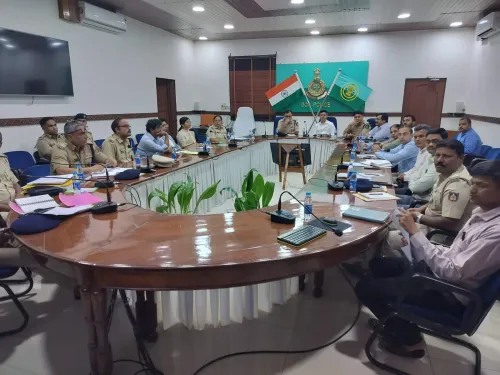
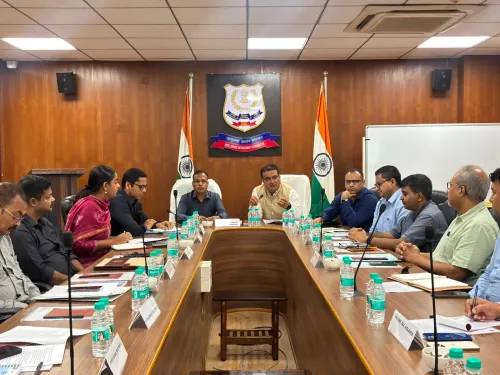
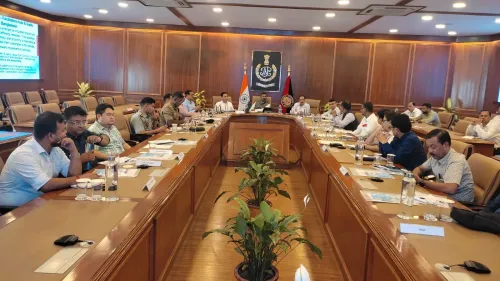
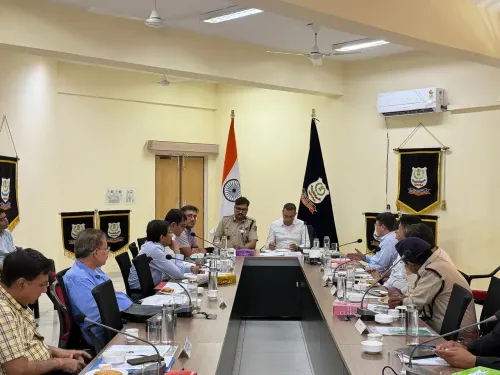
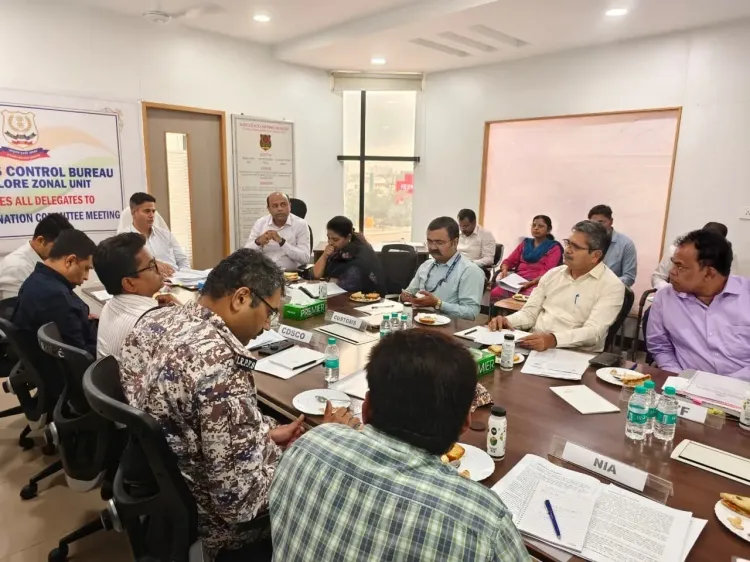
The Karnataka session was chaired by the NCB DDG (South Western Region) and included officers from DRI, ED, NIA, IB, RPF, CDSCO and state agencies.
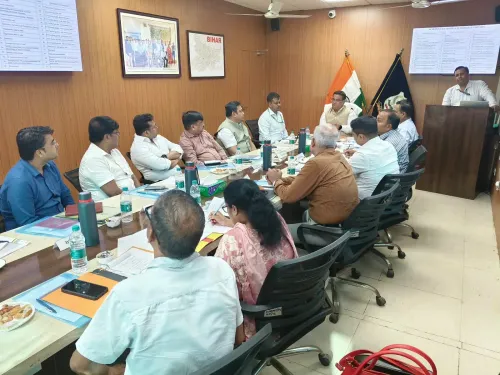
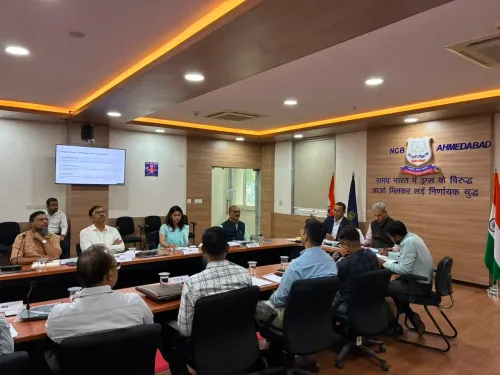
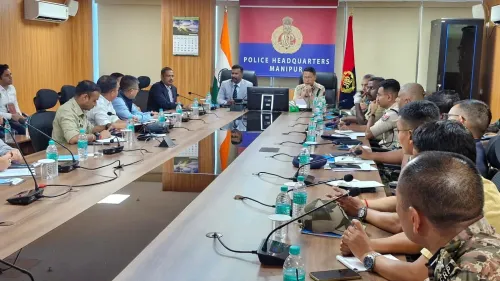
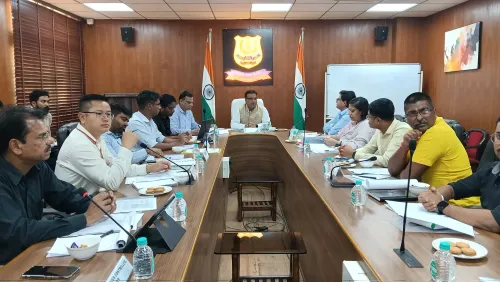
The Rajasthan session was jointly chaired by the NCB DDG (Western Region) and the IG, ANTF Rajasthan .
Officials in Jaipur reviewed 50 identified NDPS Act cases to ensure early disposal and expedite PIT-NDPS proposals.
Both meetings focused on the National Roadmap for Narcotics Control , financial investigations, precursor chemical monitoring, and fugitive identification.
Agencies reaffirmed commitment to a Drug-Free India and agreed to deepen inter-agency coordination.
The Narcotics Control Bureau (NCB) convened its quarterly State-Level Joint Coordination Committee (JCC) meetings simultaneously in Bengaluru and Jaipur on 19 July, bringing together senior officers from more than a dozen central and state agencies to sharpen the collective response to drug trafficking across Karnataka and Rajasthan.
Karnataka Meeting: Key Deliberations
The Bengaluru session was chaired by the NCB Deputy Director General (South Western Region) and drew senior representatives from the Directorate of Revenue Intelligence (DRI), Customs, Enforcement Directorate (ED), Intelligence Bureau (IB), National Investigation Agency (NIA), Income Tax Department, Railway Protection Force (RPF), Central Drugs Standard Control Organisation (CDSCO), State Anti-Narcotics Task Force (ANTF), Drug Control Department, and the Karnataka State Excise Department.
Officials focused on implementing the National Roadmap for Narcotics Control with a unified vision, tracking emerging drug trafficking trends, applying preventive detention provisions under the PIT-NDPS Act, advancing financial investigations, monitoring precursor chemicals, identifying fugitives, and strengthening intelligence-led enforcement operations.
Rajasthan Meeting: Parallel Push
The Jaipur session was jointly chaired by the NCB Deputy Director General (Western Region) and the Inspector General of the Anti-Narcotics Task Force (ANTF), Rajasthan. Participants included representatives from the NIA, DRI, Central Board of Indirect Taxes and Customs (CBIC), IB, Income Tax Department, Central Bureau of Narcotics (CBN), Ministry of Social Justice and Empowerment, and the Drug Controller's Office, among others.
The Rajasthan deliberations reviewed the Vision Document on Narcotics Control and examined emerging trafficking trends within the state. Officials also focused on monitoring 50 identified cases registered under the Narcotic Drugs and Psychotropic Substances (NDPS) Act to ensure their early disposal, expediting proposals under the PIT-NDPS Act, and dismantling organised drug networks through greater inter-agency coordination.
Shared Commitment to a Drug-Free India
Across both meetings, the participating agencies reaffirmed their collective commitment to the Drug-Free India vision. Officials agreed to deepen coordination among stakeholders and strengthen the unified response to narcotics trafficking at the state and national levels.
Notably, the simultaneous conduct of JCC meetings in two major states signals a coordinated national push to synchronise enforcement timelines and close intelligence gaps that drug networks have historically exploited across state borders.
What Comes Next
The outcomes of these JCC sessions are expected to translate into accelerated enforcement actions, faster disposal of pending NDPS cases, and tighter monitoring of precursor chemicals — substances used in the illicit manufacture of synthetic drugs, a growing concern for agencies. The next quarterly review will assess progress against the benchmarks set at these meetings.
Point of View
But the details inside them are not. Monitoring 50 specific NDPS cases for early disposal and pushing PIT-NDPS preventive detention proposals suggest the NCB is trying to fix two chronic weaknesses: case pendency and the bail-and-reoffend cycle. What these meetings rarely produce, however, is public accountability — there are no disclosed timelines, no case-closure targets, and no independent verification of outcomes. Until the NCB publishes quarterly enforcement scorecards against these stated goals, the JCC framework risks being a coordination ritual rather than a results machine.
NationPress
18 Oct 2026
Frequently Asked Questions
What is the NCB's Joint Coordination Committee (JCC) meeting?
The JCC is a quarterly state-level forum convened by the Narcotics Control Bureau to synchronise anti-drug enforcement across central and state agencies. It brings together bodies such as the NIA, DRI, ED, IB, Customs, and state anti-narcotics units to share intelligence and align enforcement strategy.
What was discussed at the Karnataka JCC meeting in Bengaluru?
The Bengaluru meeting, chaired by the NCB DDG (South Western Region), covered implementation of the National Roadmap for Narcotics Control, emerging trafficking trends, preventive detention under the PIT-NDPS Act, financial investigations, precursor chemical monitoring, and fugitive identification.
What is the PIT-NDPS Act and why does it matter?
The Prevention of Illicit Traffic in Narcotic Drugs and Psychotropic Substances (PIT-NDPS) Act allows authorities to detain individuals involved in drug trafficking without bail for up to one year. It is seen as a key tool to prevent repeat offenders from resuming operations while cases are pending in court.
What specific actions were discussed at the Rajasthan JCC meeting?
Officials in Jaipur reviewed 50 identified cases registered under the NDPS Act to ensure early disposal, discussed expediting PIT-NDPS proposals, and deliberated on dismantling organised drug networks through stronger inter-agency coordination and financial investigations.
Which agencies participated in these JCC meetings?
Participants across both meetings included the NIA, DRI, CBIC, ED, IB, Income Tax Department, CBN, RPF, CDSCO, Ministry of Social Justice and Empowerment, Drug Controller's Office, and respective state anti-narcotics and excise departments.