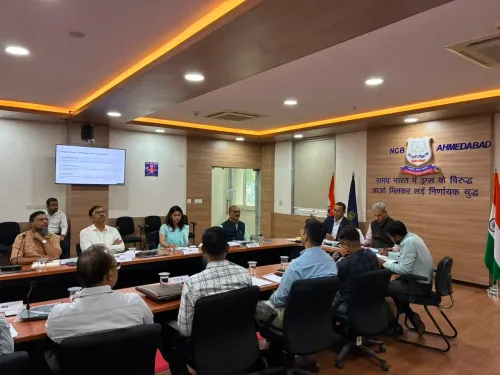
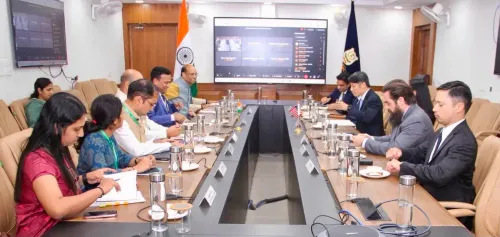
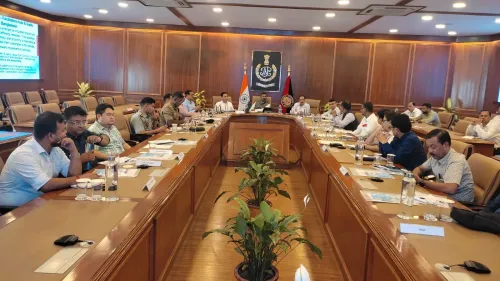
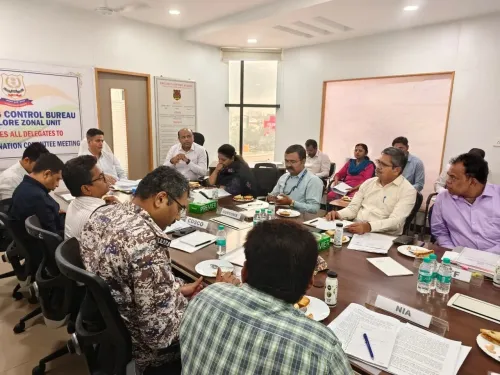
NCB holds multi-agency drug coordination meets in Bihar, Himachal, Tripura, Mizoram
Synopsis
The NCB gathered agencies from NIA and ED to BSF and state ANTFs across four states in a single week — a signal that India's counter-narcotics architecture is shifting toward tighter, real-time coordination. With pharma diversion and clandestine labs now on the JCC agenda alongside traditional trafficking cases, the threat profile is clearly widening.
Key Takeaways
The NCB held quarterly JCC meetings in Bihar , Tripura , Himachal Pradesh , and Mizoram during the week of 28 August 2026 .
Agencies including the NIA , ED , DRI , BSF , RPF , CISF , and state ANTFs participated in the deliberations.
Key agenda items included NDPS cases , PITNDPS , pharma diversion, the FINex , NIDAAN , and NATGRID portals, and fugitive tracking.
The NCB briefed agencies on Red Flag Indicators for identifying clandestine labs and the Vision Document on Narcotics Control .
A separate Gujarat JCC meeting earlier in August was chaired by NCB DDG Manish Kumar and co-chaired by IB Additional Director Rajiv Ahir .
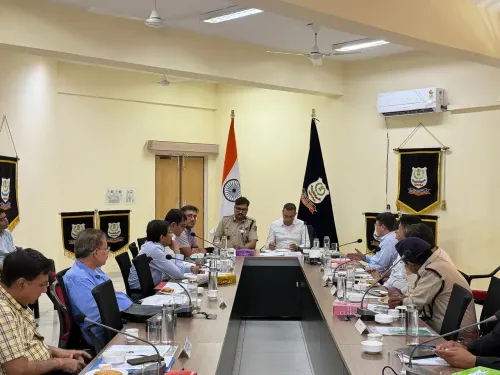
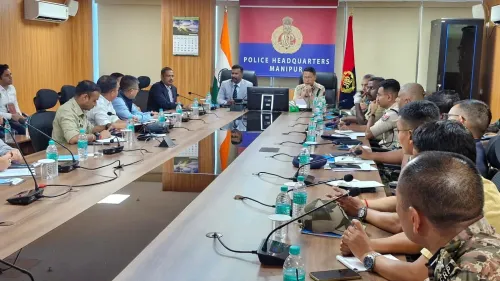
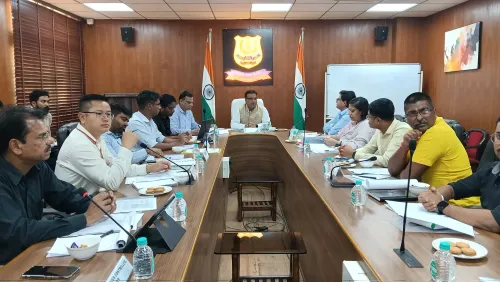
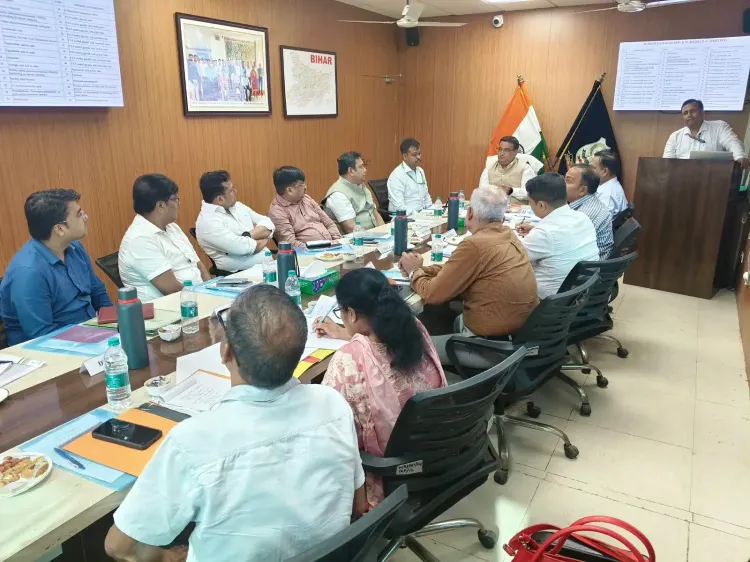
The Narcotics Control Bureau (NCB) convened its quarterly State-Level Joint Coordination Committee (JCC) meetings across Bihar, Tripura, Himachal Pradesh, and Mizoram during the week of 28 August 2026, bringing together multiple enforcement agencies to sharpen strategies against emerging narcotics threats, an official said on Friday. The NCB, which serves as the nodal coordination authority for drug law enforcement in India, steered the deliberations at all four venues.
Key Developments at the JCC Meetings
The four-state meetings provided a structured platform for detailed deliberations on intelligence sharing, financial investigations, and coordinated enforcement. Officials discussed key NDPS (Narcotic Drugs and Psychotropic Substances) cases, the PITNDPS (Prevention of Illicit Traffic in Narcotic Drugs and Psychotropic Substances) framework, and issues related to pharmaceutical diversion.
Agencies also reviewed the use of the FINex portal, the NIDAAN portal, and the NATGRID portal, and exchanged details on fugitives for necessary follow-up action, according to an official statement.
Agencies at the Table
The meetings witnessed active participation from representatives of the National Investigation Agency (NIA), Enforcement Directorate (ED), Directorate of Revenue Intelligence (DRI), Customs, Income Tax, Border Security Force (BSF), Railway Protection Force (RPF), Central Industrial Security Force (CISF), State Anti-Narcotics Task Forces (ANTFs), State Drug Controllers, State Intelligence Bureaus (SIBs), and other Drug Law Enforcement Agencies (DLEAs).
What the NCB Shared
The NCB used the platform to brief participating agencies on current drug trafficking trends and emerging challenges. Discussions emphasised the need for focused action against kingpins to dismantle trafficking networks, effective implementation of the Vision Document on Narcotics Control, and the use of Red Flag Indicators to identify clandestine drug laboratories.
Gujarat Meeting Earlier This Month
The four-state round followed a similar Second Quarter JCC meeting for Gujarat, held earlier in August. Manish Kumar, NCB Deputy Director General (Western Region), chaired that session, with Rajiv Ahir, Additional Director of the Intelligence Bureau, co-chairing. Agencies at the Gujarat meeting reviewed inter-state and inter-agency linkages, with participants reaffirming their commitment to collaborative action against organised narcotics networks.
At the Gujarat session, the NCB presented two significant NDPS cases, covering modus operandi, interstate linkages, and areas requiring coordinated action. The DRI separately presented an important NDPS case, with discussions covering trafficking patterns and inter-agency coordination requirements.
What Comes Next
The JCC mechanism is part of the NCB's broader quarterly calendar designed to keep enforcement agencies aligned on evolving drug threats. With pharma diversion and clandestine labs flagged as growing concerns, the next round of meetings is expected to build on the intelligence shared this quarter.
Point of View
Yet it rarely gets scrutiny commensurate with its scope. Bringing NIA, ED, DRI, BSF, and state ANTFs into the same room quarterly is structurally sound — but the real test is what happens between meetings. Pharma diversion and clandestine labs on the agenda suggest the threat is no longer just border-trafficking; it has moved inland and into licensed supply chains. Whether the FINex and NATGRID portals are being used to their full potential, or remain underutilised by state agencies with capacity gaps, is a question the JCC readouts do not answer.
NationPress
12 Oct 2026
Frequently Asked Questions
What is the NCB's State-Level Joint Coordination Committee (JCC) meeting?
The JCC is a quarterly multi-agency forum convened by the Narcotics Control Bureau to align enforcement agencies on drug trafficking threats, intelligence sharing, and coordinated action. It brings together central and state agencies including the NIA, ED, DRI, BSF, and state ANTFs under one platform.
Which states hosted NCB JCC meetings in August 2026?
The NCB held JCC meetings in Bihar, Tripura, Himachal Pradesh, and Mizoram during the week of 28 August 2026. A separate Gujarat JCC meeting was also held earlier in August.
What issues were discussed at the JCC meetings?
Discussions covered key NDPS cases, PITNDPS, pharmaceutical diversion, the use of the FINex, NIDAAN, and NATGRID portals, fugitive tracking, and Red Flag Indicators to identify clandestine drug laboratories. The need to target kingpins to dismantle trafficking networks was also emphasised.
Who chaired the Gujarat JCC meeting?
Manish Kumar, NCB Deputy Director General (Western Region), chaired the Gujarat meeting, with Rajiv Ahir, Additional Director of the Intelligence Bureau, serving as co-chair. The meeting reviewed inter-state linkages and two significant NDPS cases presented by the NCB and one by the DRI.
Why are these JCC meetings significant?
The meetings are significant because they synchronise India's fragmented drug enforcement architecture — spanning central investigative agencies, paramilitary forces, customs, tax authorities, and state units — around shared intelligence and case leads. The inclusion of pharma diversion and clandestine lab detection on the agenda signals an evolving and more complex narcotics threat landscape.