NCB, Goa Police hold 2nd JCC meet 2026 to combat drug trafficking
Synopsis
At Panaji's 2nd JCC meeting for 2026, the NCB and Goa Police pulled together eight agencies — from Customs to the ED — to tackle drone-assisted smuggling, crypto money laundering, and prison-based drug networks. With Maharashtra now fielding 56 NDPS Master Trainers after back-to-back ToT programmes, India's western coastal drug enforcement is quietly building serious institutional muscle.
Key Takeaways
Sanap and Goa Police IG K.R.
Chaurasia co-chaired the 2nd JCC meeting for Goa Zone on 8 August 2026 in Panaji .
Eight agencies attended, including Customs, DRI, ED, IB, FDA , and police from Goa, Maharashtra, and Karnataka .
Agenda covered drone-based smuggling , cryptocurrency-linked money laundering , prison drug networks , and trafficking via postal channels and Goa Airport .
Sale of Tapentadol (Tydol) without prescriptions was flagged for tighter FDA enforcement.
26 Maharashtra Police officers trained as NDPS Master Trainers in July 2026; the state now has a pool of 56 Master Trainers .
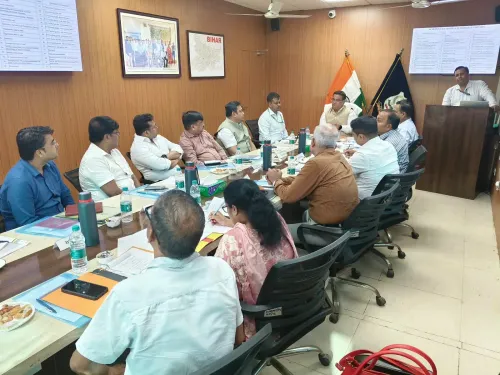
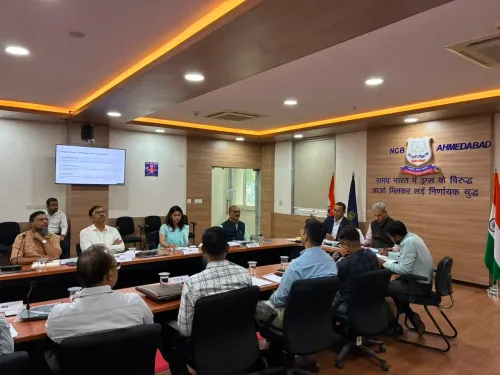
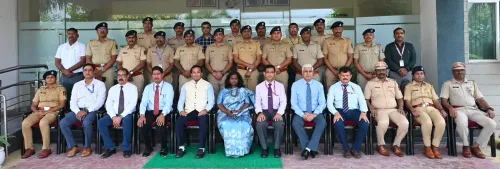
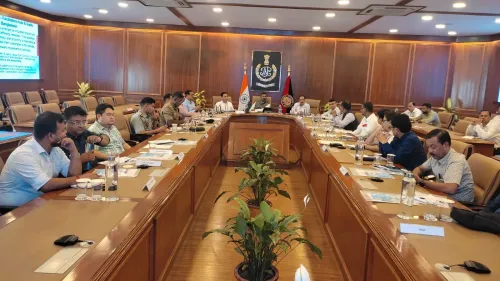
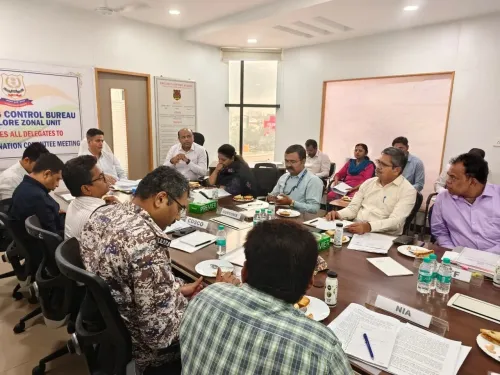
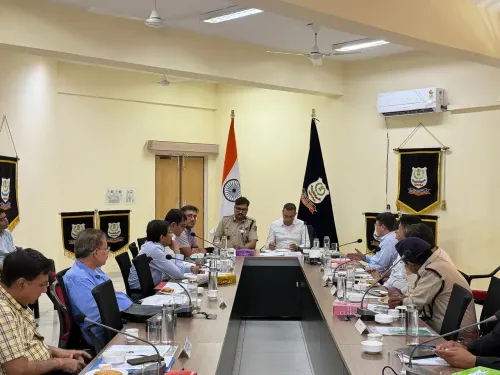
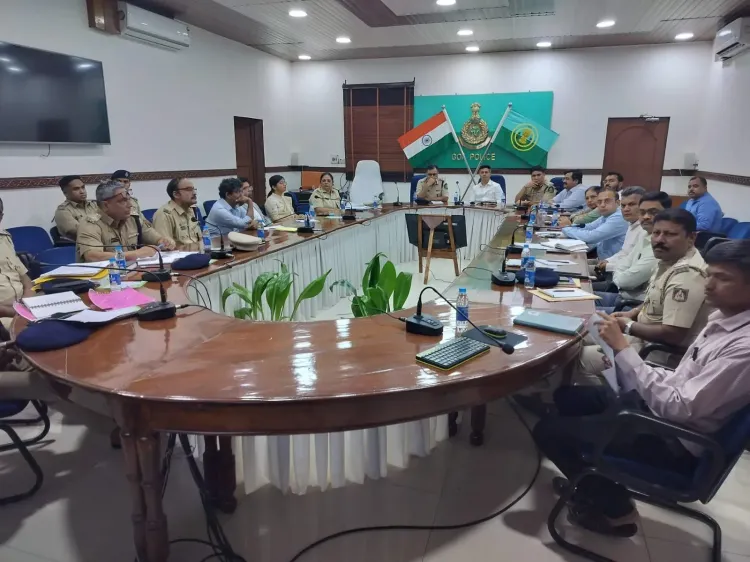
The Narcotics Control Bureau (NCB) and Goa Police on Saturday, 8 August 2026, co-chaired the 2nd Joint Coordination Committee (JCC) meeting for Goa Zone in Panaji, bringing together senior officers from across multiple law enforcement agencies to sharpen the collective response to organised drug trafficking. The meeting was co-chaired by Vishal M. Sanap, Deputy Director General (South Western Region), NCB, and K.R. Chaurasia, Inspector General of Goa Police.
Agencies at the Table
The meeting drew senior representatives from Goa Police, Customs, the Directorate of Revenue Intelligence (DRI), the Enforcement Directorate (ED), the Intelligence Bureau (IB), the Department of Posts, the Food and Drug Administration (FDA), and police units from Maharashtra and Karnataka. The breadth of representation signals a deliberate effort to close the inter-agency gaps that organised narcotics networks routinely exploit.
Key Issues on the Agenda
Discussions centred on NCB's Vision Document (2026–2029) and a range of emerging threats: trafficking trends, prison-based drug distribution, the use of drones to smuggle contraband, and cryptocurrency-linked money laundering. Agencies also reviewed seizures at Goa Airport and trafficking through postal channels — a route that has drawn increased scrutiny nationally.
The meeting further deliberated on strengthening financial investigations in intermediate-quantity cases, invoking the PITNDPS Act against habitual offenders, timely sharing of actionable intelligence, joint interrogation protocols, and identifying clandestine drug laboratories through Red Flag Indicators (RFI).
Prescription Drug Abuse in Focus
A notable addition to the agenda was the issue of Tapentadol (Tydol) and other prescription medicines being sold without valid prescriptions. The FDA was specifically consulted on measures to tighten enforcement, reflecting a broader national concern about the diversion of regulated opioids into illicit channels.
The meeting also discussed withdrawal of prosecution and deportation of foreign nationals in appropriate cases, according to an official statement.
Maharashtra Police Capacity Building
Separately, the NCB disclosed the completion of a second Training of Trainers (ToT) Programme conducted from 27 to 31 July 2026 in collaboration with BPR&D–CDTI, Ghaziabad, in Uttar Pradesh. The five-day course trained 26 Maharashtra Police officers of the rank of Inspectors and above as Master Trainers in NDPS Act enforcement.
In a post on X, the NCB stated: 'Building on the success of the first Training of Trainers (ToT) Programme conducted from 20–24 April 2026, NCB, in collaboration with BPR&D–CDTI, Ghaziabad, successfully organised the second 5-day ToT Programme from 27–31 July 2026 for Maharashtra Police officers.' With both programmes now complete, Maharashtra Police has a pool of 56 Master Trainers to drive NDPS enforcement capacity across the state.
As cross-border trafficking networks grow more sophisticated — blending digital payments, aerial smuggling, and prescription drug diversion — the JCC framework is emerging as a critical operational spine for India's western coastal drug enforcement architecture.
Point of View
Crypto, postal parcels, and prescription opioid diversion are not fringe tactics anymore, they are the mainstream playbook. What is notable is the FDA's seat at the table: the Tapentadol problem signals that the line between regulated pharmaceuticals and street narcotics is blurring in ways that traditional enforcement structures were not designed to handle. The 56 Master Trainers milestone for Maharashtra is genuinely useful capacity-building, but the real test is whether that training translates into consistent NDPS prosecutions — or remains a headline number. Inter-agency meetings produce commitments; convictions produce deterrence.
NationPress
23 Sept 2026
Frequently Asked Questions
What was the 2nd JCC meeting for Goa Zone in 2026 about?
The 2nd Joint Coordination Committee (JCC) meeting for Goa Zone, held on 8 August 2026 in Panaji, focused on strengthening inter-agency coordination to combat organised drug trafficking. Key topics included drone-based smuggling, cryptocurrency money laundering, prison drug networks, and trafficking through postal channels and Goa Airport.
Which agencies participated in the NCB Goa Zone JCC meeting?
Senior officers from Goa Police, Customs, DRI, ED, IB, the Department of Posts, FDA, and police units from Maharashtra and Karnataka all attended the meeting, co-chaired by NCB's Deputy Director General Vishal M. Sanap and Goa Police IG K.R. Chaurasia.
What is the PITNDPS Act and why was it discussed?
The Prevention of Illicit Traffic in Narcotic Drugs and Psychotropic Substances (PITNDPS) Act allows for preventive detention of habitual drug offenders. The JCC discussed its more effective use as a deterrent against repeat traffickers who evade standard prosecution.
Why was Tapentadol flagged at the Goa drug coordination meeting?
Tapentadol (brand name Tydol) is a regulated opioid painkiller that is reportedly being sold without valid prescriptions in Goa, raising concerns about its diversion into illicit use. The FDA was consulted on enforcement measures to curb such over-the-counter sales.
How many NDPS Master Trainers does Maharashtra Police now have?
Maharashtra Police now has a pool of 56 Master Trainers in NDPS Act enforcement, following the completion of two Training of Trainers (ToT) programmes — the first held from 20–24 April 2026 and the second from 27–31 July 2026, both conducted in Ghaziabad in collaboration with BPR&D–CDTI.