NCB's Assam JCC meet targets drug networks with multi-agency push
Synopsis
With 38 teams, 38 simultaneous searches across three North-eastern states under Operation Trident and now a 13-district SP-level debrief in Guwahati, the NCB is signalling a shift from piecemeal drug busts to sustained network dismantling in India's most porous border region — and the quarterly JCC mechanism is the institutional spine holding it together.
Key Takeaways
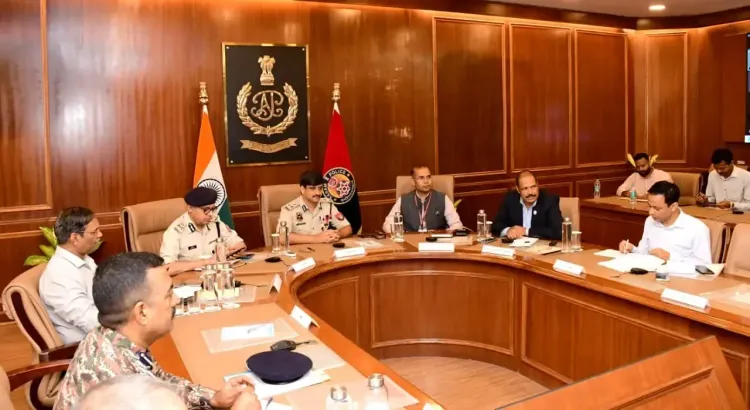
The NCB chaired the third Quarterly JCC meeting for Assam at Police Headquarters, Guwahati on 7 November .
The session was chaired by NCB DDG (North Eastern Region) R.
Sudhakar with SPs from 13 sensitive districts of Assam present.
Operation Trident — a joint NCB-ED-Mizoram Police operation — deployed 38 teams across 38 locations in three North-eastern states.
Agencies represented included NIA, ED, DRI, BSF, CRPF, SSB, RPF, Customs, Income Tax, SIB and the State ANTF .
Digital tools including the NIDAN Portal , NATGRID and FIU inputs were deliberated upon for intelligence and investigation use.
A parallel Rajasthan JCC meeting in Jaipur last month focused on opium diversion, repeat offenders on bail, and targets under the Vision Document on Narcotics Control (2026–29) .
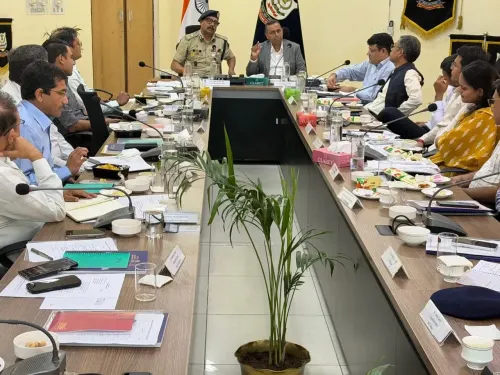
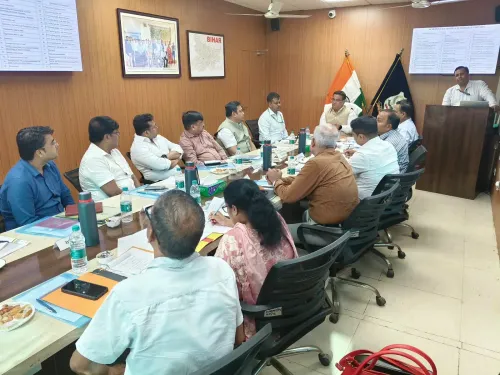
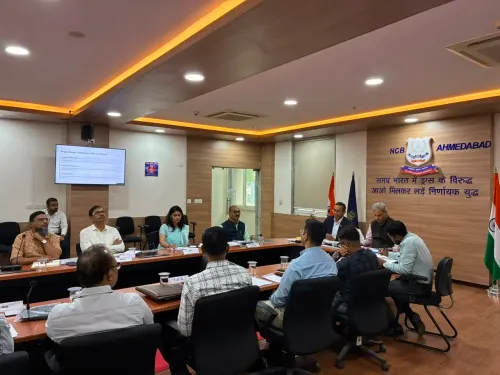
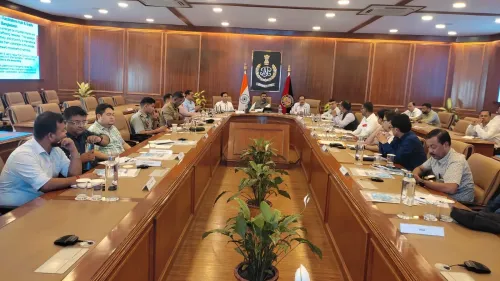
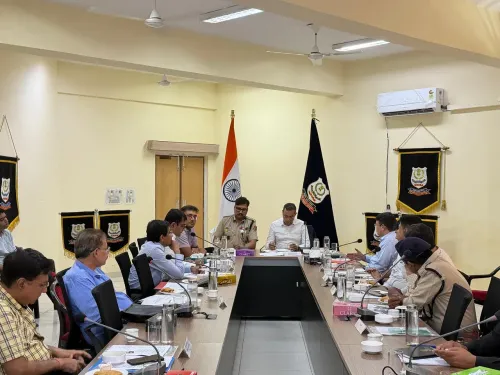
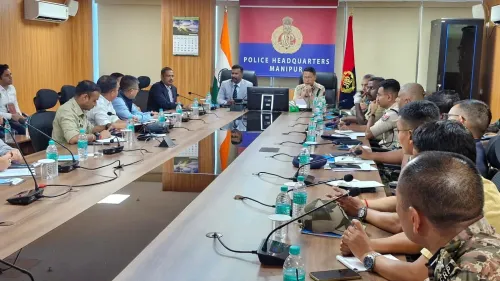
The Narcotics Control Bureau (NCB) convened the third Quarterly State-Level Joint Co-ordination Committee (JCC) meeting for Assam at Police Headquarters, Guwahati, bringing together officials from over a dozen central and state enforcement agencies to sharpen collective strategies against drug trafficking. The meeting, held on Saturday, 7 November, placed particular emphasis on a network-centric approach aimed at dismantling entire trafficking chains rather than targeting individual couriers.
Key Developments at the Guwahati Meet
The session was chaired by NCB Deputy Director General (North Eastern Region) R. Sudhakar. According to an NCB official's post on social media platform X, the meeting was convened to 'further strengthen inter-agency coordination and enhance collective efforts to effectively address emerging narcotics threats.'
Discussions covered Assam's current narcotics scenario, emerging trafficking routes, operational challenges, and significant cases registered under the Narcotic Drugs and Psychotropic Substances (NDPS) Act. Superintendents of Police from 13 sensitive districts of Assam participated, sharing district-specific trends and ground-level enforcement challenges.
Technology and Intelligence Tools in Focus
A notable aspect of the deliberations was the push to maximise the use of digital intelligence infrastructure. Officials discussed the effective utilisation of the NIDAN Portal, NATGRID, and inputs from the Financial Intelligence Unit (FIU) for intelligence development and investigation purposes.
The achievements of Operation Trident — a joint operation involving the NCB, the Enforcement Directorate (ED), and Mizoram Police — were also highlighted. The operation deployed 38 teams conducting simultaneous searches across 38 locations in three North-eastern states, underscoring the scale of coordinated enforcement now being pursued in the region.
Agencies Represented
The breadth of participation reflected the multi-agency character of India's counter-narcotics framework. Representatives from the National Investigation Agency (NIA), ED, Directorate of Revenue Intelligence (DRI), Border Security Force (BSF), Central Reserve Police Force (CRPF), Sashastra Seema Bal (SSB), Railway Protection Force (RPF), Customs, Income Tax, Special Intelligence Branch (SIB), and the State Anti-Narcotics Task Force (ANTF), among others, attended the meeting.
Rajasthan JCC: A Parallel Effort
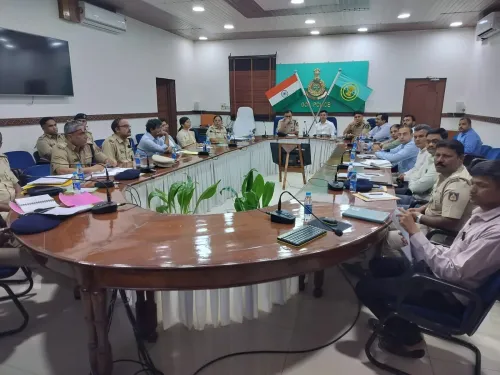
The Assam meeting follows a similar exercise held the previous month for Rajasthan in Jaipur, where the NCB's third Quarter State-level JCC Meeting of 2026 was jointly chaired by the DDG, NCB (Western Region) and Inspector General, ANTF Rajasthan. That session focused on reviewing significant NDPS cases, monitoring bail granted to repeat offenders, curbing illicit diversion of opium and poppy straw, and assessing the status of de-addiction centres.
Emphasis in Jaipur was also placed on dismantling drug trafficking cartels through joint interrogations and expediting enforcement measures aligned with targets set under the Vision Document on Narcotics Control (2026–29).
Broader Significance
The North-east remains a critical pressure point in India's drug-trafficking map, given its porous international borders with Myanmar and proximity to the Golden Triangle — one of the world's largest opium-producing regions. The JCC mechanism, held quarterly across states, is designed to prevent siloed enforcement and ensure that financial investigation keeps pace with seizures. The collective reaffirmation at Guwahati of seamless intelligence sharing and coordinated enforcement signals an intent to move beyond headline seizures toward sustained network disruption, in line with the government's stated vision of a 'Nasha Mukt Bharat' (Drug-Free India).
The next quarterly cycle of JCC meetings across states is expected to assess progress on targets set at this round of sessions.
Point of View
Multi-agency, district-level granular — but its real value lies in what happens between meetings, not during them. Operation Trident's 38-location sweep is a headline win, yet the North-east's trafficking problem is defined by its regenerative networks, not individual nodes. The emphasis on NATGRID and FIU inputs is the more consequential signal: financial investigation has historically lagged seizure-led enforcement in India, and closing that gap is what actually collapses trafficking organisations. Whether the Vision Document's 2026–29 targets translate into measurable network disruption — rather than seizure tonnage — will be the real test of this coordination architecture.
NationPress
7 Nov 2026
Frequently Asked Questions
What was discussed at the NCB's Assam JCC meeting in Guwahati?
The meeting focused on Assam's narcotics scenario, emerging trafficking routes, operational challenges, and significant NDPS cases, with a network-centric approach to dismantling drug trafficking networks. Officials also deliberated on using digital tools such as the NIDAN Portal, NATGRID, and FIU inputs for intelligence and investigation.
What is Operation Trident and what did it achieve?
Operation Trident is a joint operation by the NCB, Enforcement Directorate, and Mizoram Police that deployed 38 teams to conduct simultaneous searches at 38 locations across three North-eastern states. Its achievements were highlighted at the Guwahati JCC meeting as a model for coordinated enforcement in the region.
Which agencies participated in the Assam JCC meeting?
Participants included officials from the NIA, ED, DRI, BSF, CRPF, SSB, RPF, Customs, Income Tax, SIB, and the State ANTF, alongside Superintendents of Police from 13 sensitive districts of Assam.
What is the JCC mechanism and why does it matter for drug control?
The Quarterly State-Level Joint Co-ordination Committee (JCC) is an NCB-led forum that brings together central and state enforcement agencies to align strategies, share intelligence, and review NDPS cases. It is designed to prevent siloed enforcement and ensure financial investigations complement seizure operations.
How does the Assam meeting connect to the broader national anti-narcotics effort?
It is part of a nationwide quarterly JCC cycle; a similar meeting was held for Rajasthan in Jaipur the previous month. Both sessions are aligned with the Vision Document on Narcotics Control (2026–29), which sets enforcement targets in pursuit of the government's 'Nasha Mukt Bharat' goal.